Why Clover Lawns Are the Eco-Friendly Choice for Arvada Residents


The Rise of Clover Lawns
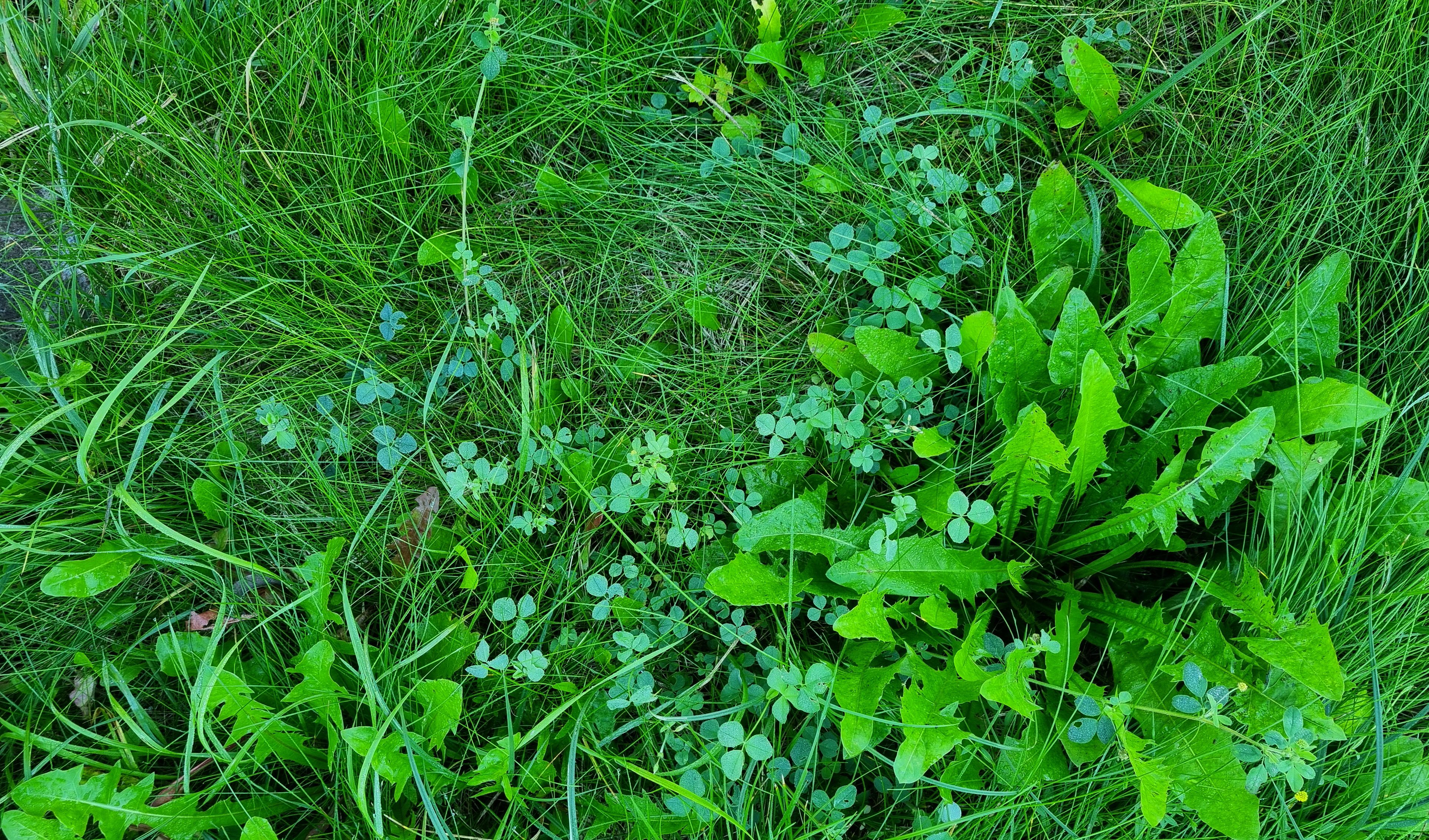
In recent years, many homeowners in Arvada have been considering eco-friendly alternatives to traditional grass lawns. One such option gaining popularity is the clover lawn. Clover, particularly white clover, offers numerous benefits that make it an ideal choice for those looking to reduce their environmental impact while maintaining a lush green space.
Environmental Benefits of Clover Lawns
Clover lawns are highly beneficial for the environment. Unlike traditional grass, clover requires less water, making it a sustainable choice in regions prone to drought. Additionally, clover is a natural nitrogen fixer, which means it enriches the soil by converting nitrogen from the air into a form plants can absorb. This reduces the need for chemical fertilizers, helping to maintain healthier soil and groundwater.
Moreover, clover is a hardy plant that is resistant to pests, reducing the need for pesticides. By choosing clover, Arvada residents can contribute to a healthier ecosystem, supporting local wildlife and promoting biodiversity.
Cost-Effectiveness and Low Maintenance
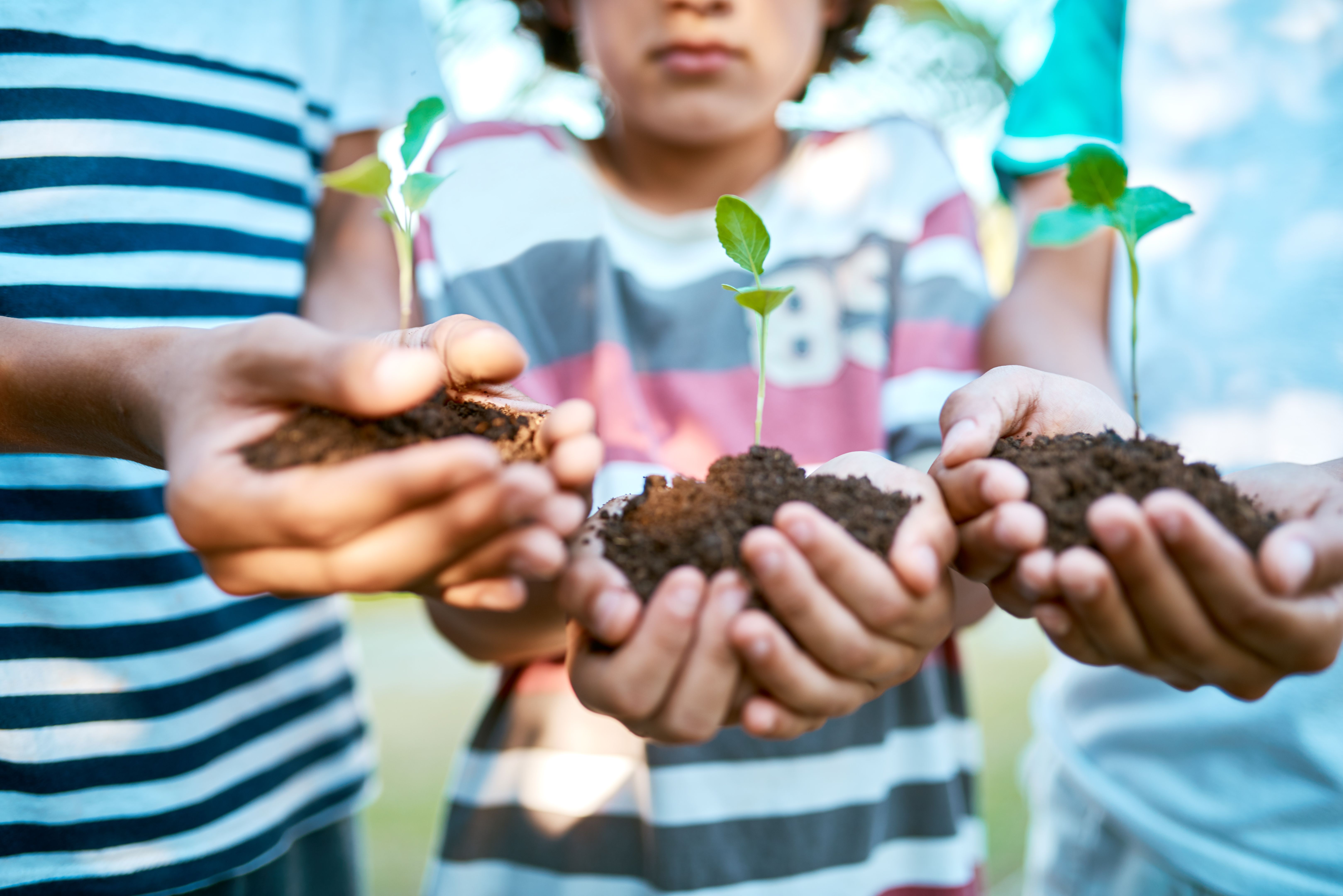
One of the most appealing aspects of clover lawns is their cost-effectiveness. Clover seeds are generally less expensive than grass seeds, and the reduced need for water, fertilizers, and pesticides translates to long-term savings. Additionally, clover lawns require less frequent mowing, saving time and energy for homeowners.
For those who prefer a more natural and less manicured look, clover provides a beautiful, even cover that stays green throughout the growing season. This low-maintenance option is perfect for busy families and individuals who want a beautiful lawn without the hassle of constant upkeep.
Creating a Pollinator-Friendly Habitat
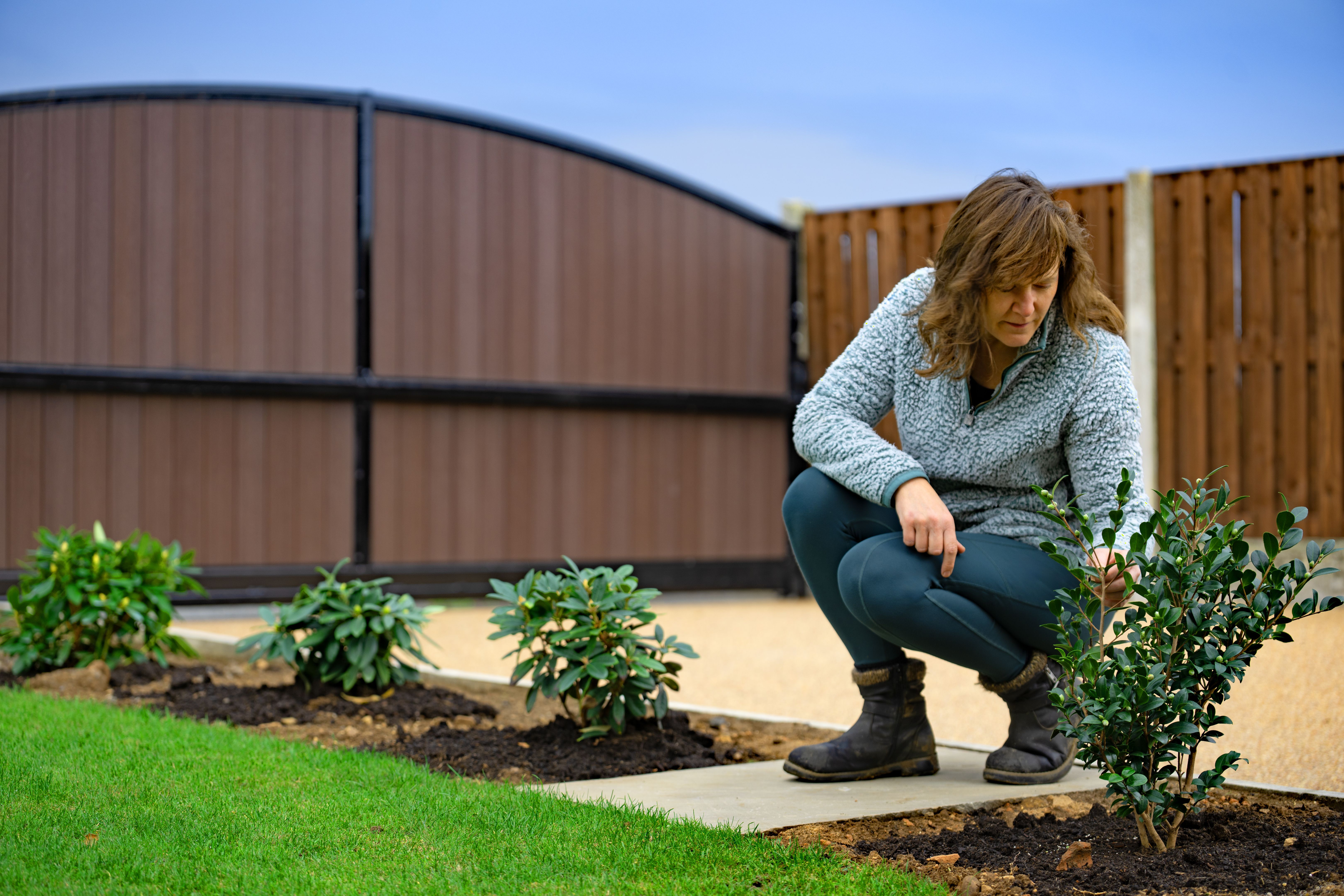
Clover lawns are not only beneficial for the environment and wallet but also support local pollinators. Bees and butterflies are attracted to clover flowers, which provide a vital source of nectar. By planting clover, Arvada residents can create a welcoming habitat for these important creatures, contributing to the health of local ecosystems.
Encouraging pollinators in your garden can have additional benefits, such as improving the yield of fruit and vegetable plants. This makes clover lawns an excellent choice for those interested in sustainable gardening practices.
How to Transition to a Clover Lawn
Transitioning to a clover lawn is a straightforward process. Start by choosing the right type of clover for your area, with white clover being the most common choice in Arvada. Prepare your existing lawn by mowing it short and raking away debris. Then, simply scatter clover seeds evenly across the area and water lightly until the seeds germinate.
Once established, clover will naturally integrate with any remaining grass, creating a mixed lawn that offers the best of both worlds. For those who wish to replace grass entirely, overseeding with clover every few years will help maintain a thick, healthy lawn.
Conclusion
For Arvada residents looking to make a positive environmental impact, clover lawns offer an attractive, low-maintenance, and eco-friendly alternative to traditional grass. By choosing clover, homeowners can enjoy a beautiful green space while conserving water, reducing chemical use, and supporting local ecosystems. Transitioning to a clover lawn is a simple yet impactful step towards a more sustainable future.