Weed Control for Clover Grass Areas: Best Practices


Understanding Clover Grass
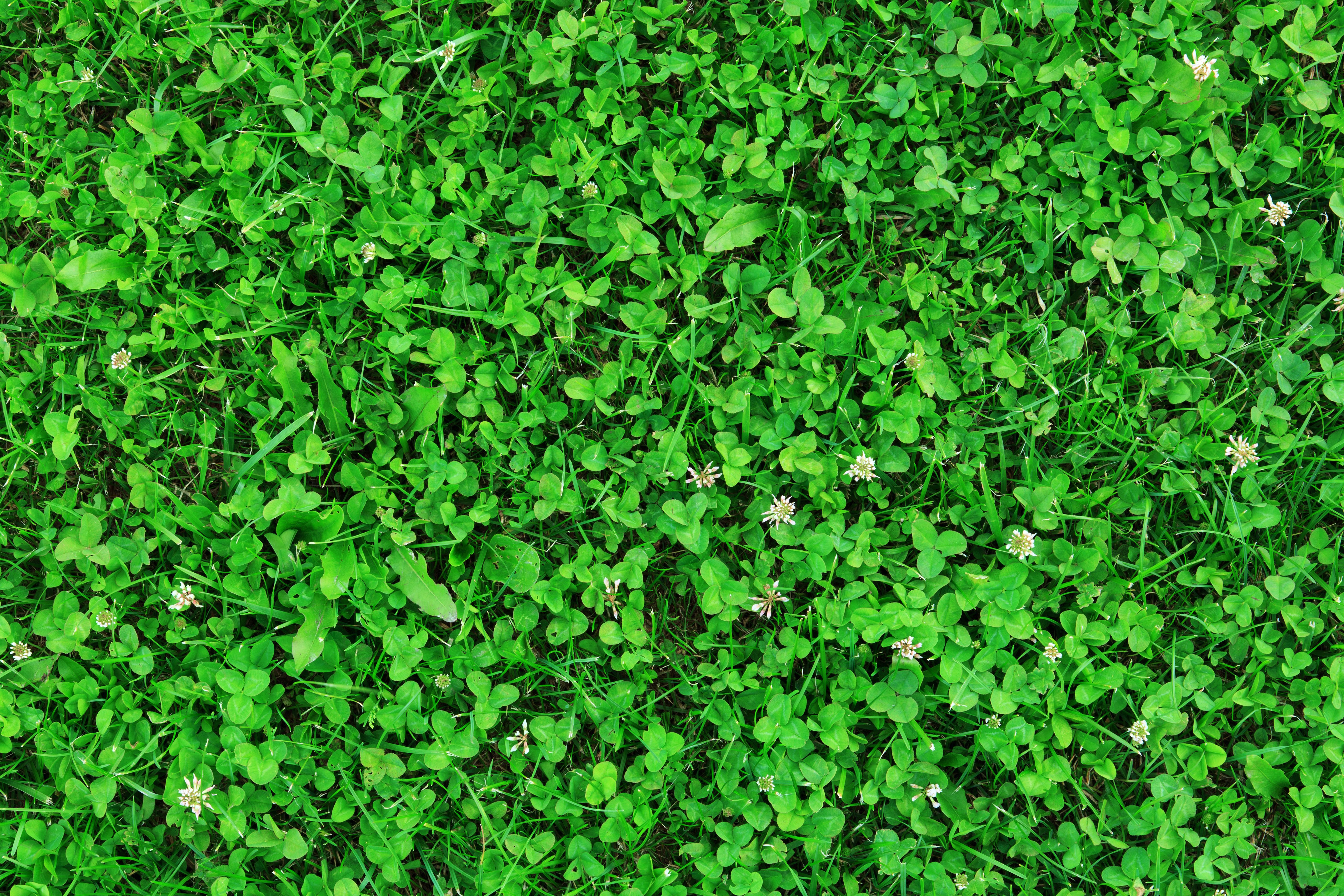
Clover grass is a popular choice for lawns due to its lush appearance and low maintenance needs. However, managing weeds in these areas can be challenging. Clover is resilient and can coexist with other plants, but certain weeds can become invasive, disrupting the balance. To maintain a healthy clover lawn, effective weed control practices are essential.
Importance of Regular Lawn Maintenance
Regular maintenance is the cornerstone of effective weed control. This includes mowing, watering, and fertilizing. By keeping clover grass at the right height, you can prevent weeds from getting the sunlight they need to thrive. Regular watering ensures that your lawn remains healthy, which naturally suppresses weed growth.
Fertilization is equally important. Clover has the ability to fix nitrogen, which reduces the need for additional fertilizers. However, a balanced approach with organic or slow-release fertilizers can enhance the overall health of your lawn.
Identifying Common Weeds
Before implementing control measures, it's crucial to identify the types of weeds present. Common weeds in clover grass areas include dandelions, crabgrass, and chickweed. Recognizing these weeds early allows for targeted control, minimizing their impact on your lawn.
Effective Weed Control Methods
Manual Removal Techniques
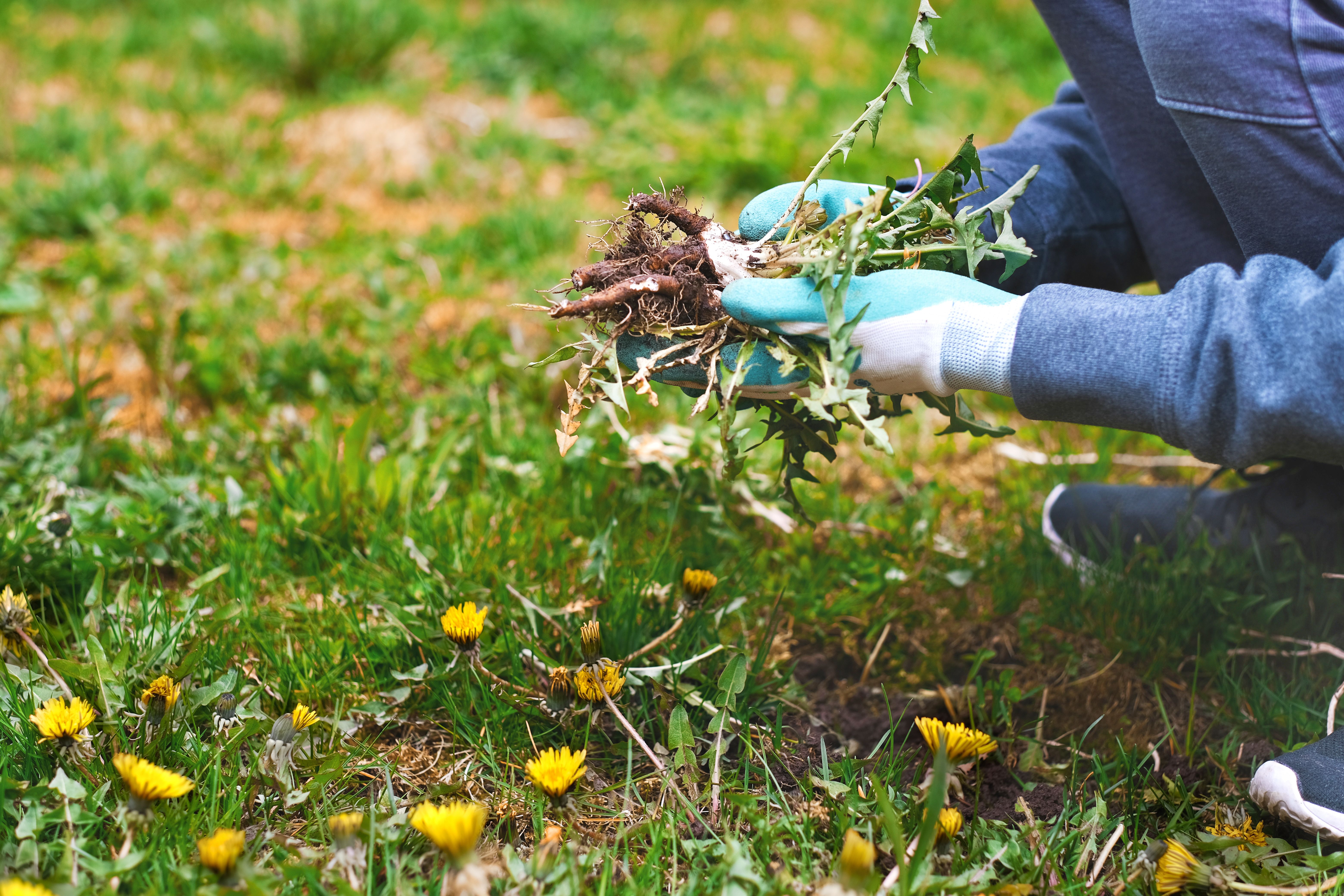
Manual removal is an effective way to manage weeds without harming your clover grass. This involves hand-pulling or using tools like weed pullers. Focus on removing the entire root to prevent regrowth. This method is particularly useful for isolated weed patches.
Natural and Chemical Weed Control
For larger infestations, consider natural or chemical weed control methods. Organic options, such as vinegar or corn gluten meal, can be effective against certain weeds without harming clover. When using chemical herbicides, choose products specifically designed for clover grass to avoid damage.
Preventive Measures
Prevention is always better than cure. Implementing preventive measures can drastically reduce weed emergence. This includes overseeding your lawn with clover to create a dense turf that suppresses weeds. Additionally, aerating your lawn improves soil health, making it less hospitable to weeds.
Regularly inspect your lawn for early signs of weed growth. Catching weeds early enables you to take swift action, preventing them from spreading and establishing roots.
Conclusion
Maintaining a clover grass area free of weeds requires diligence and the right strategies. By combining regular maintenance, effective removal techniques, and preventive measures, you can enjoy a beautiful, lush clover lawn. Remember that each lawn is unique, so it may take some experimentation to find the best practices that suit your specific needs.