Understanding the Aesthetic Appeal of Clover Lawns: A Unique Landscape Solution


The Rise of Clover Lawns
As homeowners and landscapers seek more sustainable and visually appealing alternatives to traditional grass lawns, clover lawns have emerged as an innovative and eco-friendly solution. These lawns offer a unique aesthetic that combines beauty with practicality, making them increasingly popular among environmentally conscious individuals.
Benefits of Clover Lawns
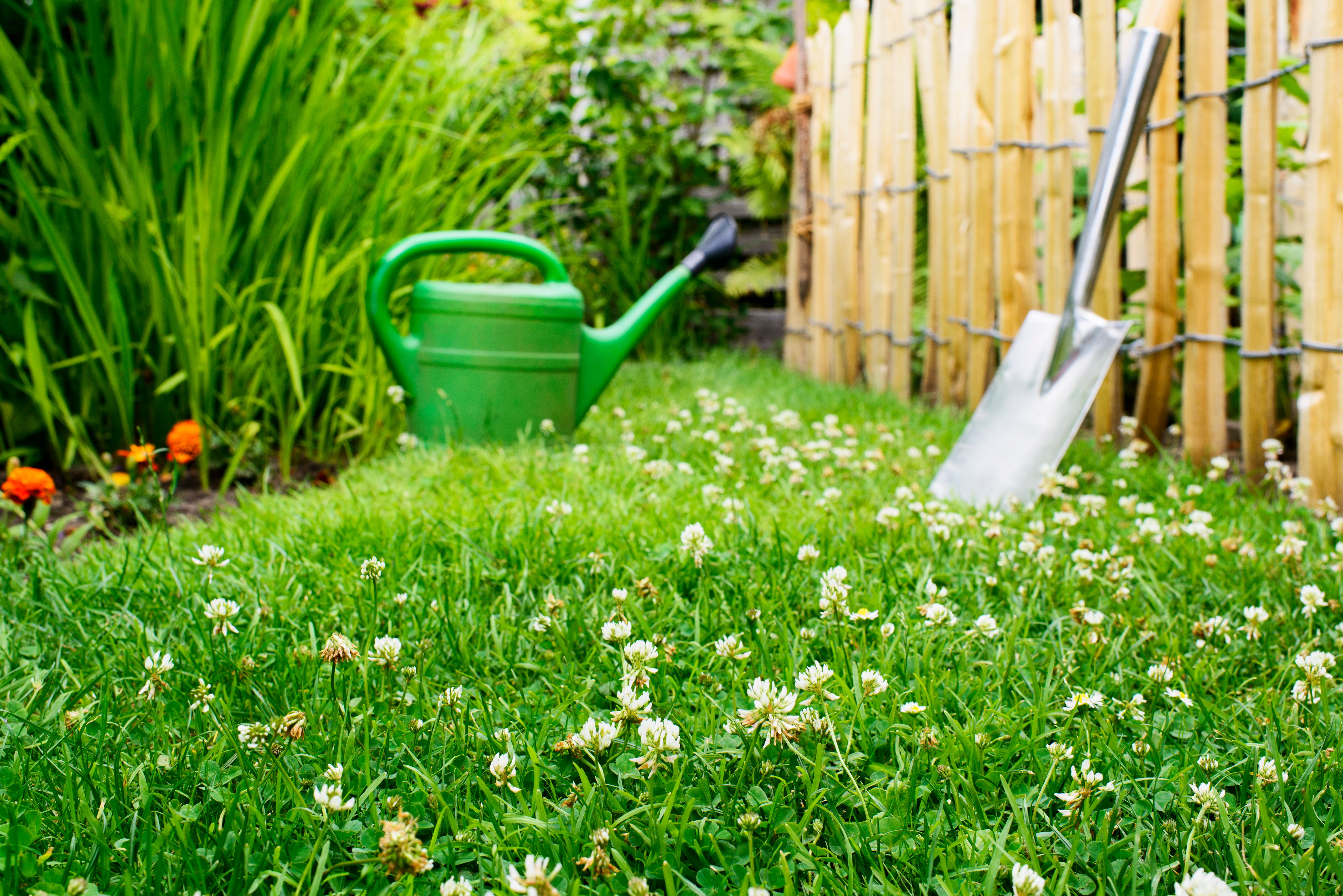
Clover lawns provide a multitude of benefits that make them an attractive choice for modern landscapes. One of the most significant advantages is their low maintenance requirements. Unlike traditional grass lawns, clover lawns require less mowing, watering, and fertilizing, saving both time and resources.
Additionally, clover is naturally resistant to pests and diseases, reducing the need for chemical treatments. This makes clover lawns not only environmentally friendly but also safer for children and pets.
The Aesthetic Appeal
Clover lawns offer a rich, lush green color that remains vibrant throughout the growing season. Their dense growth pattern and small white or pink flowers add a charming, whimsical touch to any landscape. This visual appeal can enhance the overall look of your outdoor space, creating a picturesque setting.
Variety and Versatility
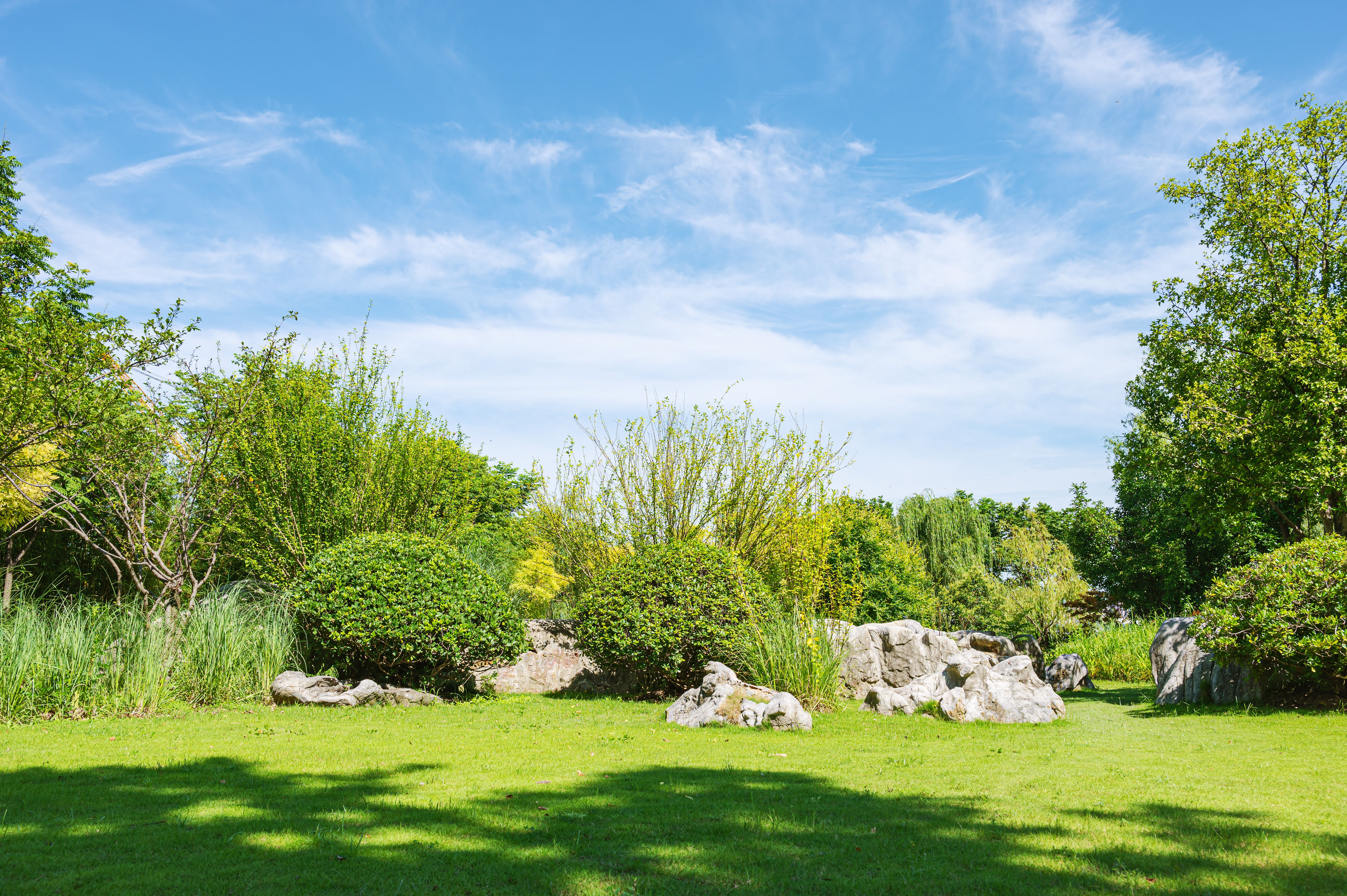
There are several types of clover to choose from, each offering its unique aesthetic qualities. White clover is a popular option due to its resilience and low-growing habit. Red clover, although taller, provides striking blooms that can add color and texture to your lawn.
Clover can also be mixed with traditional grass to create a hybrid lawn, combining the best attributes of both. This versatility allows homeowners to customize their landscape to meet specific needs and preferences.
Sustainability and Environmental Impact
Clover lawns contribute to sustainability by improving soil health. Clover is a nitrogen-fixing plant, meaning it naturally enriches the soil by converting atmospheric nitrogen into a form that plants can use. This reduces the need for synthetic fertilizers, promoting healthier soil and reducing environmental impact.

Implementing Clover Lawns
Transitioning to a clover lawn can be a straightforward process. Start by choosing the right type of clover for your climate and soil conditions. Prepare the soil by removing existing grass and weeds, then sow the clover seeds evenly. Water the area regularly until the clover is established.
Once established, clover lawns require minimal upkeep. Occasional mowing and watering during dry spells will help maintain their appearance, but the overall effort is significantly less than that required for traditional lawns.
Conclusion
Clover lawns offer a unique blend of aesthetic appeal, sustainability, and practicality. They are an excellent choice for those looking to create a beautiful, eco-friendly landscape that requires less maintenance. By embracing clover lawns, homeowners can enjoy a vibrant, lush outdoor space while contributing positively to the environment.