Transform Your Lawn: The Step-by-Step Guide to Clover Lawn Conversion


Are you tired of the constant maintenance your traditional grass lawn demands? If so, a clover lawn conversion might be the perfect solution. Clover lawns not only require less upkeep but also offer environmental benefits and a lush, green appearance. This guide will walk you through the process of transforming your lawn into a beautiful clover oasis.
Why Choose a Clover Lawn?
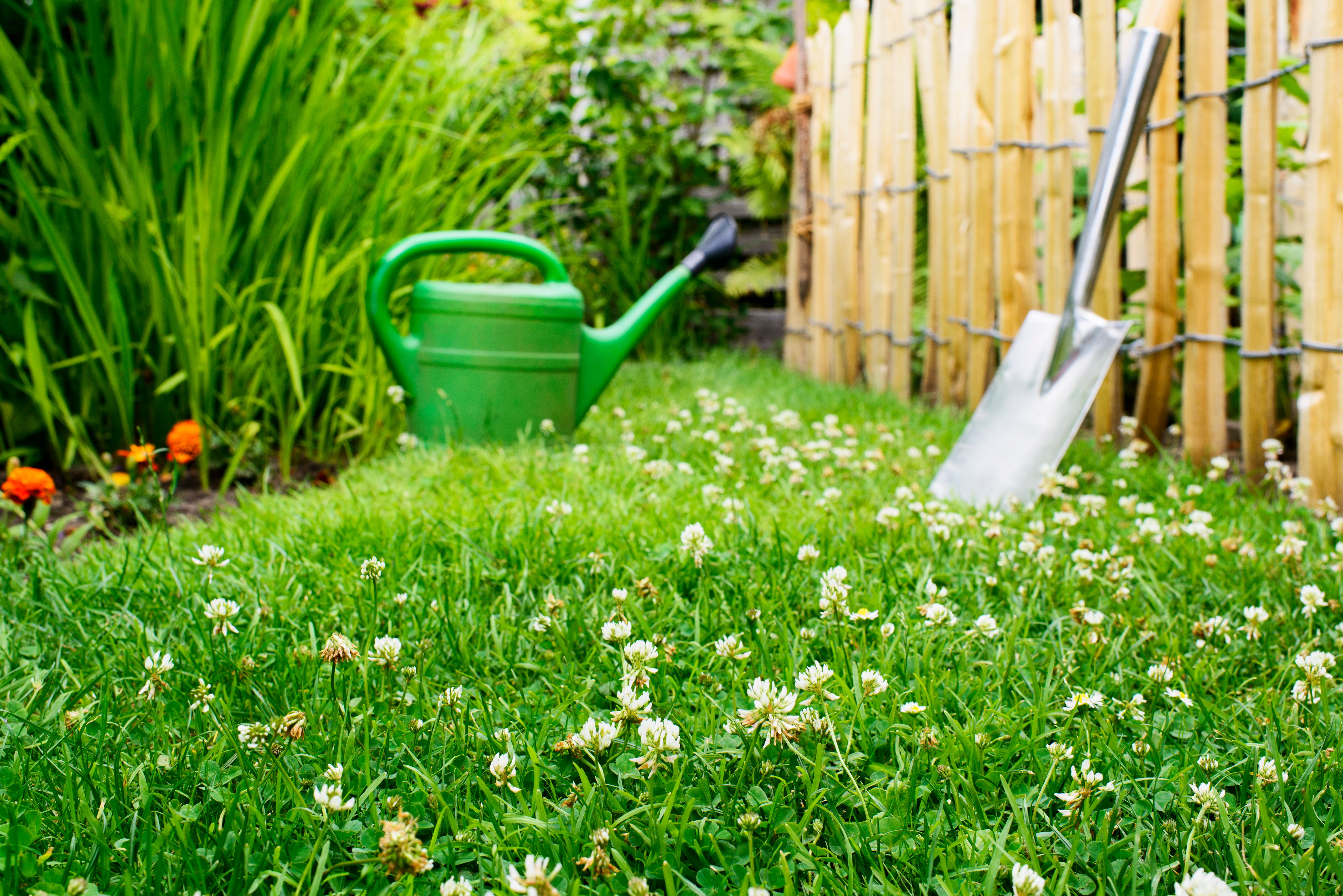
Clover lawns are gaining popularity for several reasons. First, clover is drought-tolerant and requires less water than traditional grass. Second, it naturally fertilizes the soil by fixing nitrogen, reducing the need for chemical fertilizers. Lastly, clover lawns attract beneficial insects like bees and butterflies, promoting biodiversity in your garden.
Types of Clover to Consider
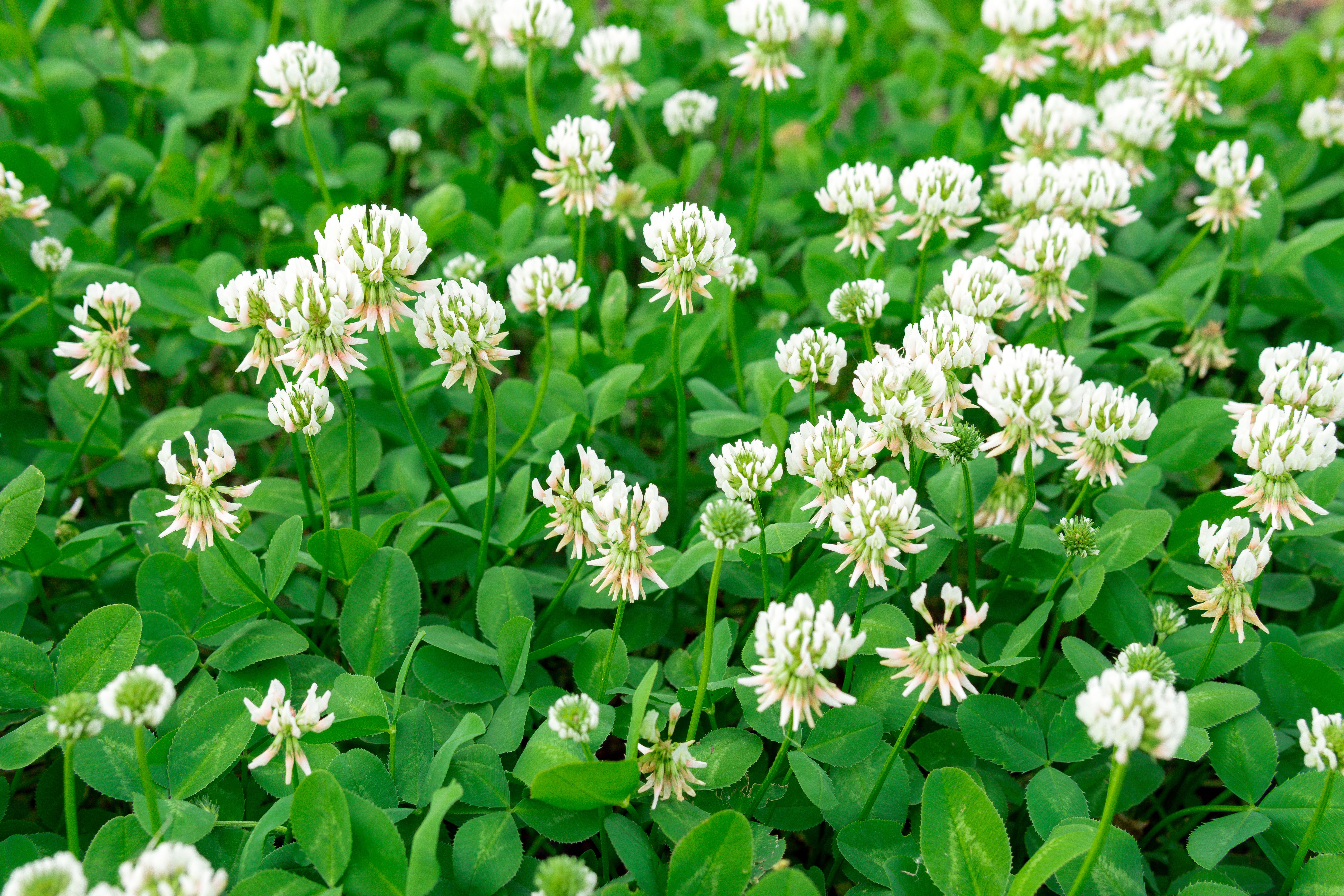
There are a few varieties of clover you can choose from, depending on your preferences and climate. The most common type is white clover, which is hardy and low-growing. Microclover, a smaller variety, is ideal for those who prefer a finer texture. Consider your local climate and lawn conditions when selecting the type of clover for your conversion.
Preparing Your Lawn for Conversion
Before planting clover, it's crucial to prepare your lawn properly. Start by removing existing grass and weeds. This can be done by smothering with a tarp or using an herbicide. Once the area is clear, test your soil's pH level. Clover thrives in slightly acidic to neutral soil (pH 6-7), so adjust the soil accordingly with lime or sulfur.
Planting Clover
Once your lawn is prepared, it's time to plant your clover seeds. Follow these steps for successful planting:
- Choose a day when rain is expected, as clover seeds need moisture to germinate.
- Scatter the seeds evenly across the lawn. A seed spreader can help with larger areas.
- Lightly rake the seeds into the soil to ensure good contact.
- Water the area gently to help the seeds settle.

Maintaining Your Clover Lawn
Once your clover lawn is established, maintenance is minimal. Clover requires less frequent mowing than traditional grass. Mow to a height of about 3 inches to keep it healthy and discourage weeds. Water your clover lawn during prolonged dry spells, but generally, it needs less irrigation than grass.
Addressing Common Issues
While clover lawns are low-maintenance, you may encounter a few common issues:
- Weed invasion: Regular mowing and maintaining a thick clover cover can help prevent weeds.
- Pests: Clover attracts beneficial insects, but if pests become a problem, consider natural remedies like neem oil.
Conclusion
Transforming your lawn into a clover haven is a rewarding process with numerous benefits. Not only will you enjoy a lush, green landscape with less effort, but you'll also contribute positively to the environment. Start your clover lawn conversion today and experience the beauty and practicality of this sustainable choice.