Top Myths About Clover Lawns Debunked: What You Need to Know


Myth 1: Clover Lawns Are High Maintenance
One of the most common misconceptions about clover lawns is that they require excessive maintenance. In reality, clover is quite low-maintenance compared to traditional grass lawns. It requires less frequent mowing and can thrive in poor soil conditions where other plants might struggle.
Clover also has the unique ability to fix nitrogen from the air, reducing the need for additional fertilization. This makes it an eco-friendly option for homeowners looking to minimize their environmental footprint.
Myth 2: Clover Attracts Pests
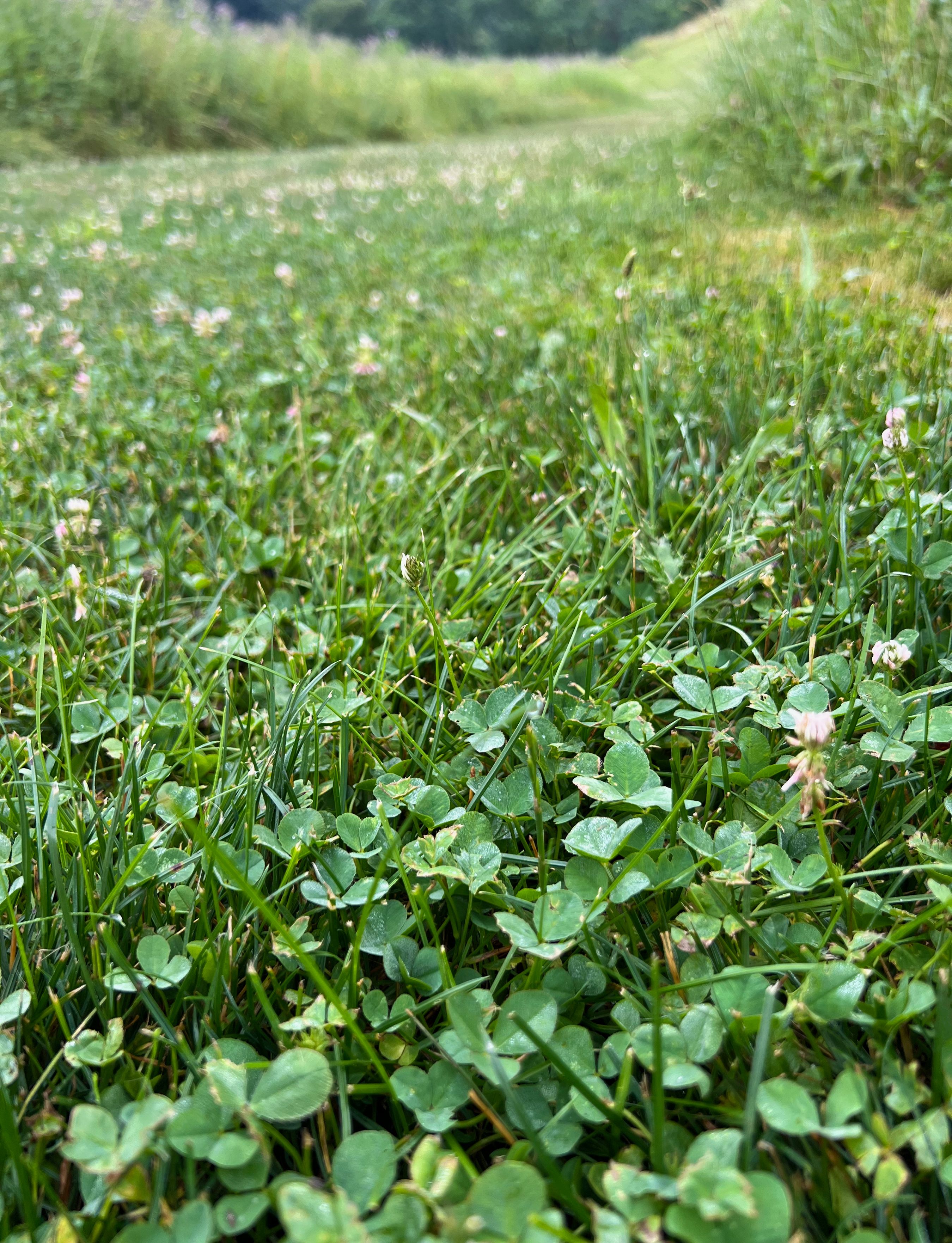
A prevalent myth is that clover lawns attract pests, but this couldn’t be further from the truth. Clover actually repels certain pests. For example, white clover contains a natural compound that deters aphids, a common garden pest.
Additionally, clover can attract beneficial insects, such as bees, which help pollinate other plants in your garden. This creates a balanced ecosystem and promotes biodiversity in your yard.
Myth 3: Clover Lawns Are Not Durable
Some people believe that clover lawns are not as durable as grass lawns. However, clover is remarkably resilient and can withstand foot traffic quite well. In fact, clover’s dense growth pattern helps it recover quickly from wear and tear.
While it may not be as robust as certain grass species in high-traffic areas, it’s an excellent choice for lawns that receive moderate use. Its soft texture also makes it comfortable for walking, adding to its appeal as a lawn alternative.
Myth 4: Clover Lawns Look Unkempt
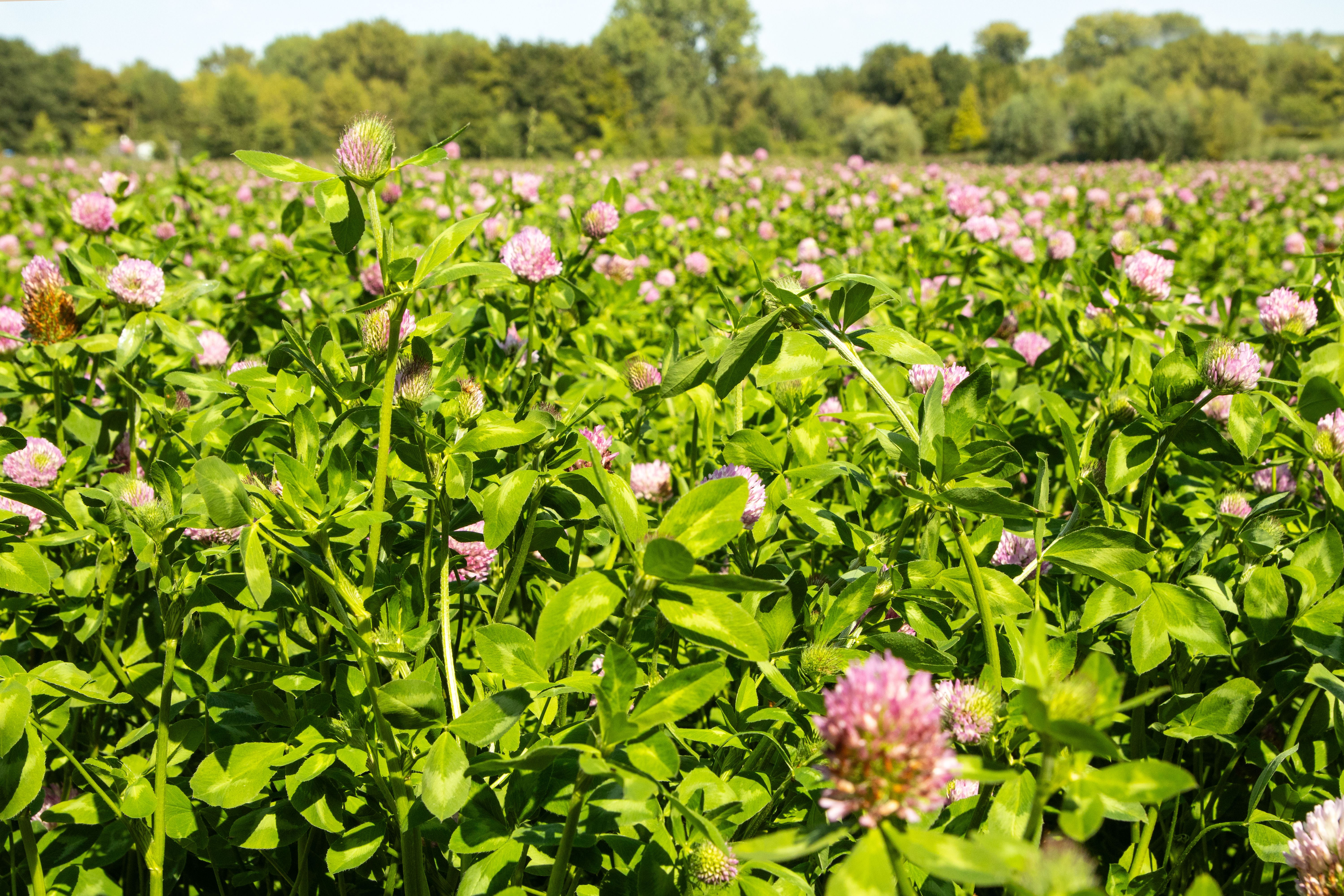
Another myth is that clover lawns appear messy or unkempt. In truth, clover can create a lush, uniform carpet of green that many find aesthetically pleasing. Its small, white flowers add a charming touch, especially in the spring and early summer.
Additionally, because clover remains green even in drought conditions, it can maintain its appearance better than grass during dry spells. This makes it a visually appealing option for those in areas prone to water shortages.
Benefits of Choosing Clover
Beyond debunking myths, there are numerous benefits to choosing clover for your lawn. Clover is drought-resistant, making it ideal for areas with water restrictions. It’s also a cost-effective choice since it requires less water, mowing, and fertilization.
For environmentally-conscious homeowners, clover lawns offer a sustainable alternative that supports local ecosystems and reduces chemical usage. With these advantages, it’s no wonder clover is gaining popularity as a viable lawn option.

Conclusion
Understanding the truth behind these common clover lawn myths can help homeowners make informed decisions about their landscaping choices. With its low maintenance, pest-repelling properties, and aesthetic appeal, clover is an excellent alternative to traditional grass lawns.
By considering clover, you can enjoy a beautiful, sustainable lawn that aligns with your environmental values. Whether you’re looking to save on water bills or simply want a lush, green lawn, clover might just be the perfect fit for your home.