The Ultimate Guide to Eco-Friendly Clover Lawns: Benefits and Installation Tips


Introduction to Eco-Friendly Clover Lawns
As environmental consciousness grows, homeowners are seeking sustainable alternatives for their gardens. One such option is the clover lawn, a green and eco-friendly choice that offers numerous benefits. In this guide, we'll explore the advantages of clover lawns and provide tips on how to install and maintain them.
Benefits of Clover Lawns
Eco-Friendly and Sustainable
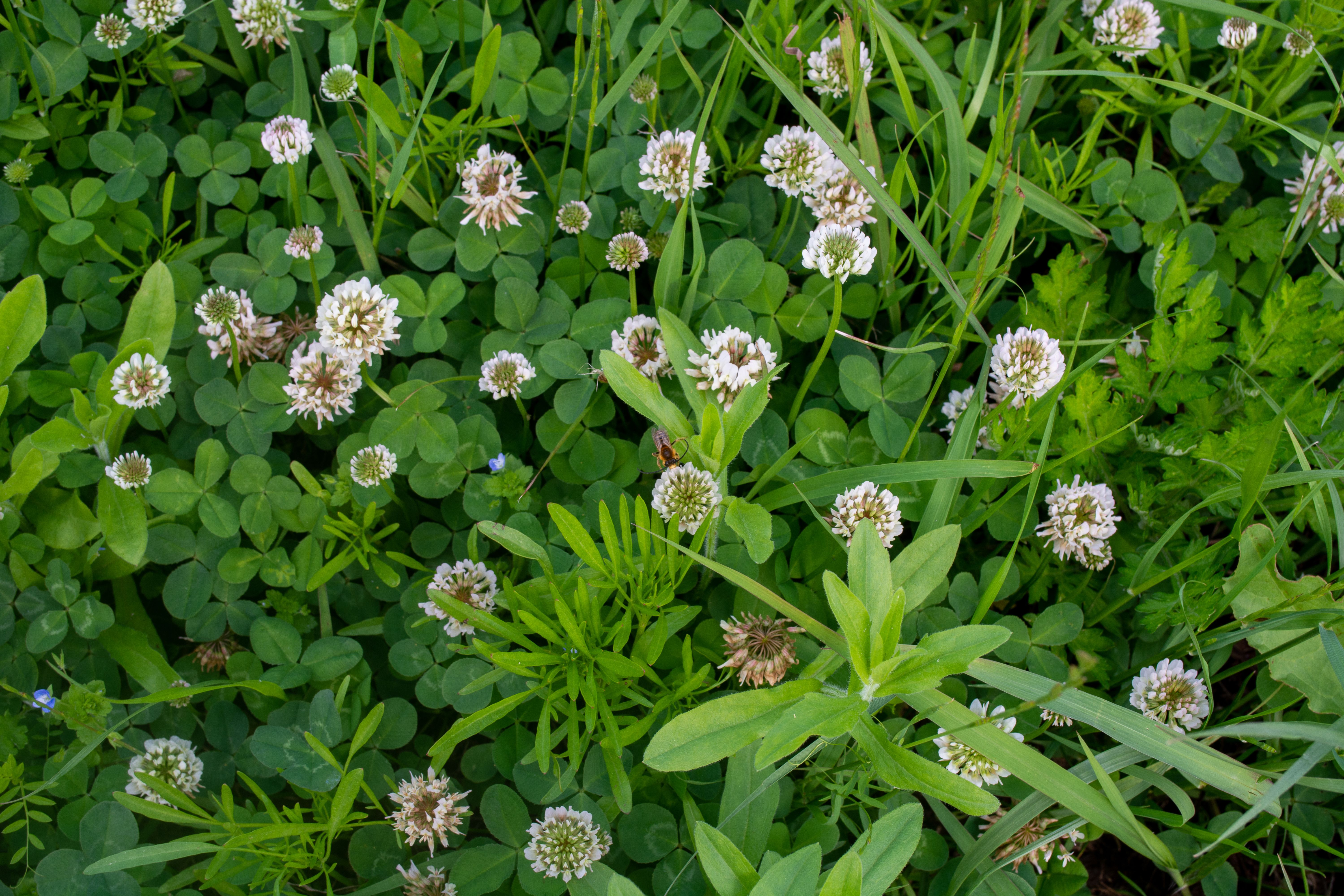
Clover lawns are environmentally friendly because they require less water and no fertilizers. Clover is a natural nitrogen fixer, which means it enriches the soil by converting atmospheric nitrogen into a usable form. This reduces the need for chemical fertilizers, benefiting the environment and your wallet.
Low Maintenance
One of the most appealing aspects of clover lawns is their low maintenance. Clover grows quickly and densely, which suppresses weeds and reduces the need for mowing. Additionally, clover is drought-resistant, meaning it stays green even during dry spells.

Attracts Pollinators
Clover flowers are a favorite among bees and butterflies, making your lawn a haven for pollinators. By choosing a clover lawn, you're contributing to the preservation of these important species, which are essential for the pollination of many plants and crops.
Installation Tips for Clover Lawns
Preparing the Soil
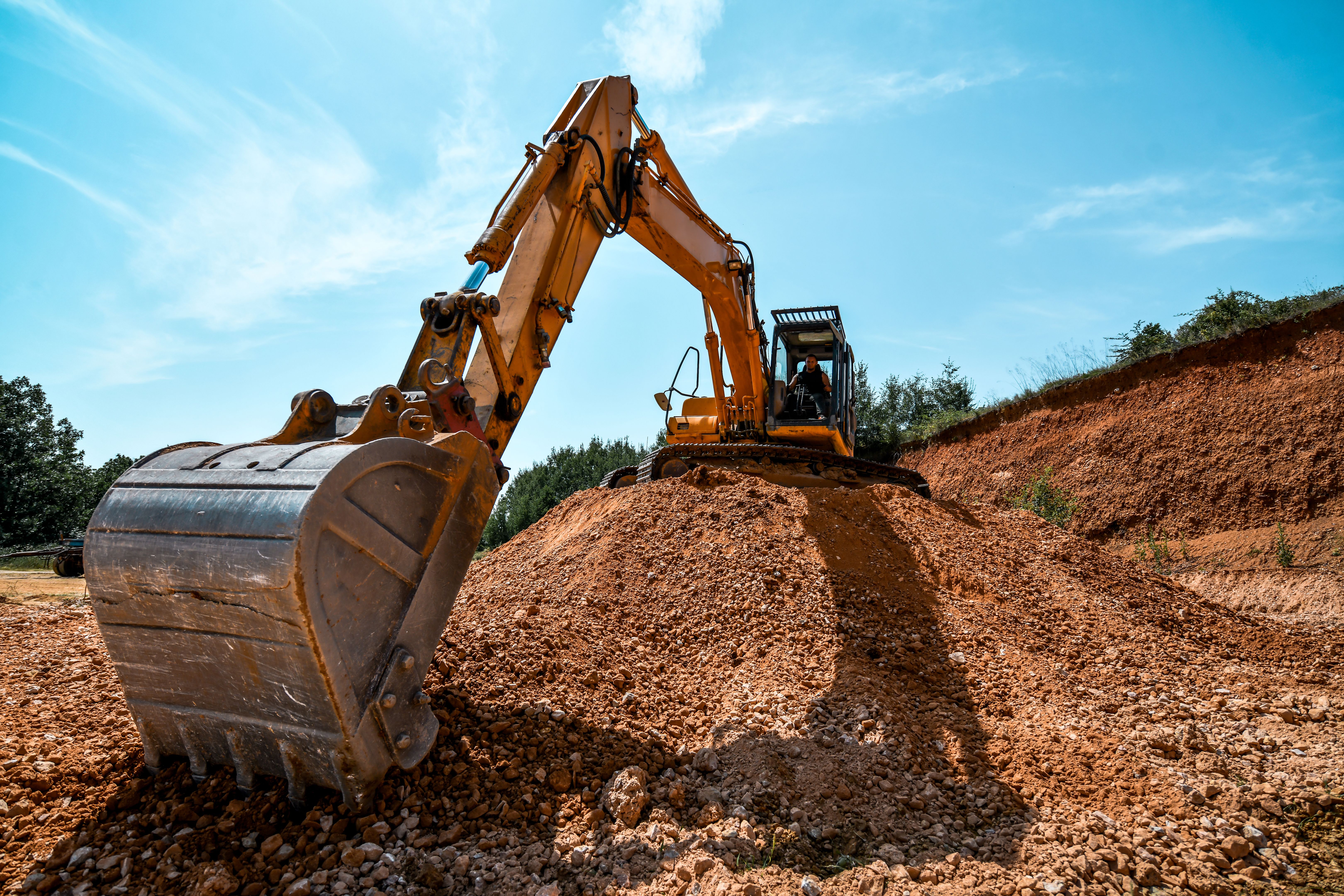
Before planting clover, it's crucial to prepare the soil properly. Start by removing existing grass and weeds. Use a garden tiller to loosen the soil, ensuring it's well-aerated. Clover thrives in soil that's slightly acidic, so a pH test can help determine if any adjustments are needed.
Sowing the Seeds
Choose a clover variety that's suitable for your climate. Common choices include white clover and micro clover. Sow the seeds evenly across the prepared soil and lightly rake them in. Water the area gently to help the seeds settle and promote germination.
Maintaining Your Clover Lawn
Once established, clover lawns require minimal care. Water occasionally during dry periods, and mow only as needed to maintain desired height. Clover is resilient and will bounce back quickly. Consider overseeding every few years to maintain density.

Conclusion
Transforming your yard with a clover lawn is a step towards a more sustainable and eco-friendly lifestyle. With its myriad benefits, including low maintenance and support for pollinators, clover is an excellent alternative to traditional grass lawns. By following these installation tips, you can enjoy a lush, green space that's both beautiful and beneficial to the environment.