The Rising Popularity of Clover Lawns: A Sustainable Trend


In recent years, clover lawns have garnered significant attention as an eco-friendly alternative to traditional grass lawns. With increasing awareness about sustainability and environmental conservation, homeowners are seeking greener solutions for their outdoor spaces. Clover lawns are emerging as a popular choice due to their myriad benefits.
What Are Clover Lawns?
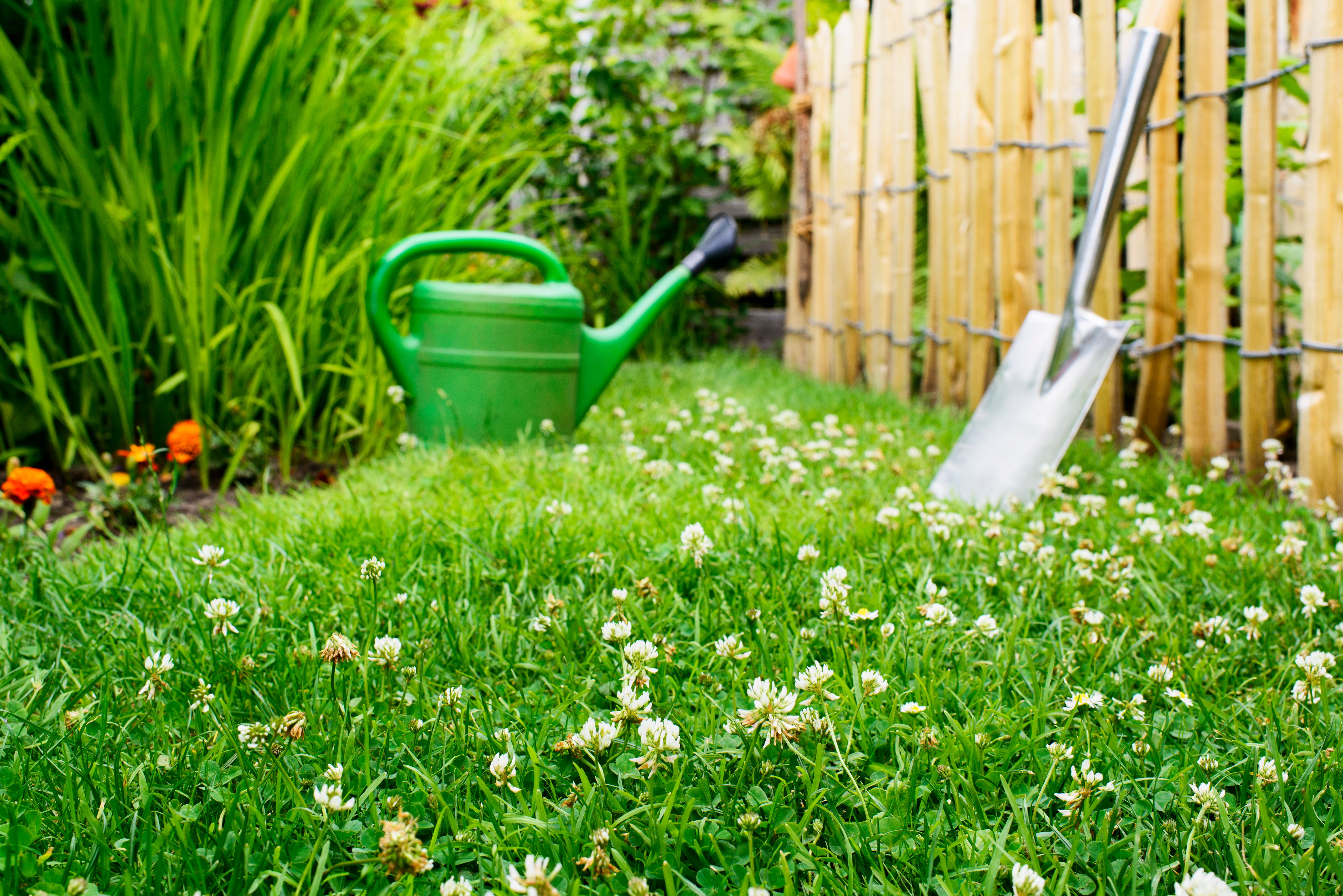
Clover lawns primarily consist of clover plants, a type of legume, instead of conventional grass. These lawns are easy to maintain and provide a lush, green appearance. Clover varieties such as white clover are commonly used due to their durability and adaptability to various climates.
Benefits of Clover Lawns
One of the most notable advantages of clover lawns is their low maintenance requirement. Unlike traditional grass, clover does not need frequent mowing, which reduces time, effort, and energy consumption. Additionally, clover is drought-resistant, requiring less water, and remains green even during dry spells.
Clover is also a natural fertilizer. It enriches the soil by fixing nitrogen from the atmosphere, which can improve soil health over time and reduce the need for chemical fertilizers. This aspect makes clover lawns an attractive option for those seeking to minimize their environmental impact.
Cost-Effectiveness
Switching to a clover lawn can be economically beneficial. The reduced need for water, fertilizers, and lawn care services can lead to significant cost savings over time. For many homeowners, the initial investment in clover seeds pays off quickly through lower maintenance expenses.
Environmental Impact
Clover lawns contribute positively to the environment by supporting biodiversity. They attract beneficial insects such as bees and butterflies, promoting a healthier ecosystem. Clover also helps in soil erosion control, making it a sustainable choice for sloped areas.
Challenges and Considerations
While clover lawns offer numerous benefits, there are some considerations to keep in mind. Clover can be less durable in high-traffic areas, and some people may not prefer its appearance compared to traditional grass. However, these challenges can often be mitigated with thoughtful planning and design.
Conclusion
The rising popularity of clover lawns reflects a growing trend towards sustainable living. By adopting clover lawns, homeowners can enjoy a beautiful, low-maintenance landscape while contributing to environmental conservation. As awareness continues to grow, clover lawns are poised to become a staple in eco-friendly landscaping.