The Growing Popularity of Eco-Lawns: Why Clover is the Future of Sustainable Landscapes


The Rise of Eco-Lawns
As environmental awareness continues to grow, homeowners are seeking sustainable alternatives for their landscapes. Traditional grass lawns, which require significant water, fertilizers, and maintenance, are being replaced by eco-lawns. One standout option in this green movement is the use of clover. This humble plant is not only environmentally friendly but also cost-effective and visually appealing.
Why Choose Clover?
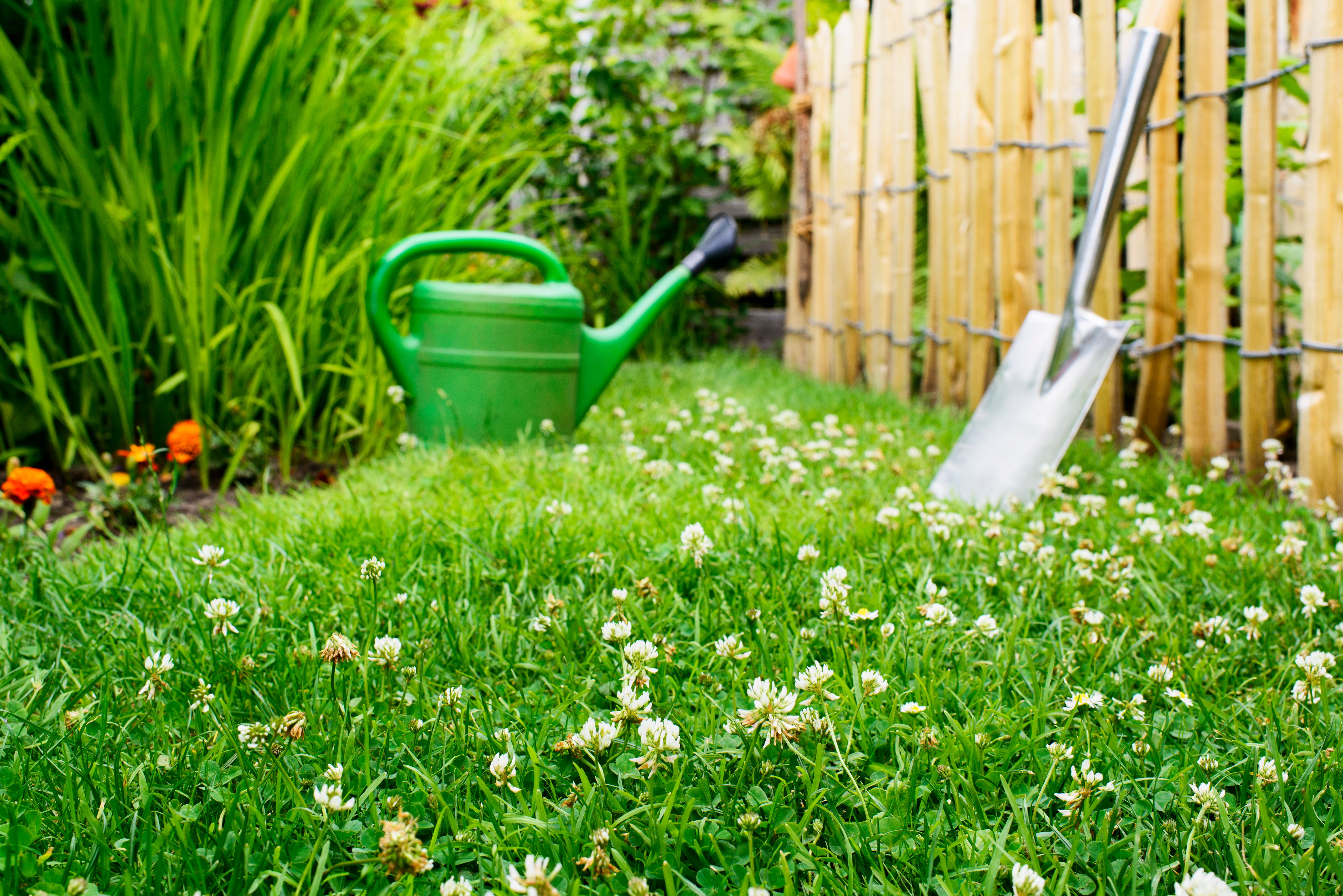
Clover has several advantages over traditional grass. It is naturally drought-resistant, meaning it requires less water to maintain its lush appearance. This characteristic makes clover an ideal choice for regions facing water scarcity or for those who wish to conserve this precious resource. Additionally, clover lawns do not need frequent mowing, reducing the carbon footprint associated with lawn maintenance.
Another benefit of clover is its ability to thrive in poor soil conditions. Unlike grass, which often requires fertilization, clover can fix nitrogen from the air, enriching the soil naturally. This process not only enhances soil health but also provides a nutrient-rich environment for neighboring plants.
The Aesthetic Appeal
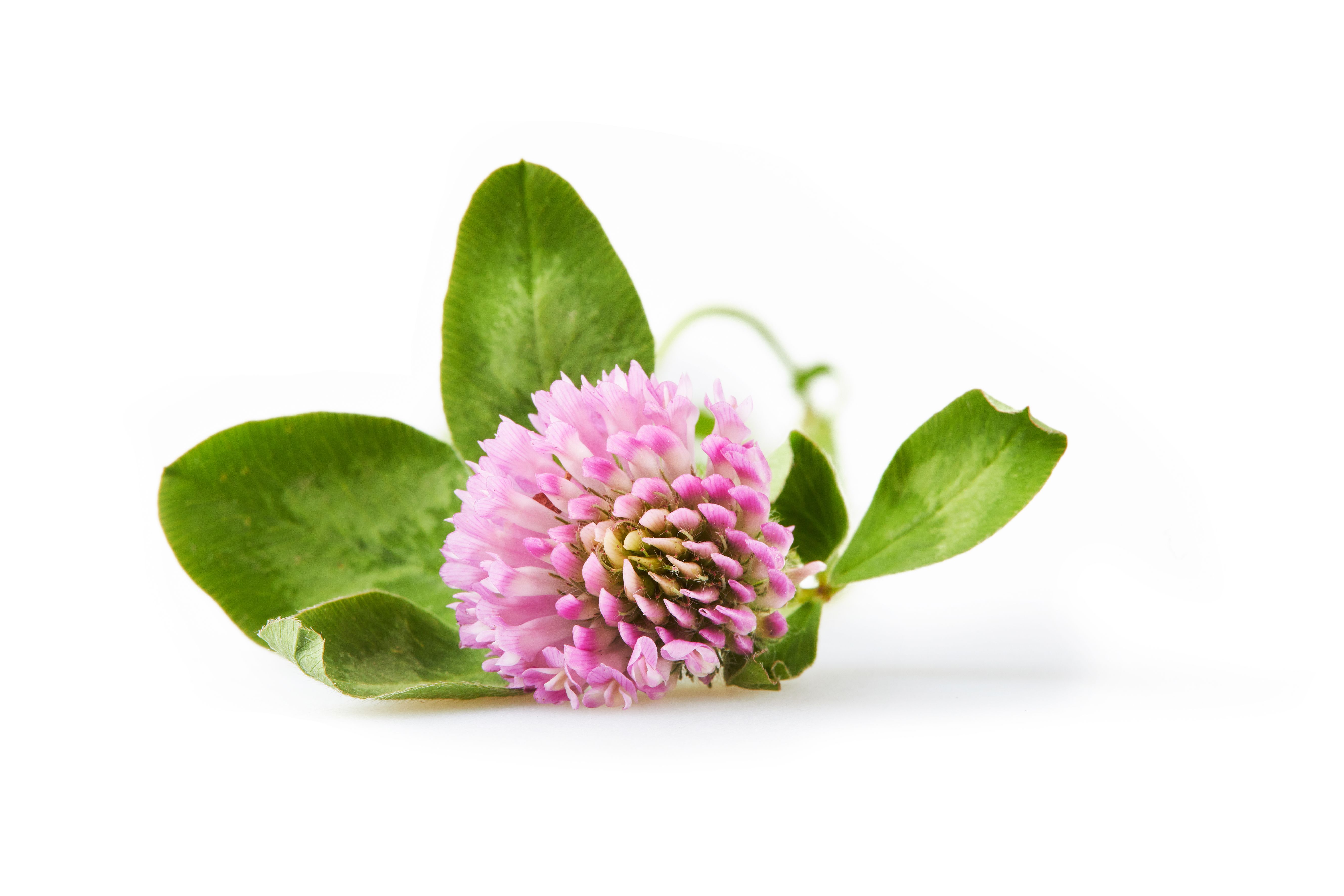
Clover lawns offer a unique and attractive alternative to traditional grass. With their lush, green carpet and delicate flowers, they provide a soft and inviting landscape. Clover blooms can add a touch of color and attract beneficial insects such as bees and butterflies, promoting biodiversity in your garden.
Low Maintenance and Cost-Effective
One of the most appealing aspects of clover lawns is their low maintenance requirements. Unlike grass, clover rarely needs mowing and can stay green even in dry conditions. This characteristic not only saves time and effort but also reduces the need for expensive lawn care products and services.
Moreover, the initial cost of establishing a clover lawn is often lower than that of traditional grass. Clover seeds are generally cheaper and easier to sow, making the transition to an eco-lawn both practical and economical.
Environmental Benefits
Clover is a powerhouse when it comes to environmental benefits. Its ability to fix nitrogen reduces the need for chemical fertilizers, which can run off into waterways and harm aquatic life. Additionally, clover's deep roots help prevent soil erosion and improve soil structure, further contributing to a healthier ecosystem.
How to Transition to a Clover Lawn
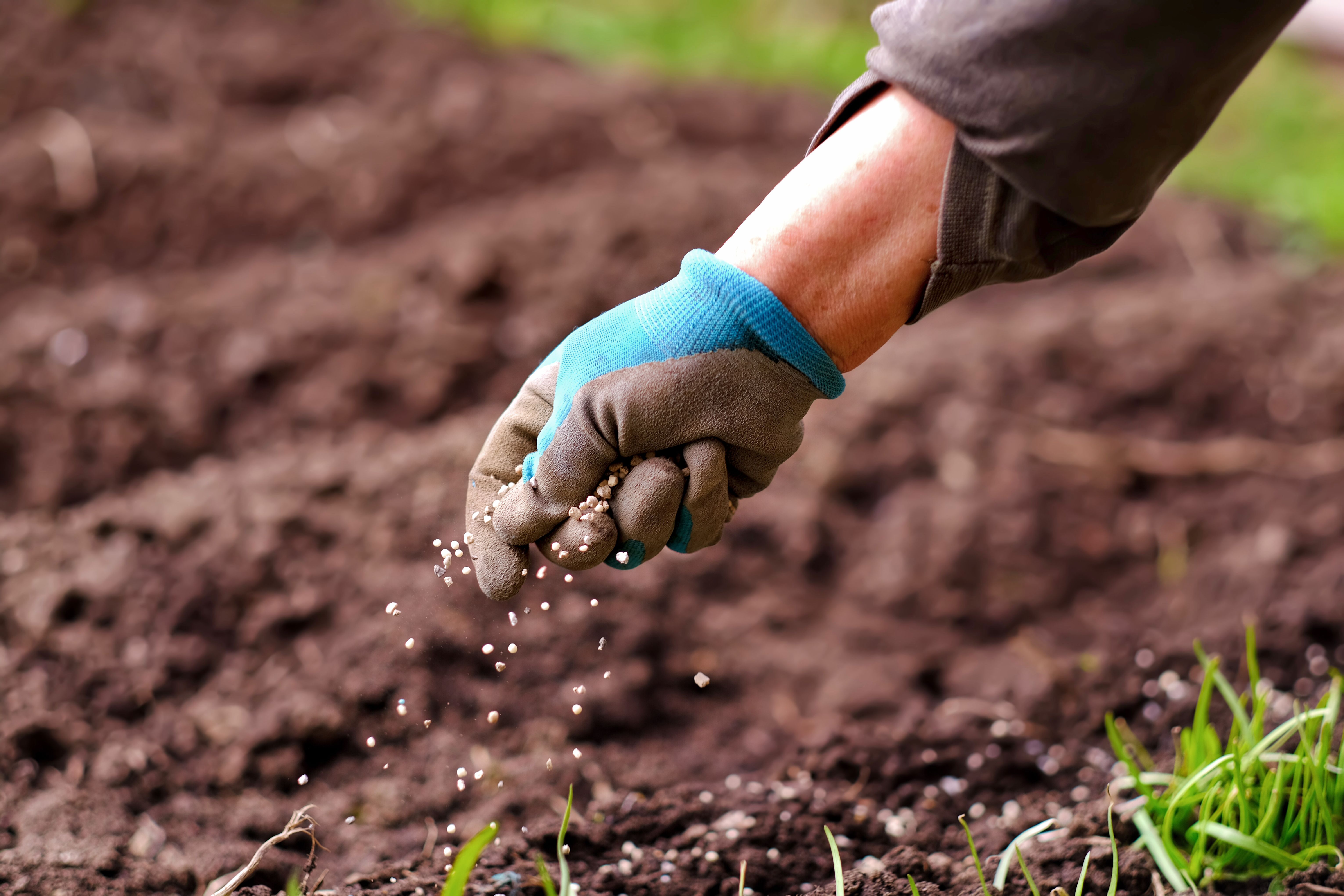
Transitioning to a clover lawn is a straightforward process. Begin by removing existing grass and weeds, then prepare the soil by loosening it and ensuring good drainage. After sowing the clover seeds, water them lightly and keep the area moist until the plants are established. Once grown, your clover lawn will require minimal upkeep and provide long-lasting beauty and sustainability.
Consider the amount of sunlight and the specific clover variety suited for your area. Consulting with local gardening experts can help ensure a successful transition to an eco-lawn.
The Future of Sustainable Landscapes
The growing popularity of clover lawns represents a shift towards more sustainable landscaping practices. As more people embrace eco-lawns, the benefits extend beyond individual homes, contributing to a global effort to reduce water usage and chemical dependency. Clover is truly the future of sustainable landscapes, offering a beautiful, practical, and environmentally friendly alternative to traditional lawns.