Step-by-Step Guide to Creating a Clover Lawn


Why Choose a Clover Lawn?
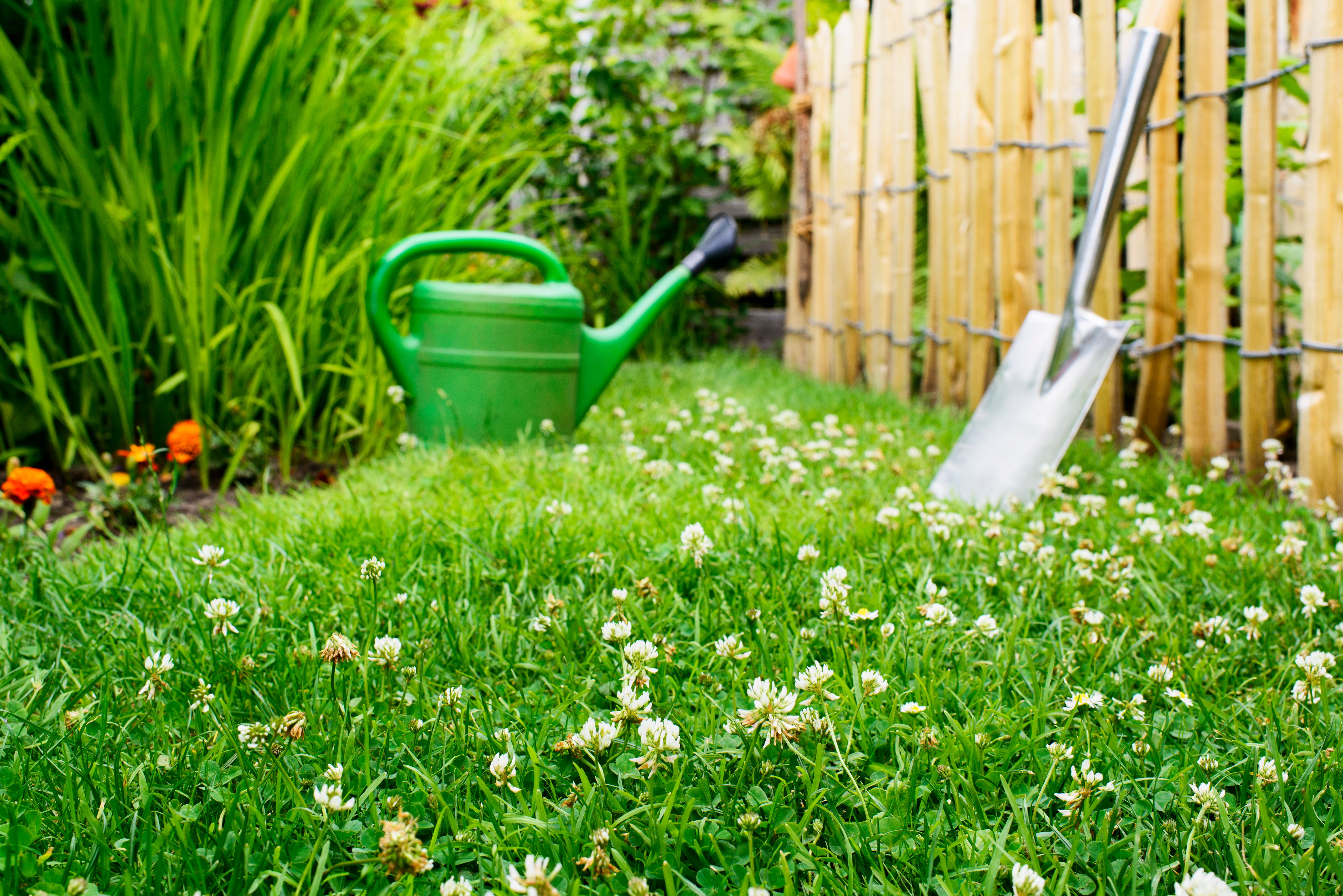
When planning your garden, consider replacing traditional grass with a clover lawn. Clover offers numerous benefits, including low maintenance and environmental friendliness. Due to its nitrogen-fixing abilities, clover enriches the soil, reducing the need for chemical fertilizers. Additionally, it stays green even during dry spells.
Another advantage is that clover lawns are more resistant to pet urine, minimizing those unsightly brown patches. They also attract beneficial insects like bees, promoting biodiversity in your garden.
Selecting the Right Clover
Before starting, choose the right type of clover for your lawn. The most popular variety is white clover, known for its durability and low-growing habit. Microclover is another excellent option, as it blends well with grass and remains unobtrusive. Consider the climate and soil conditions in your area when making your choice.
Research local suppliers or garden centers to find the best clover seeds for your needs. Buying from a nearby source ensures that the clover is suited to your region's climate.
Preparing the Soil
Proper soil preparation is crucial for a thriving clover lawn. Start by removing any existing grass and weeds. You can do this manually or use a sod cutter for larger areas. Once cleared, till the soil to a depth of about 6 inches to ensure a loose, aerated base.
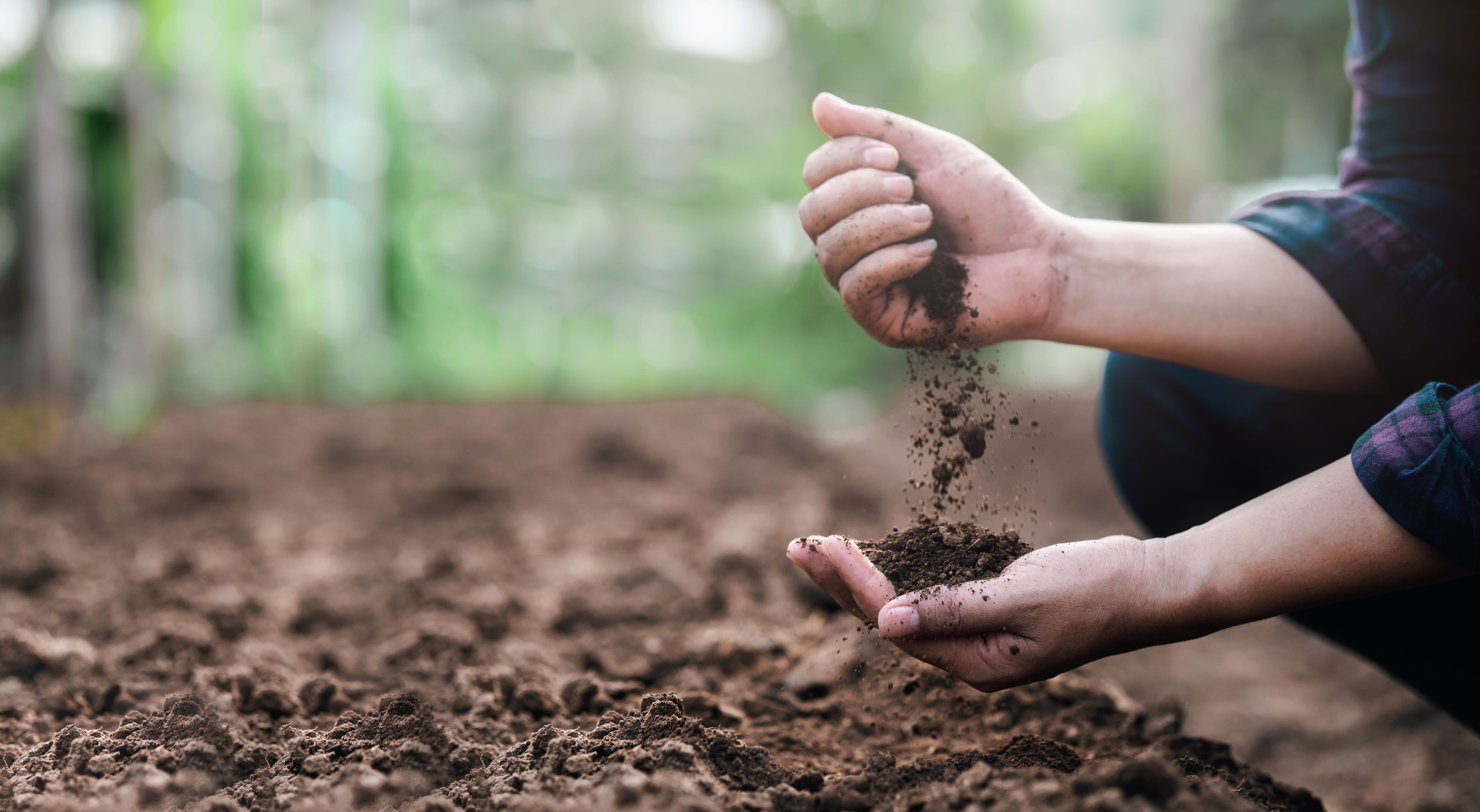
Test the soil's pH level and add lime if necessary to achieve a slightly acidic to neutral range (around 6.0 to 7.0 pH). This environment is ideal for clover growth. Rake the soil to create a smooth, even surface.
Planting Your Clover Lawn
Once the soil is ready, it's time to plant the clover seeds. For best results, sow the seeds in early spring or early fall when temperatures are moderate. Mix the clover seeds with sand or sawdust to ensure even distribution and spread them evenly across the prepared area.
Lightly rake the seeds into the soil, ensuring they make good contact. Water the area gently but thoroughly, keeping the soil consistently moist until the clover is well-established.

Maintaining Your Clover Lawn
Clover lawns require less maintenance than traditional grass lawns, but they still need some care to thrive. Water the lawn during prolonged dry spells, though clover is more drought-tolerant than grass. Mow the lawn regularly to prevent clover flowers from overtaking the area if you prefer a tidier look.
Fertilizing is generally unnecessary, as clover naturally enriches the soil. However, if you notice slow growth, a light application of an organic fertilizer can be beneficial.
Dealing with Weeds and Pests
Clover is resilient against many common lawn weeds, but some may still appear. Hand-pulling is usually effective, or you can use an organic herbicide if necessary. Pest issues are rare in clover lawns, but keep an eye out for signs of trouble and address them promptly.
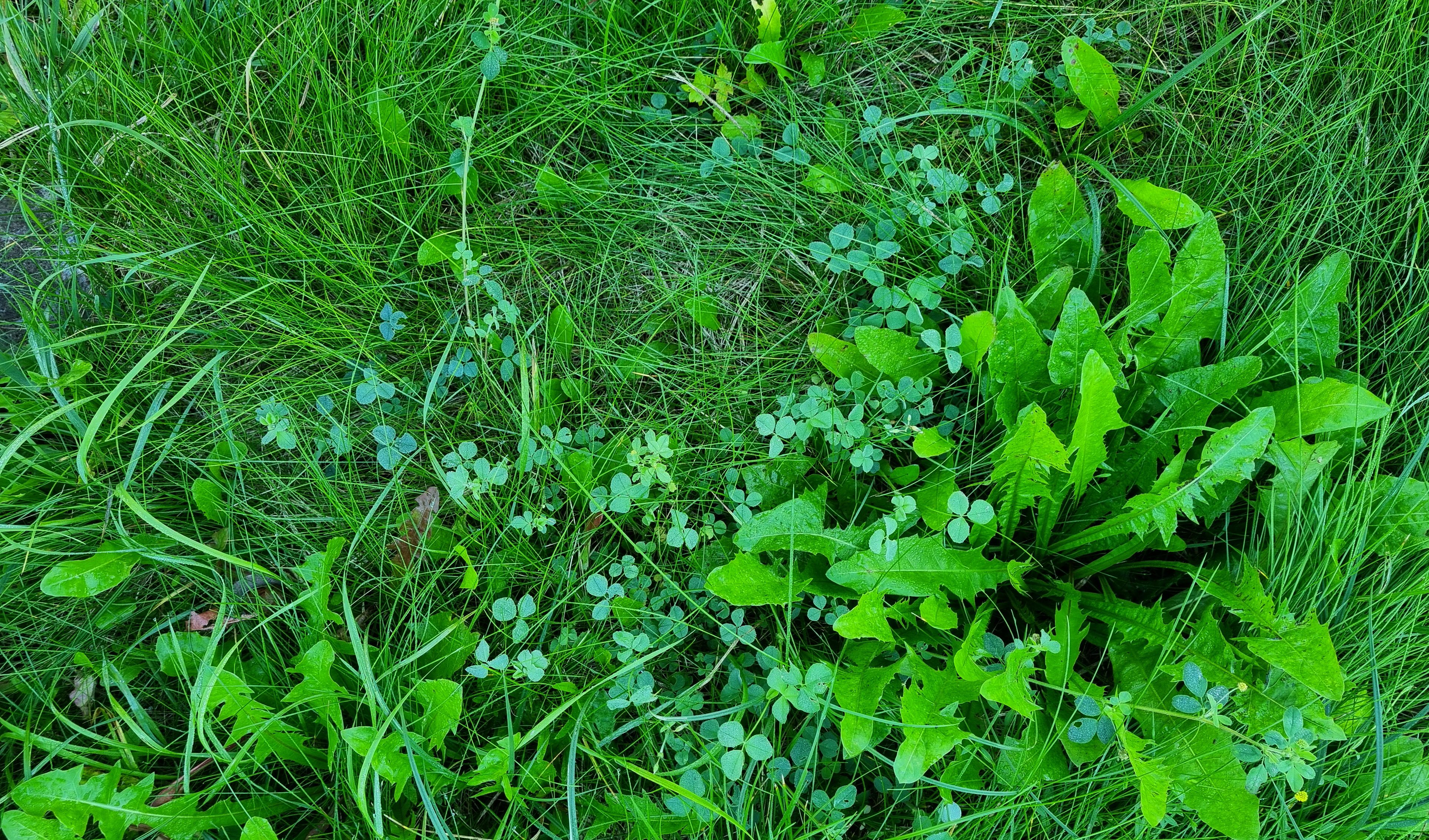
By following these steps, you can enjoy a lush, eco-friendly clover lawn that enhances your garden's beauty while supporting local biodiversity. Transform your outdoor space with this sustainable and attractive alternative to traditional lawns.