Spring Lawn Conversion Tips: Transitioning to a Clover Lawn


Why Choose a Clover Lawn?
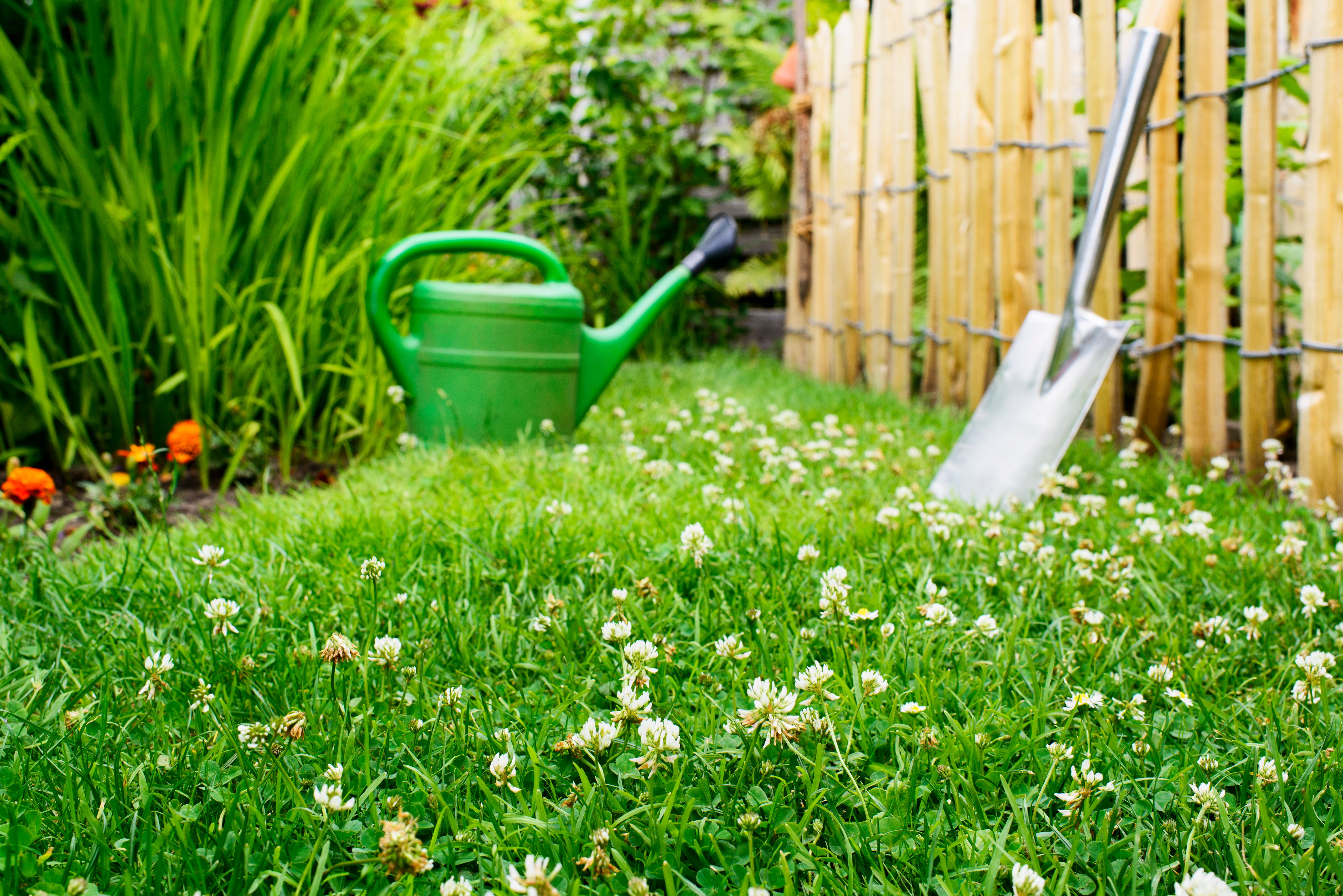
Spring is the perfect time to rethink your lawn and consider transitioning to a clover lawn. Clover lawns offer numerous benefits, including reduced maintenance, improved soil health, and a lush, green appearance. Unlike traditional grass lawns, clover requires less mowing, fertilizing, and watering, making it an eco-friendly choice for homeowners.
Clover is also known for its ability to thrive in poor soil conditions and its resistance to pests and diseases. This means fewer chemicals and less effort are needed to keep your lawn looking its best throughout the year.
Preparing Your Lawn for Conversion
Assess Your Current Lawn
Before you begin the conversion process, assess the state of your current lawn. Remove any weeds, debris, and dead grass to create a clean slate. This step is crucial for ensuring the successful establishment of clover.
Soil Preparation
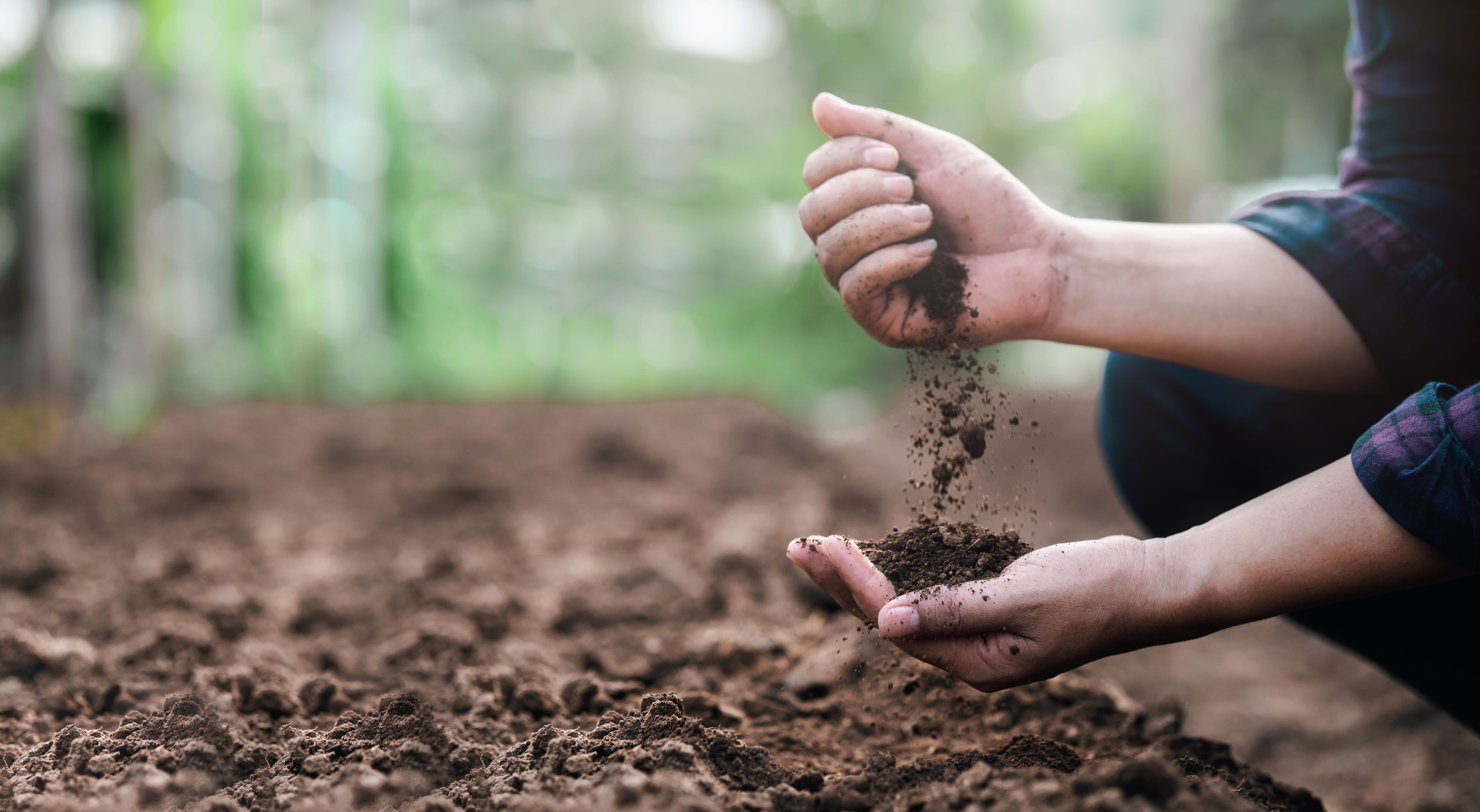
Test your soil’s pH level to ensure it is in the ideal range for clover, which is between 6.0 and 7.0. Amend your soil as necessary with lime or sulfur to adjust the pH. Additionally, loosen the topsoil to improve aeration and drainage, which will help clover seeds germinate effectively.
Planting Clover
Choosing the Right Clover
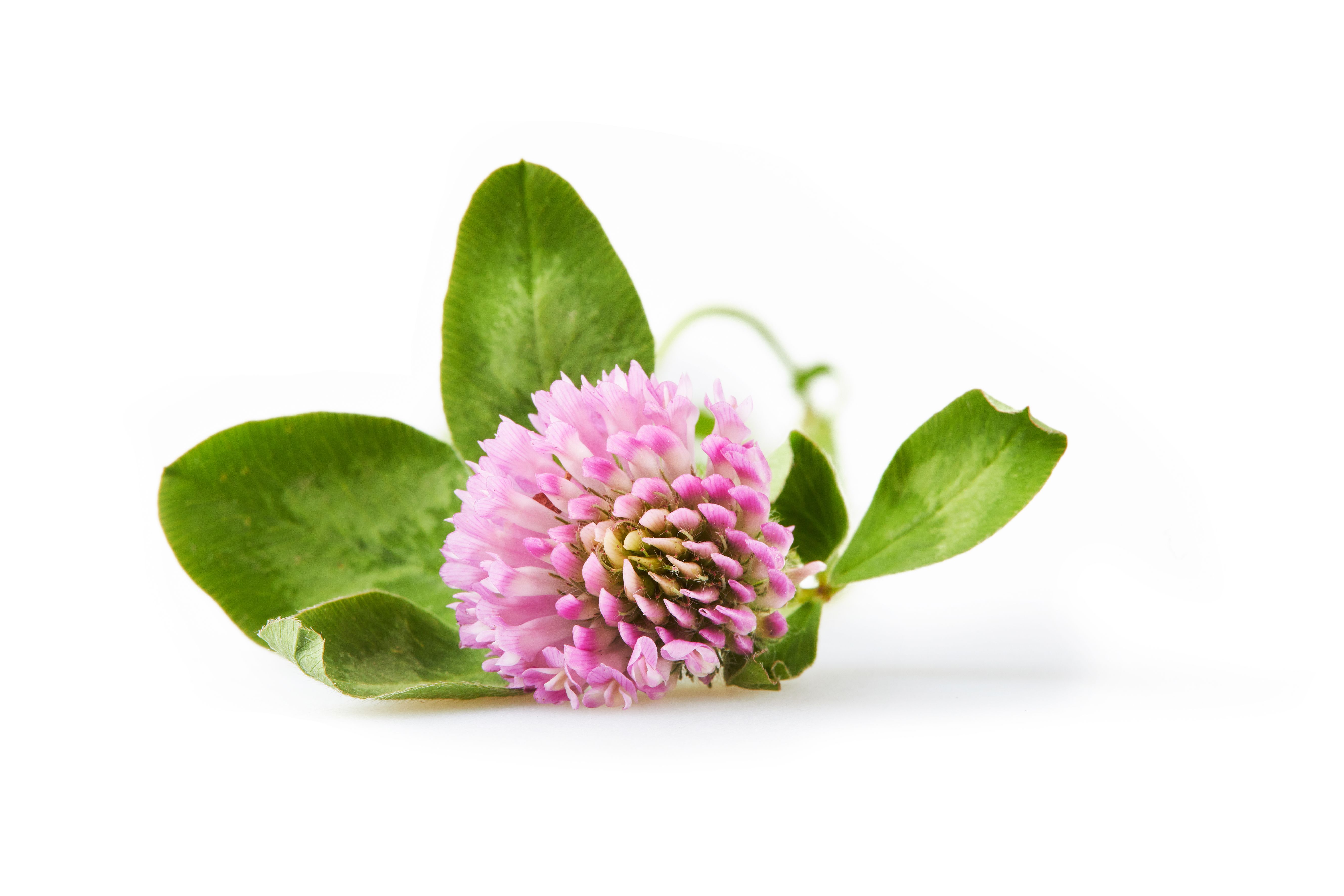
Select the appropriate type of clover for your region. White clover is a popular choice for lawns due to its low-growing habit and resilience. Micro clover is another excellent option for those who prefer a finer texture and a more uniform appearance.
Seeding Process
For best results, seed your clover lawn in early spring. Scatter the seeds evenly over the prepared soil and lightly rake them in. Water the area gently but thoroughly, making sure the seeds are in contact with the soil. Keep the soil consistently moist until the clover becomes established.
Maintaining Your Clover Lawn
Watering and Fertilizing
One of the major benefits of a clover lawn is its low water requirement. Once established, clover is drought-tolerant and only needs occasional watering during prolonged dry spells. Clover also fixes nitrogen in the soil, reducing the need for additional fertilizers.
Mowing Tips
Clover lawns require less frequent mowing compared to traditional grass lawns. Mow your clover lawn to a height of about 3 inches to encourage healthy growth and prevent the clover from overshadowing itself.

Dealing with Pests and Weeds
Clover naturally suppresses weeds and is resistant to many pests, making chemical treatments largely unnecessary. However, if you notice any weed problems, pull them by hand or use an organic herbicide. For pest issues, consider introducing beneficial insects to your lawn to keep harmful pests in check.
By following these steps, you can successfully transition to a clover lawn that is both beautiful and sustainable. Enjoy the benefits of a low-maintenance, environmentally friendly yard that enhances your outdoor space.