Seasonal Care Tips for Your Clover Lawn: Ensuring Year-Round Beauty


Understanding Clover Lawns
Clover lawns have gained popularity for their lush green appearance, low maintenance, and environmental benefits. Unlike traditional grass, clover requires less water and fertilization, making it an eco-friendly choice. However, to keep your clover lawn thriving throughout the year, it’s essential to understand its unique care requirements.
Spring: Time for Revival
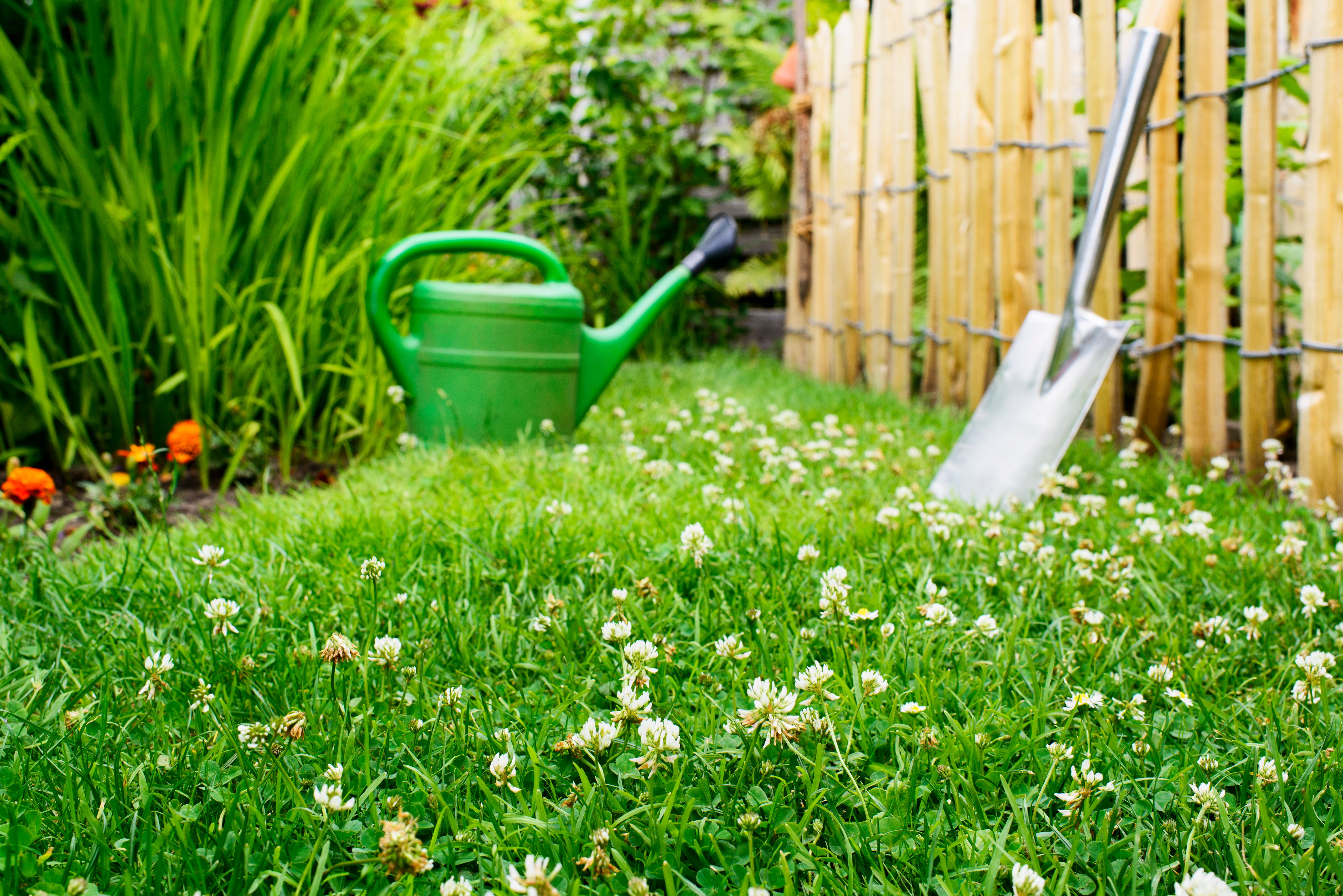
As temperatures rise, your clover lawn will start to awaken from its winter dormancy. Spring is the perfect time to give it a boost. Begin with a gentle raking to remove any debris and dead leaves. This will help air circulate and promote new growth. Additionally, consider overseeding any bare patches to ensure a dense, even coverage.
Regular watering is crucial during this time, especially if spring showers are sparse. Aim for a deep watering once a week, allowing the soil to dry out between sessions. This encourages deep root growth, making your clover more drought-resistant in the summer months.
Summer: Maintaining Health
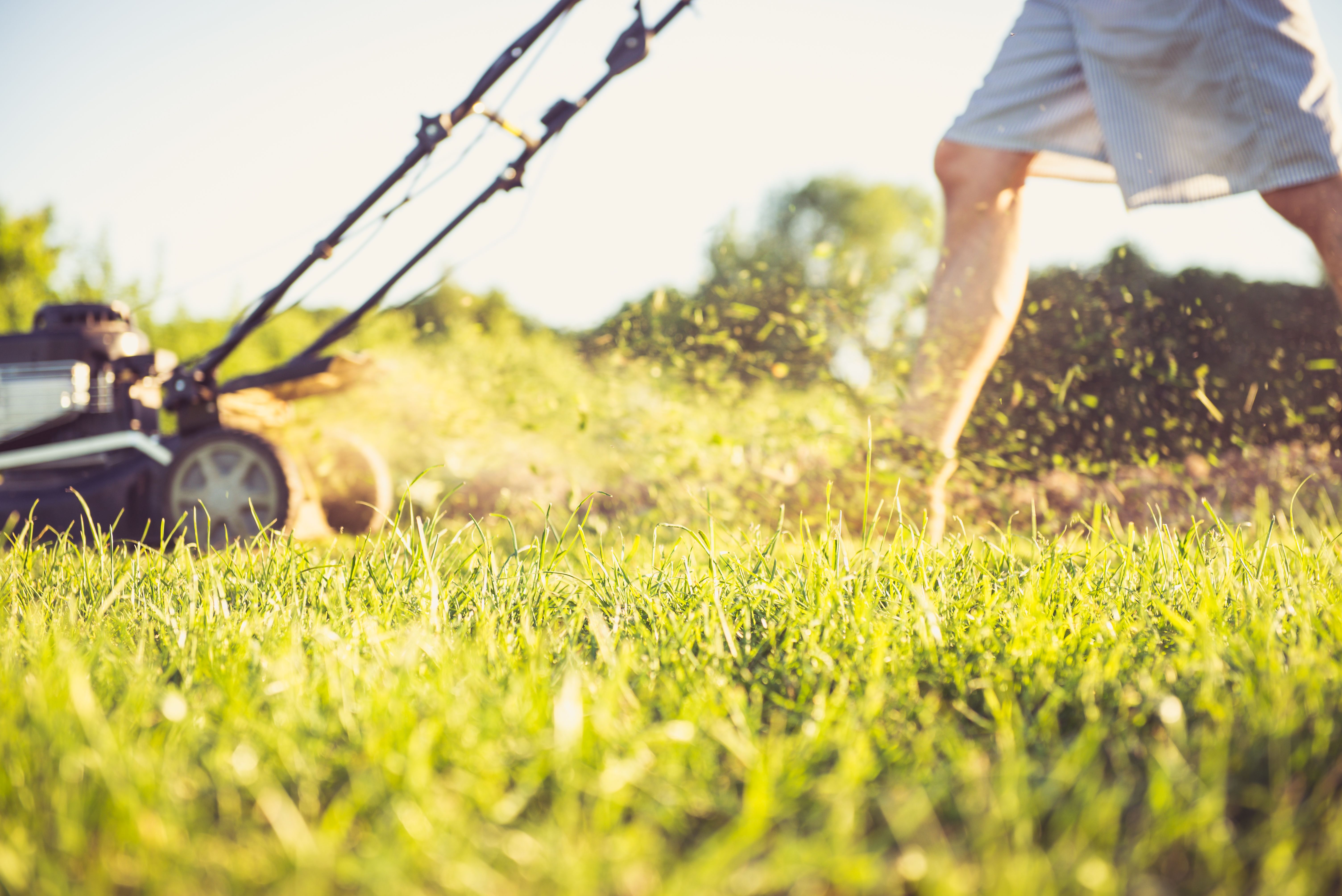
Summer heat can be challenging for any lawn, but clover is particularly resilient. To keep it looking its best, mow regularly but avoid cutting too short—about three inches is ideal. This height provides enough leaf surface for photosynthesis while shading the soil to reduce water evaporation.
During dry spells, ensure your clover lawn receives at least an inch of water per week. It’s also a good idea to watch for pests and diseases, which can be more prevalent in hot weather. Natural pest control methods, like neem oil or introducing beneficial insects, can help manage any outbreaks.
Fall: Preparing for Dormancy
As temperatures begin to drop, your clover lawn will start preparing for dormancy. This is an excellent time to aerate the soil, allowing nutrients and moisture to reach the roots more effectively. Aeration also helps reduce compaction, which can impede growth.
Consider applying a slow-release, organic fertilizer to provide essential nutrients that will be stored over winter. This strengthens your lawn, ensuring it emerges healthy and vibrant in the spring.
Winter: Minimal Maintenance
Clover lawns require minimal care in winter. They generally go dormant, turning a brownish hue. This is normal and temporary. Avoid excessive foot traffic on the lawn during this time to prevent damage to the roots.
If you experience heavy snowfall, gently brush off any accumulated snow to prevent ice from compacting the lawn. Otherwise, let your clover rest and prepare for the upcoming growth cycle.
Additional Tips for Year-Round Beauty
To ensure your clover lawn remains beautiful year-round, consider the following tips:
- Soil Testing: Conduct soil tests periodically to monitor pH and nutrient levels.
- Weed Control: Clover naturally suppresses weeds, but manual removal may be necessary for persistent ones.
- Natural Fertilizers: Use organic fertilizers to maintain soil health without harming the environment.
By following these seasonal care tips, your clover lawn will not only look stunning but also contribute positively to the environment, providing a lush, green space for relaxation and enjoyment throughout the year.