Seasonal Care Tips for Maintaining a Vibrant Clover Lawn


Introduction to Clover Lawns
Clover lawns are an increasingly popular choice for homeowners seeking a low-maintenance, eco-friendly alternative to traditional grass lawns. Not only does clover require less mowing and watering, but it also enriches the soil with nitrogen, promoting a lush, green landscape. However, like any plant, clover requires seasonal care to maintain its vibrancy and health throughout the year.
Spring Renewal
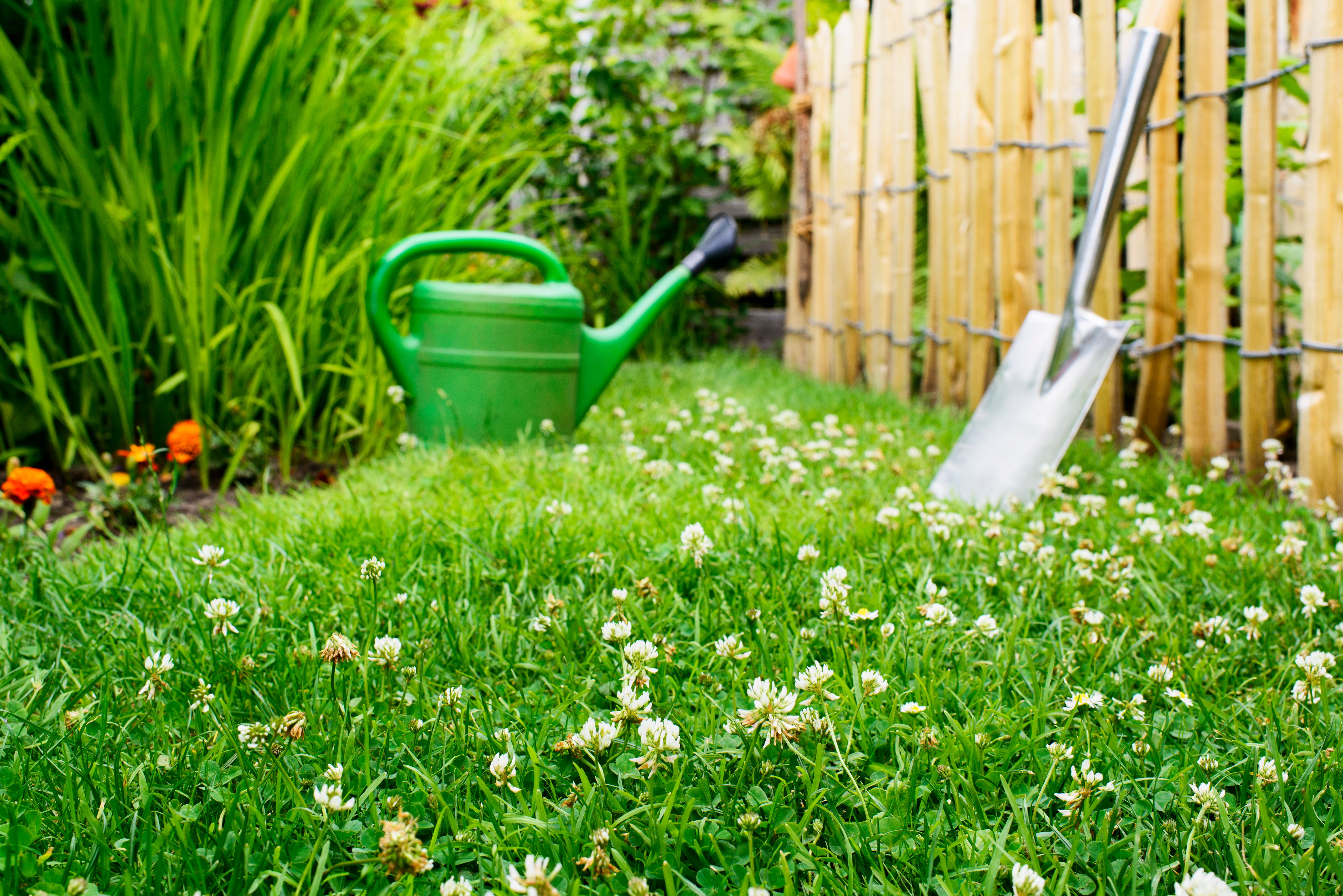
Spring is the perfect time to rejuvenate your clover lawn. Begin by removing any debris that may have accumulated over the winter months. This will allow sunlight and air to reach the soil, encouraging new growth. Consider overseeding with a fresh batch of clover seeds to fill in any bare spots and enhance the lawn's density.
During spring, it's essential to monitor soil moisture. Clover thrives in moderately moist conditions, so water your lawn if rainfall is insufficient. However, avoid overwatering, as clover is relatively drought-resistant and excessive moisture can lead to root rot.
Summer Care
As temperatures rise, maintaining optimal moisture levels becomes crucial. Water your clover lawn early in the morning to minimize evaporation and ensure deep root hydration. Additionally, mowing should be done sparingly; clover typically grows only 2-3 inches high, reducing the need for frequent cutting.

Fertilizing is generally unnecessary for clover lawns since clover naturally fixes nitrogen in the soil. However, if your lawn appears pale or thin, a light application of organic fertilizer can provide a nutrient boost.
Fall Preparation
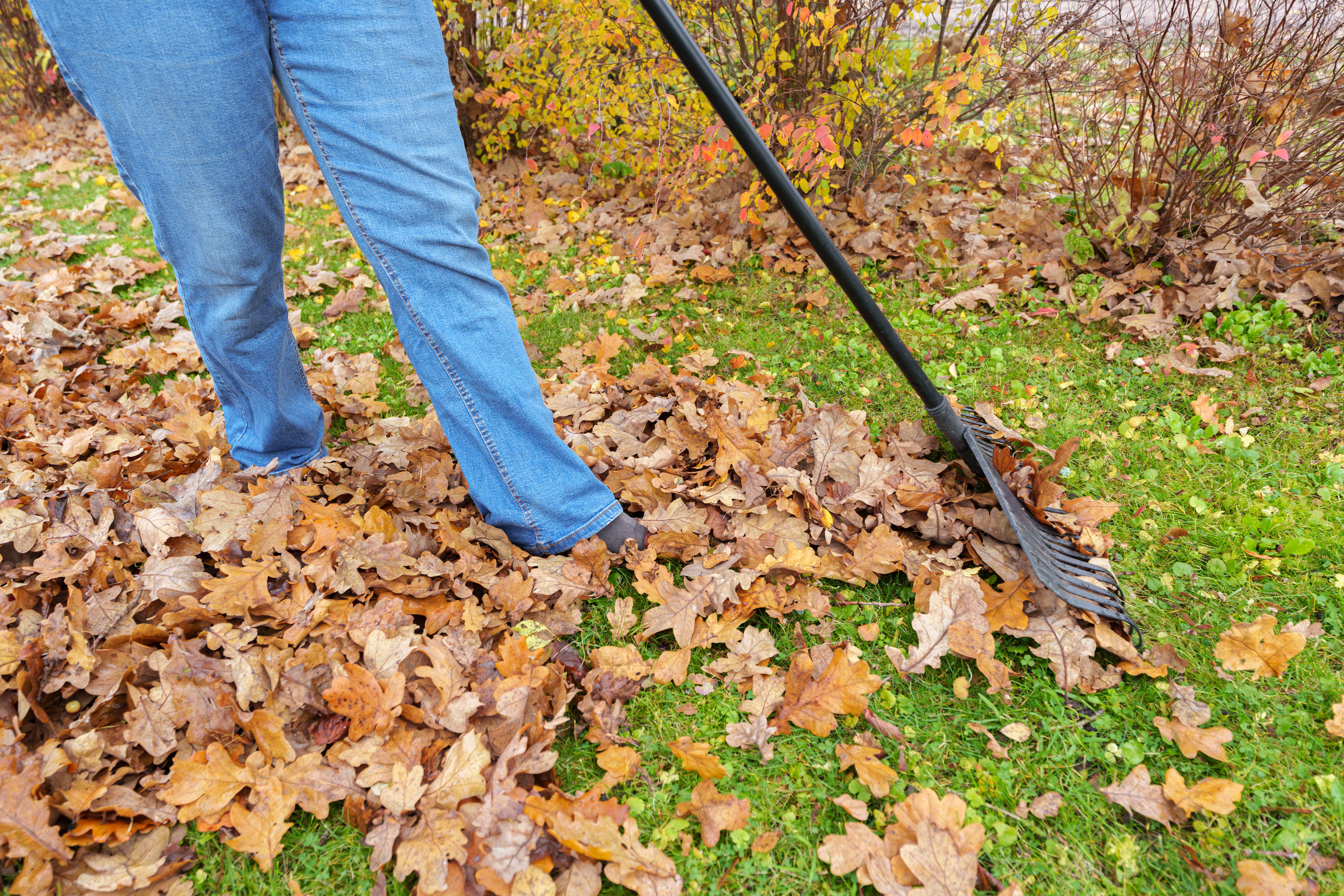
Fall is the ideal season to prepare your clover lawn for winter. Begin by aerating the soil to improve water and nutrient absorption. This step is particularly important if your lawn sees heavy foot traffic, which can compact the soil.
Overseed your lawn again in the fall to ensure dense growth come spring. This will also help to crowd out weeds, minimizing competition for resources. As temperatures drop, gradually reduce watering to prevent waterlogged soil.
Winter Maintenance
Although clover is relatively hardy, protecting it during winter months is essential. Avoid heavy foot traffic on your lawn when it's frosted or snow-covered, as this can damage the plants. No need to worry too much about watering or mowing during winter, as clover naturally goes dormant in cold weather.
In areas with harsh winters, a light layer of mulch can provide insulation against freezing temperatures. This not only protects the clover but also helps retain soil moisture and prevent erosion.
Conclusion
Maintaining a vibrant clover lawn involves understanding and adapting to its seasonal needs. By following these care tips, you can enjoy a lush, green landscape that requires minimal upkeep and benefits the environment. Embrace the beauty and practicality of clover, and watch your lawn thrive year-round.