Pollinator Paradise: How Clover Lawns Support Local Ecosystems


The Rise of Clover Lawns
In recent years, homeowners and landscapers have shifted their focus from traditional grass lawns to more environmentally friendly alternatives. One such alternative gaining popularity is the clover lawn. Not only are clover lawns aesthetically pleasing, but they also play a vital role in supporting local ecosystems.
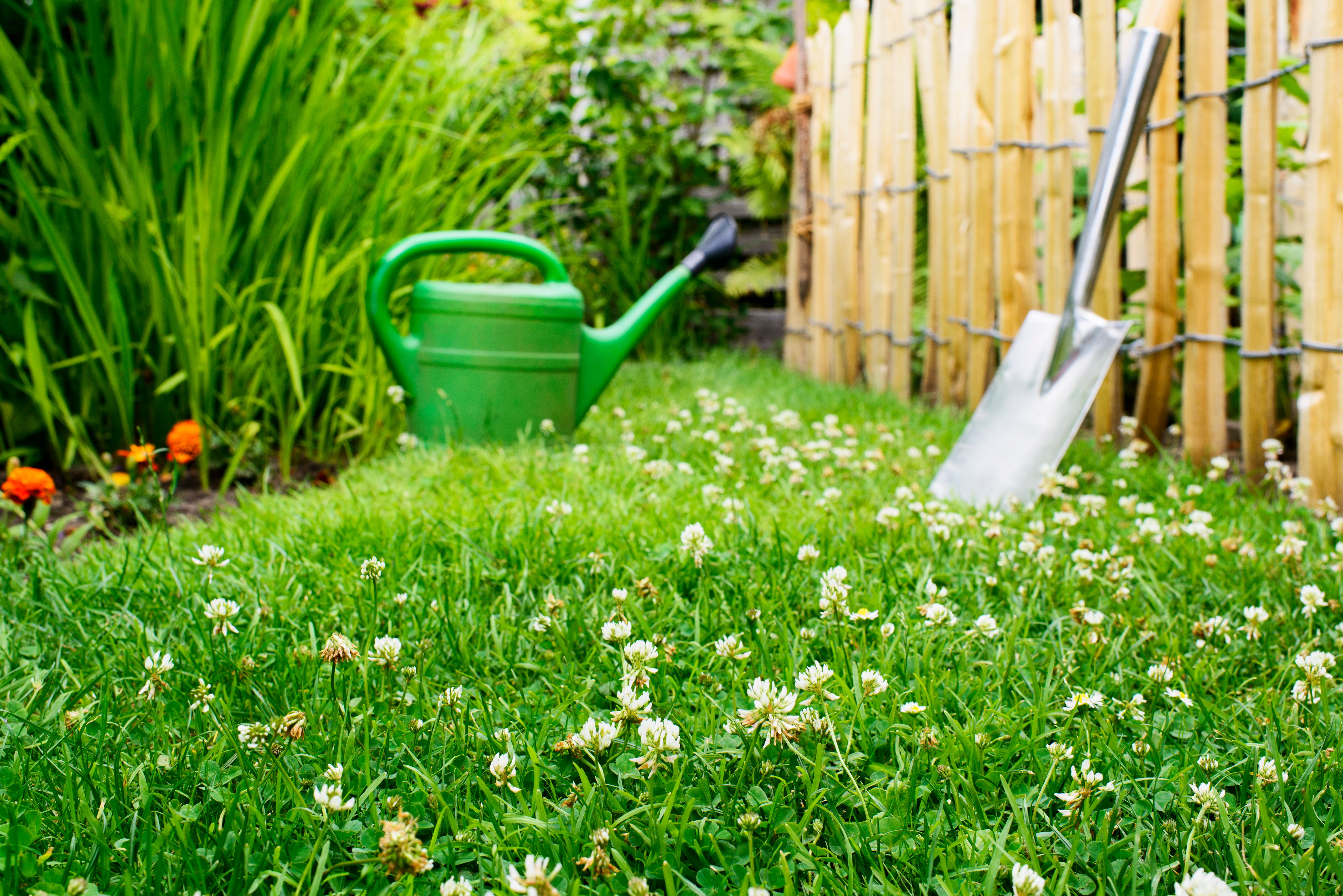
Clover, particularly white clover, is a low-maintenance plant that requires less water and fertilizer than typical grass. Its ability to thrive in various conditions makes it an ideal choice for sustainable landscaping. By choosing clover, homeowners can contribute to a greener planet.
Benefits of Clover Lawns for Pollinators
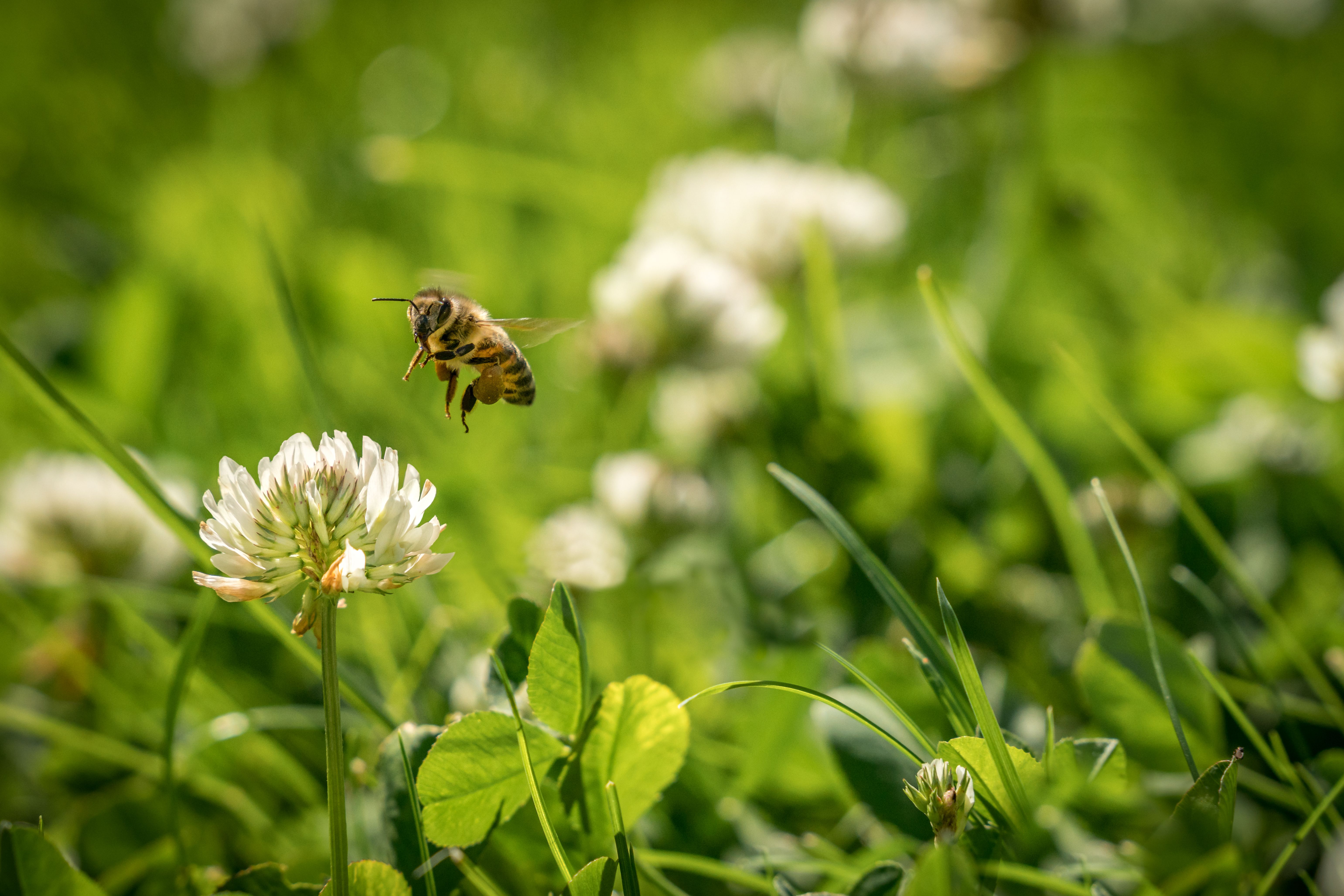
One of the most significant advantages of clover lawns is their support for pollinators such as bees and butterflies. Clover produces flowers that are rich in nectar, providing essential nourishment for these creatures. As pollinator populations decline due to habitat loss and pesticide use, clover lawns offer a safe haven for them to thrive.
Pollinators play a crucial role in our ecosystems by aiding in the reproduction of flowering plants. This process is essential for maintaining biodiversity and supporting food production. By planting clover, you can help ensure that these vital insects have the resources they need.
Creating a Clover Lawn
Transitioning to a clover lawn is a straightforward process. Here are some steps to consider:
- Choose the Right Clover: White clover is commonly used due to its resilience and low growth habit.
- Prepare the Soil: Ensure the soil is well-drained and weed-free before planting.
- Plant and Maintain: Sow clover seeds evenly and water them regularly until established. Minimal mowing is required.
By following these steps, you can create a thriving clover lawn that supports local wildlife while enhancing your landscape's beauty.
Environmental Impact
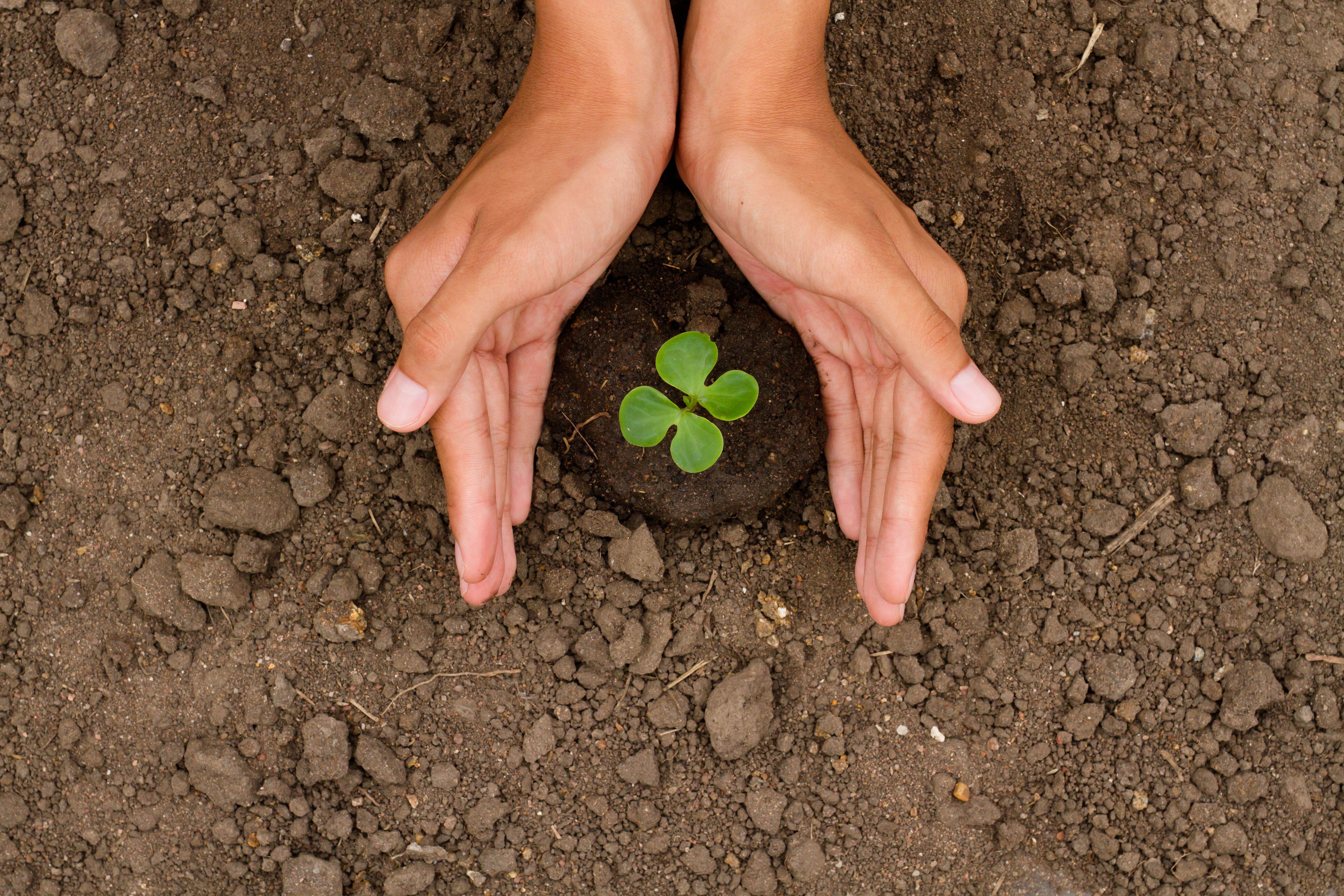
Clover lawns require less water and fertilizer compared to traditional grass lawns, reducing the environmental impact. This not only conserves water but also minimizes chemical runoff into local waterways. Additionally, clover's natural nitrogen-fixing ability enriches the soil, promoting healthier growth without the need for synthetic fertilizers.
Choosing clover over conventional grass can significantly reduce your lawn's carbon footprint, making it a practical choice for eco-conscious homeowners.
Challenges and Considerations
While clover lawns offer numerous benefits, they may not be suitable for all situations. Some homeowners might prefer the uniform look of grass or need a more durable surface for heavy foot traffic. It's important to weigh the pros and cons before making a decision.
Additionally, while clover is drought-resistant, it may not thrive in extremely shaded areas. Consider your yard's specific conditions when planning your clover lawn.
Conclusion: A Step Towards Sustainability
By adopting clover lawns, homeowners can make a meaningful contribution to environmental conservation. These lawns support pollinators, reduce water usage, and minimize chemical inputs, aligning perfectly with sustainability goals.
As we become more aware of our environmental impact, making small changes like transitioning to a clover lawn can lead to significant positive outcomes for local ecosystems and beyond.