Pollinator-Friendly Lawns: Supporting Local Ecosystems with Clover


Introduction to Pollinator-Friendly Lawns
In recent years, there has been a growing awareness of the importance of supporting local ecosystems. One simple yet effective way to contribute is by creating pollinator-friendly lawns. By incorporating elements like clover into your lawn, you can provide essential resources for pollinators while maintaining a beautiful outdoor space.
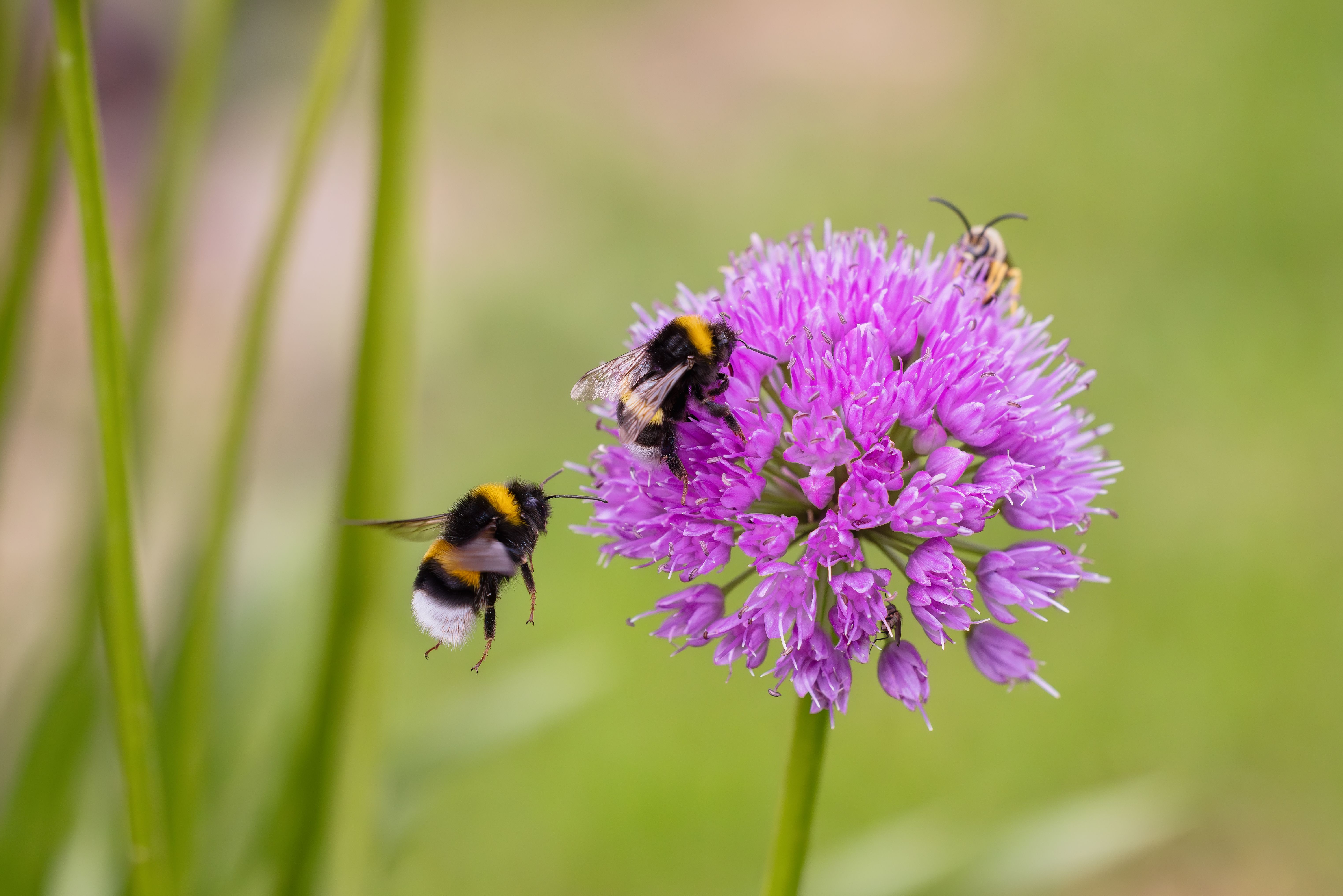
Pollinators, such as bees, butterflies, and other insects, play a crucial role in the health of our environment. They are responsible for the pollination of many plants, which in turn supports biodiversity and food production. A pollinator-friendly lawn can help sustain these vital creatures.
Why Choose Clover?
Clover is an excellent choice for those looking to create a pollinator-friendly lawn. It is a resilient plant that requires minimal maintenance and offers numerous benefits to both pollinators and homeowners.
One of the main advantages of clover is its ability to fix nitrogen in the soil. This natural fertilization process reduces the need for chemical fertilizers, promoting a healthier environment. Additionally, clover is drought-resistant and provides a lush, green ground cover even during dry spells.
Benefits for Pollinators
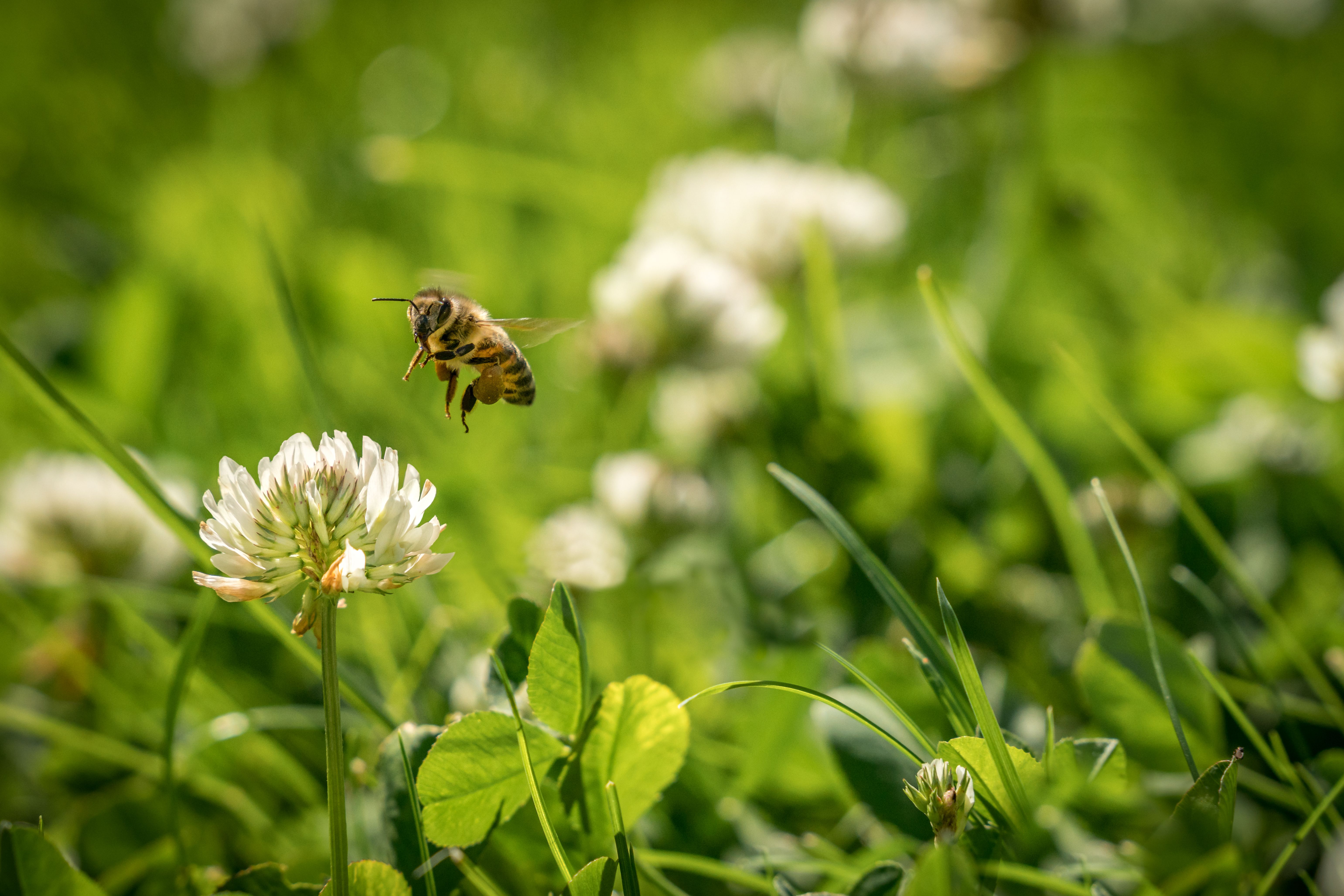
Incorporating clover into your lawn provides a rich source of nectar for pollinators. Its flowers attract a variety of insects, including bees and butterflies, offering them the nourishment they need to thrive. This not only supports local ecosystems but also enhances the biodiversity of your garden.
Moreover, clover blooms over an extended period, ensuring a continuous food source for pollinators throughout the growing season. This extended blooming period is crucial for maintaining healthy pollinator populations in your area.
Creating a Clover Lawn
Transforming your traditional lawn into a clover lawn is a straightforward process. Here are some steps to get started:
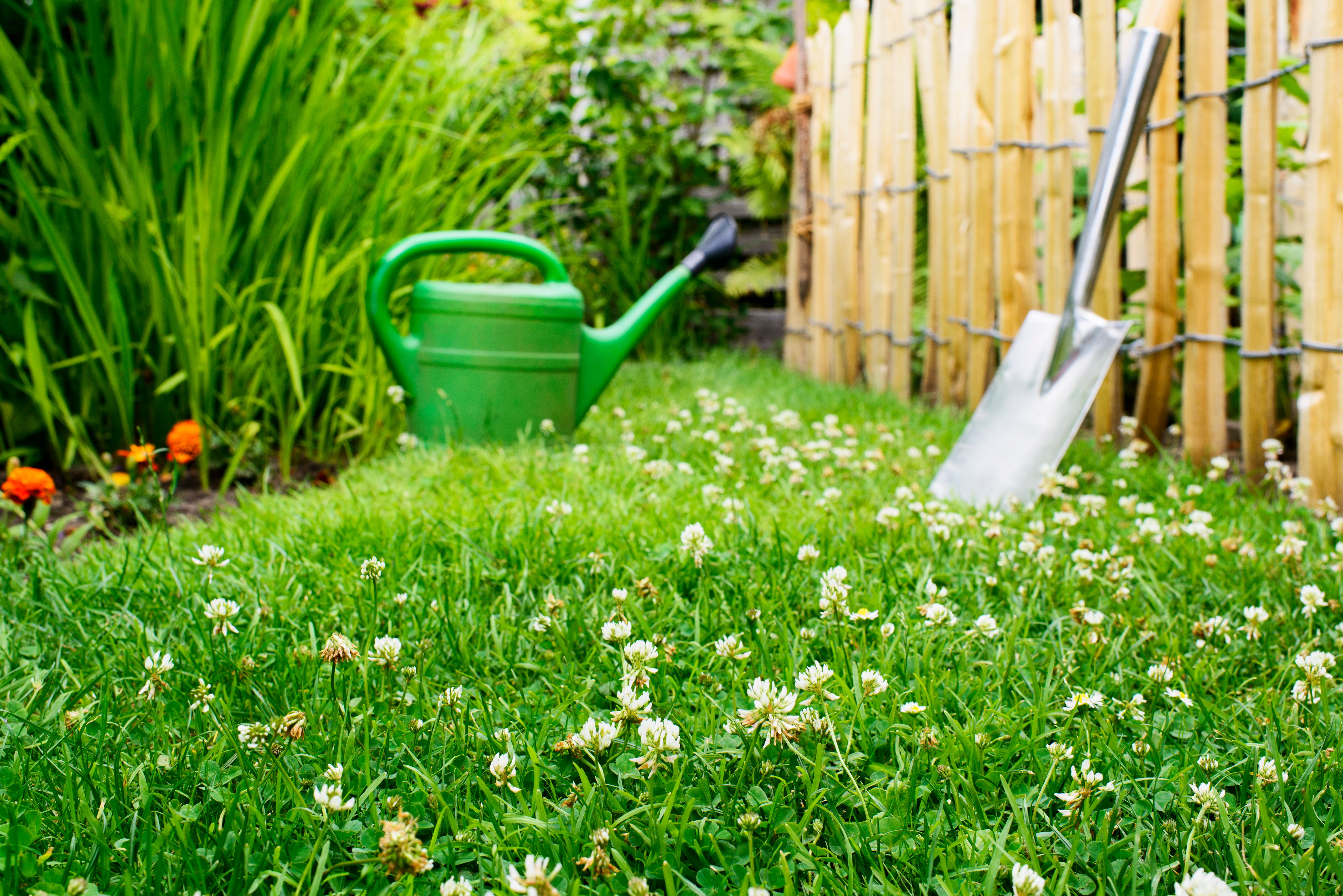
- Choose the right type of clover for your region. White clover is a popular choice due to its adaptability and resilience.
- Prepare your soil by removing existing grass and weeds.
- Sow clover seeds evenly across the prepared area, following the seed package instructions.
- Water the area regularly until the clover is established.
Once established, clover lawns require minimal mowing and watering, making them a low-maintenance option for environmentally conscious homeowners.
Additional Tips for Pollinator-Friendly Lawns
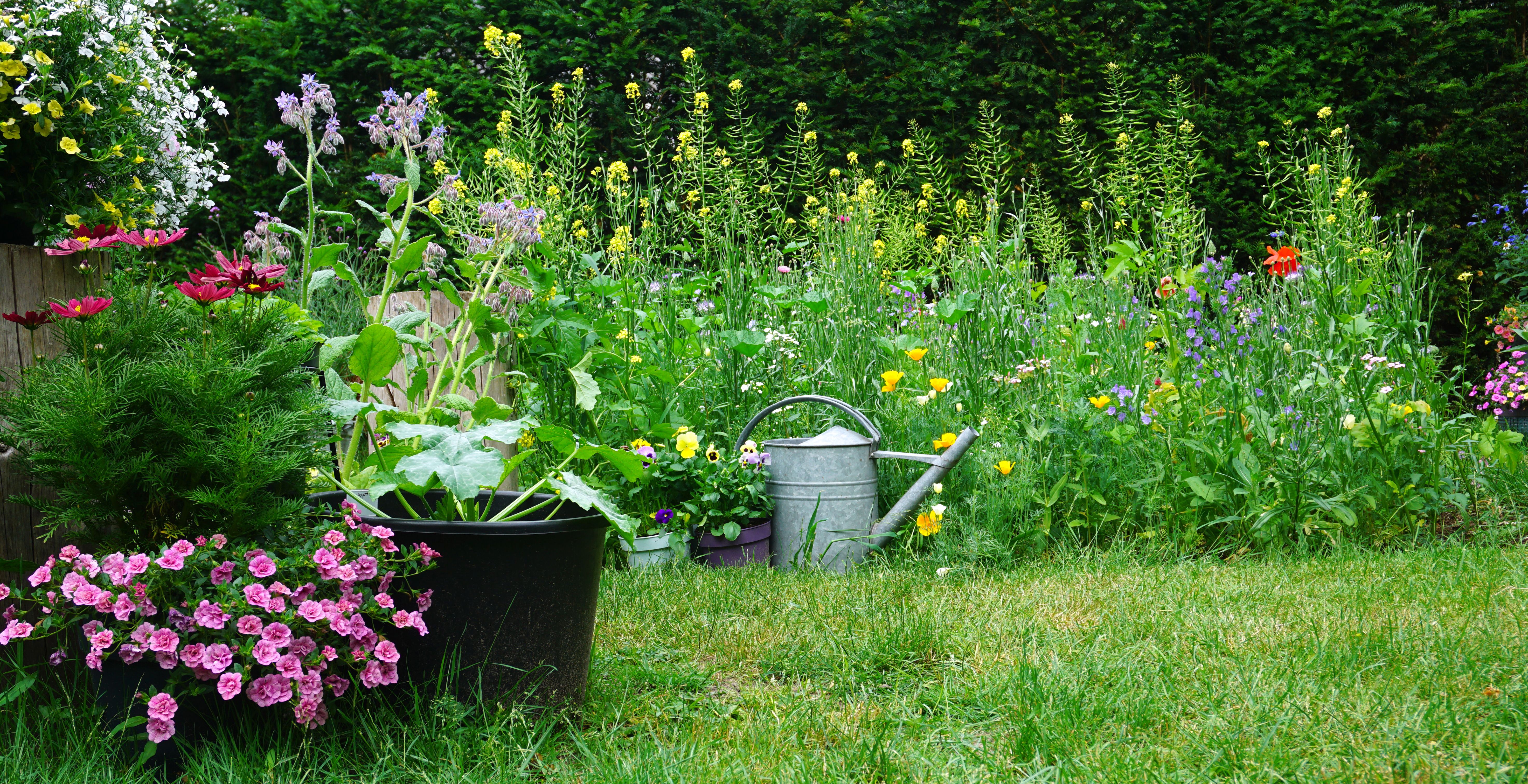
To further enhance your lawn's appeal to pollinators, consider incorporating a variety of plants that bloom at different times. This diversity ensures a steady food supply throughout the year.
Reduce or eliminate the use of pesticides and herbicides, as these chemicals can harm pollinators. Opt for natural pest control methods and focus on building healthy soil to support plant growth.
Conclusion
Creating a pollinator-friendly lawn with clover is a rewarding endeavor that benefits both the environment and your outdoor space. By making simple changes, you can support local ecosystems and enjoy a thriving garden filled with life.
Embrace the movement towards sustainable gardening practices and join the growing community of individuals committed to protecting our planet's precious pollinators.