Pollinator-Friendly Landscaping: How Clover Lawns Support Local Ecosystems


Understanding Pollinator-Friendly Landscaping
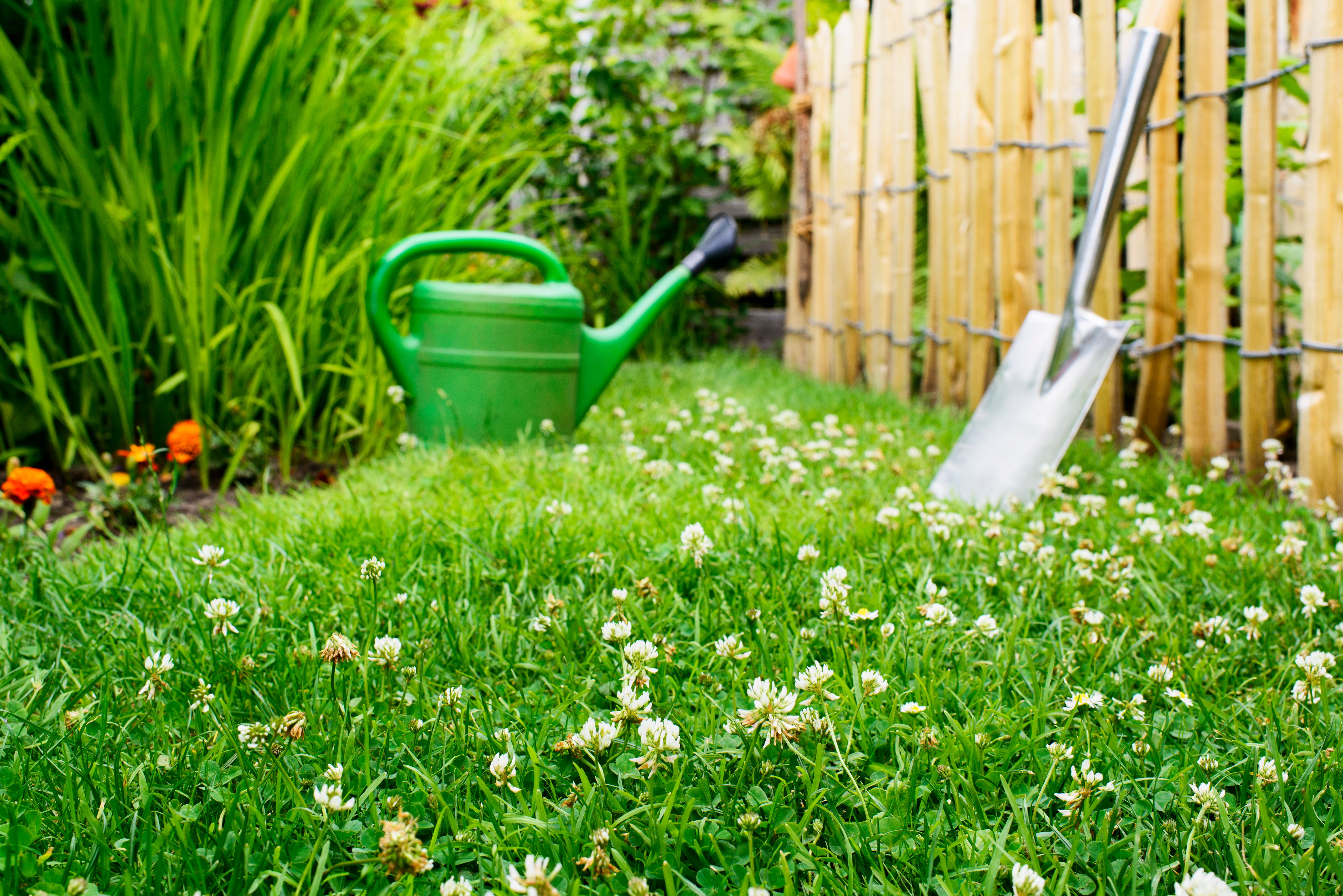
Pollinator-friendly landscaping is becoming increasingly popular as people recognize the importance of supporting local ecosystems. One innovative approach to this is the use of clover lawns. Unlike traditional grass lawns, clover provides a habitat and food source for pollinators, which are essential for maintaining biodiversity.
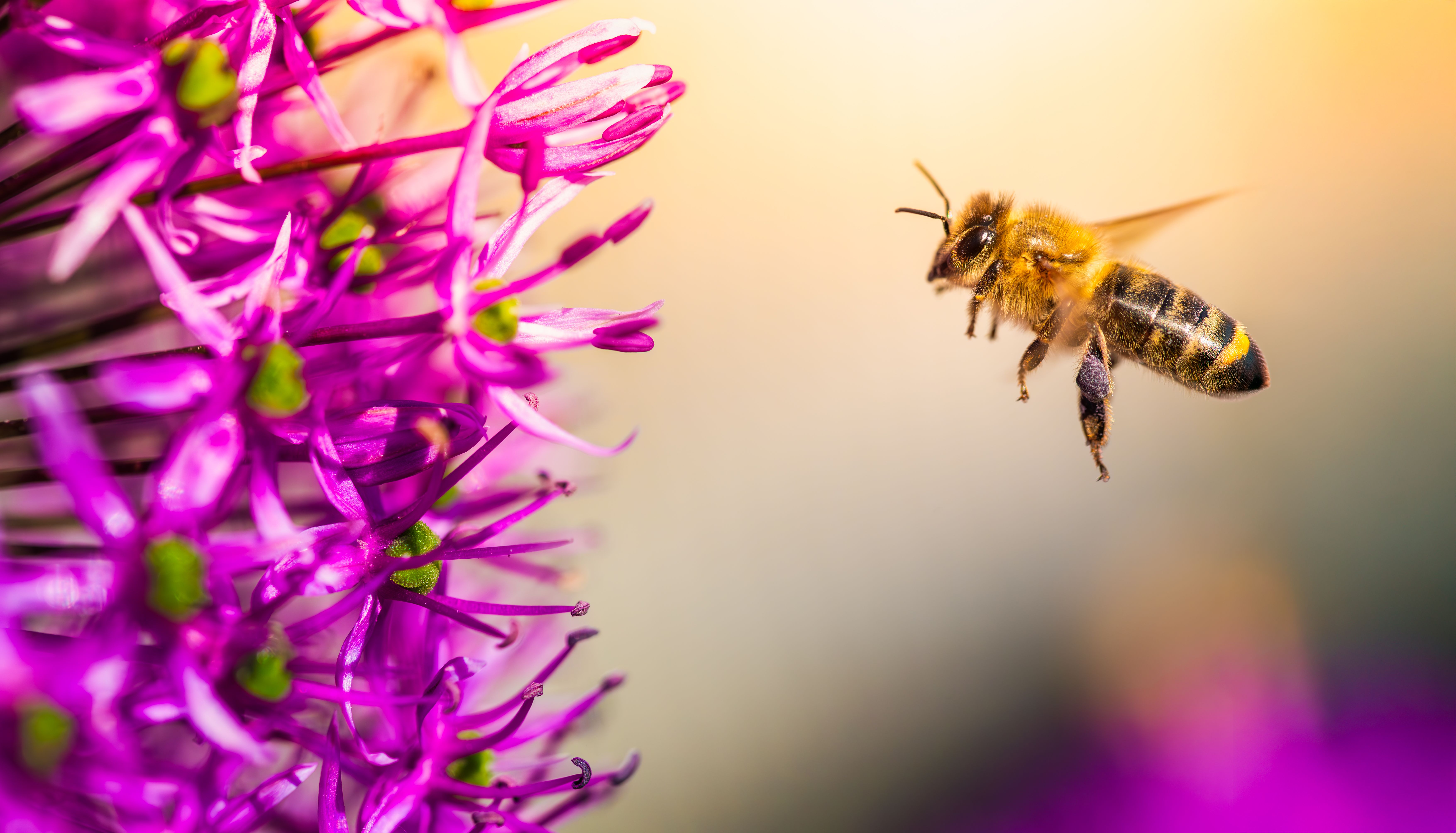
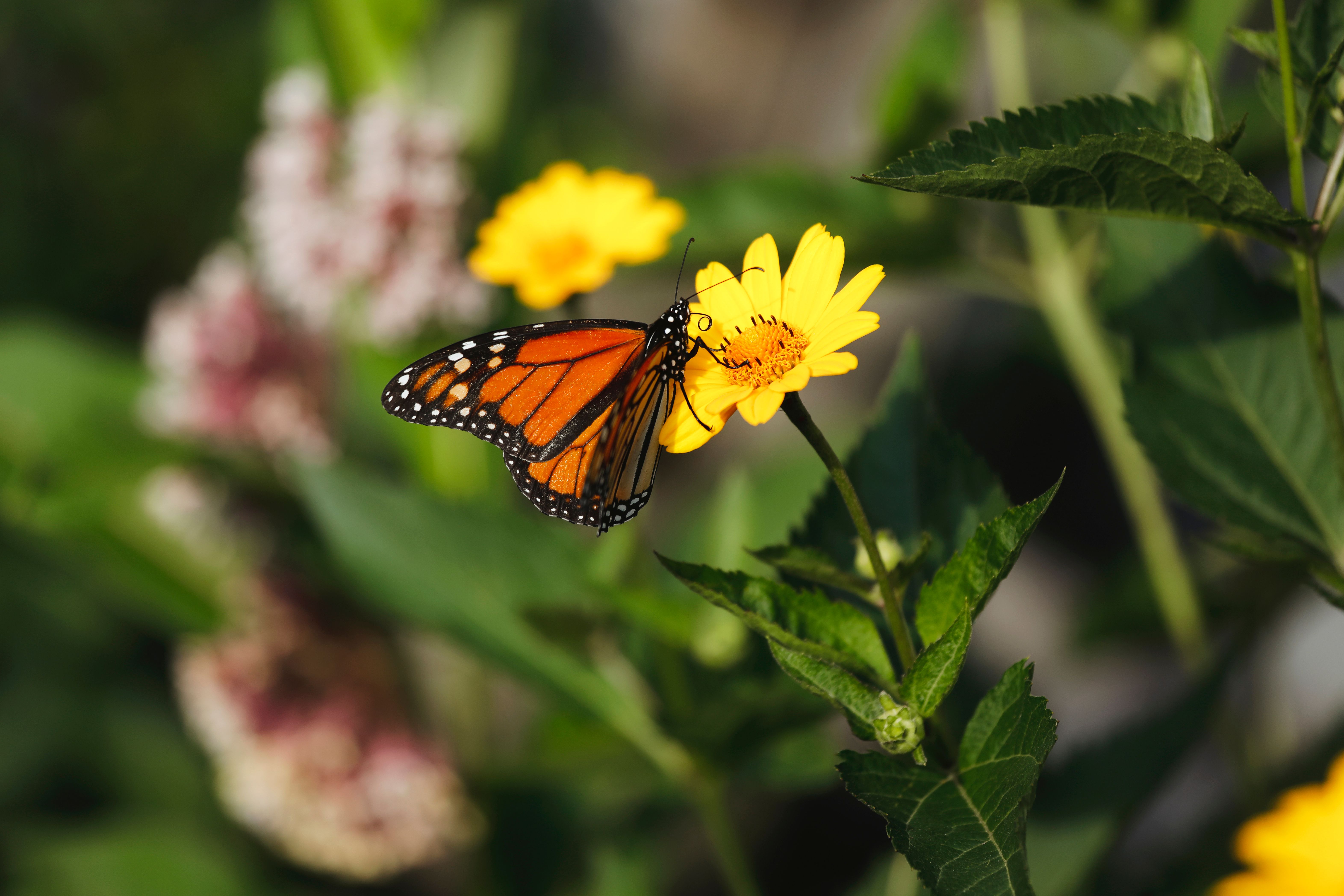
Clover lawns are not only aesthetically pleasing but also environmentally beneficial. They support bees, butterflies, and other pollinators, which play a crucial role in plant reproduction. By choosing clover, homeowners can create a sustainable and thriving outdoor space.
The Benefits of Clover Lawns
Low Maintenance and Cost-Effective
Clover lawns require less maintenance compared to conventional lawns. They are drought-resistant and need less water, which translates into lower water bills. Clover is also naturally pest-resistant, reducing the need for chemical pesticides that can harm pollinators.
Enriching Soil Health
Clover naturally enriches soil by fixing nitrogen, which improves soil fertility. This means less need for synthetic fertilizers, further reducing the environmental impact. Healthier soil supports a wider variety of plant life, enhancing the overall ecosystem.
How to Establish a Clover Lawn
Choosing the Right Clover
There are several clover varieties suitable for lawns, including white clover and microclover. White clover is popular for its hardiness, while microclover is smaller and blends well with grass. Choosing the right type depends on your specific needs and aesthetic preferences.
Planting and Maintenance Tips
Establishing a clover lawn involves preparing the soil, sowing seeds, and watering them until they establish. Once grown, clover lawns need mowing only a few times a year, as clover grows more slowly than grass. This low-maintenance aspect is one of the many reasons homeowners love clover lawns.
Supporting Local Ecosystems
By opting for a clover lawn, you're making a significant contribution to local ecosystems. Pollinators, which are crucial for the reproduction of 90% of flowering plants, benefit greatly from clover lawns. This support helps maintain the balance of local flora and fauna.
Moreover, clover lawns can become a community initiative. Neighbors working together to create pollinator-friendly environments can have a larger impact, promoting biodiversity and creating corridors for pollinators to thrive.
Conclusion
Incorporating clover into your landscape is a simple yet effective way to support pollinators and contribute to environmental sustainability. The benefits extend beyond your own yard, fostering a healthier ecosystem for all. Consider making the switch to a clover lawn and enjoy a beautiful, low-maintenance, and eco-friendly outdoor space.