How to Transition Your Grass Lawn to a Beautiful Clover Lawn


Why Choose Clover Over Grass?
Transitioning from a traditional grass lawn to a clover lawn offers numerous benefits. Clover is drought-resistant, requires less mowing, and is naturally pest-resistant. Additionally, it enriches the soil by fixing nitrogen, reducing the need for chemical fertilizers. These factors make clover an eco-friendly and low-maintenance alternative.
Preparing Your Lawn for Clover
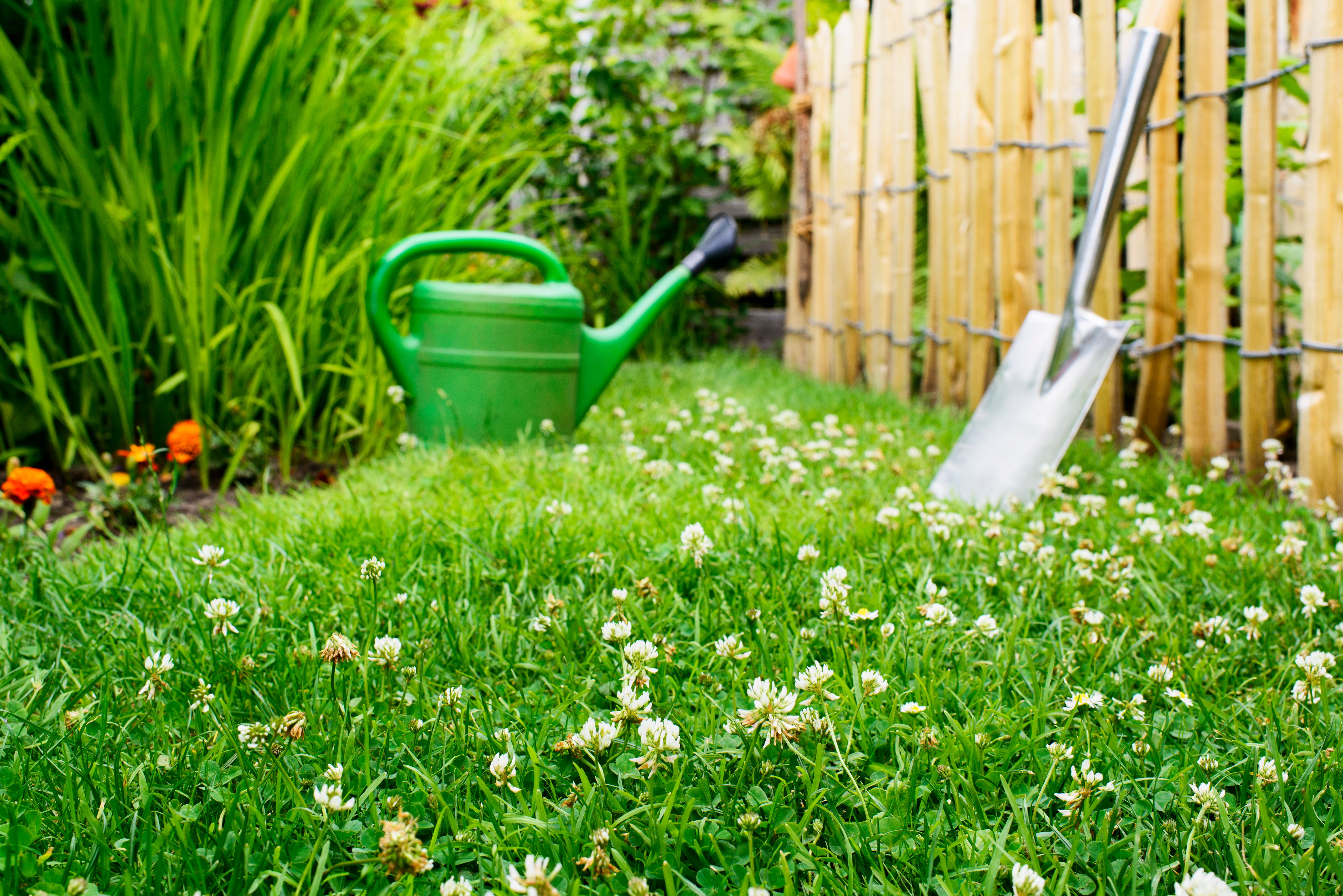
Before planting clover, it's crucial to prepare your lawn. Start by removing any weeds and debris from the area. This can be done by hand or with a weed killer. Next, mow your existing grass as short as possible without damaging the roots. This will give clover seeds better access to the soil.
Soil Testing and Amendments
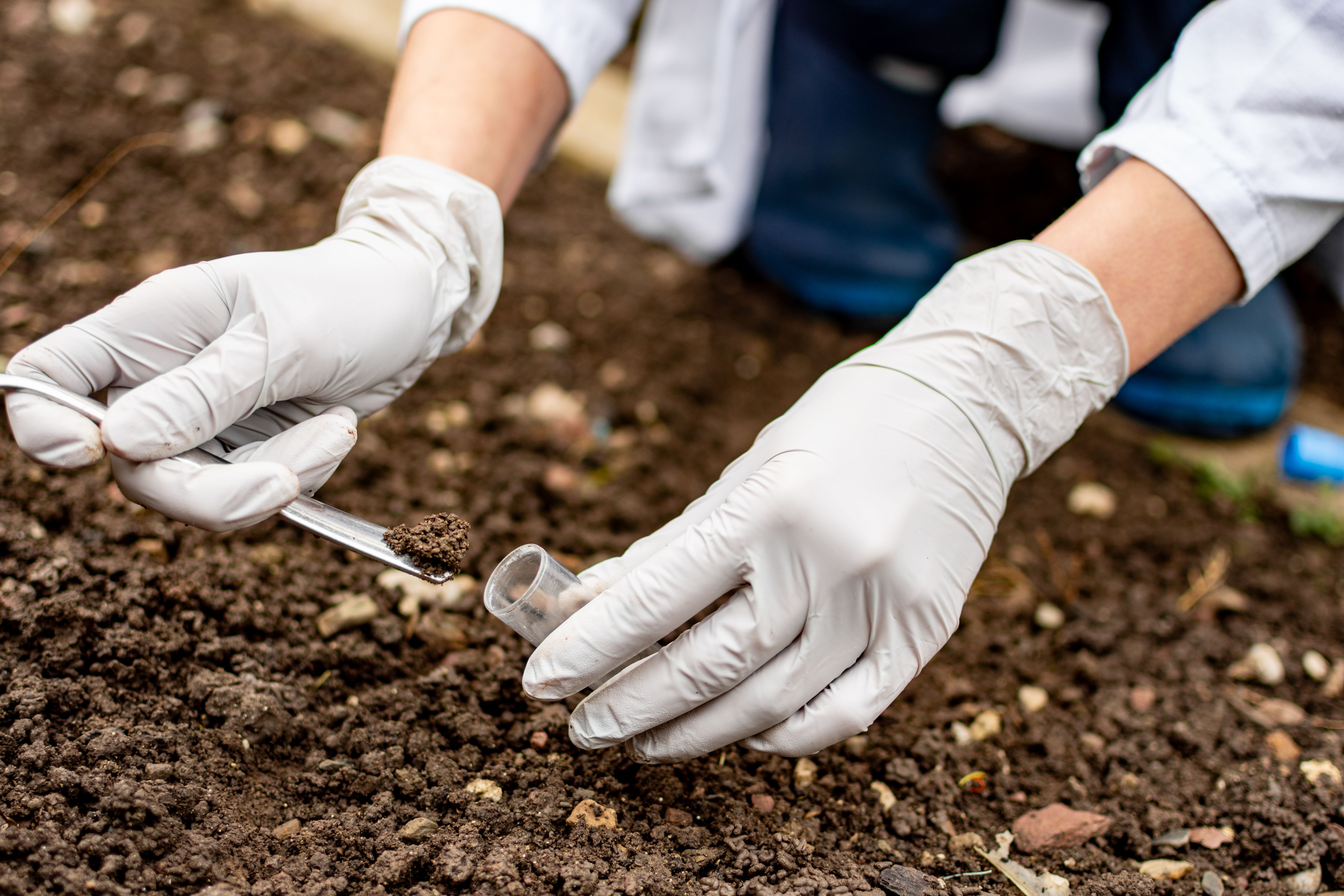
Conduct a soil test to determine its pH level. Clover prefers a slightly acidic to neutral pH, around 6.0 to 7.0. If necessary, amend the soil by adding lime to raise the pH or sulfur to lower it. Ensuring the right soil conditions will help your clover thrive.
Planting Clover Seeds
Once your lawn is prepared, it's time to plant the clover seeds. Choose a mix that suits your climate and lawn conditions. White clover is a popular choice for its resilience and lush appearance. Spread the seeds evenly over the lawn using a seed spreader or by hand.
Watering and Maintenance
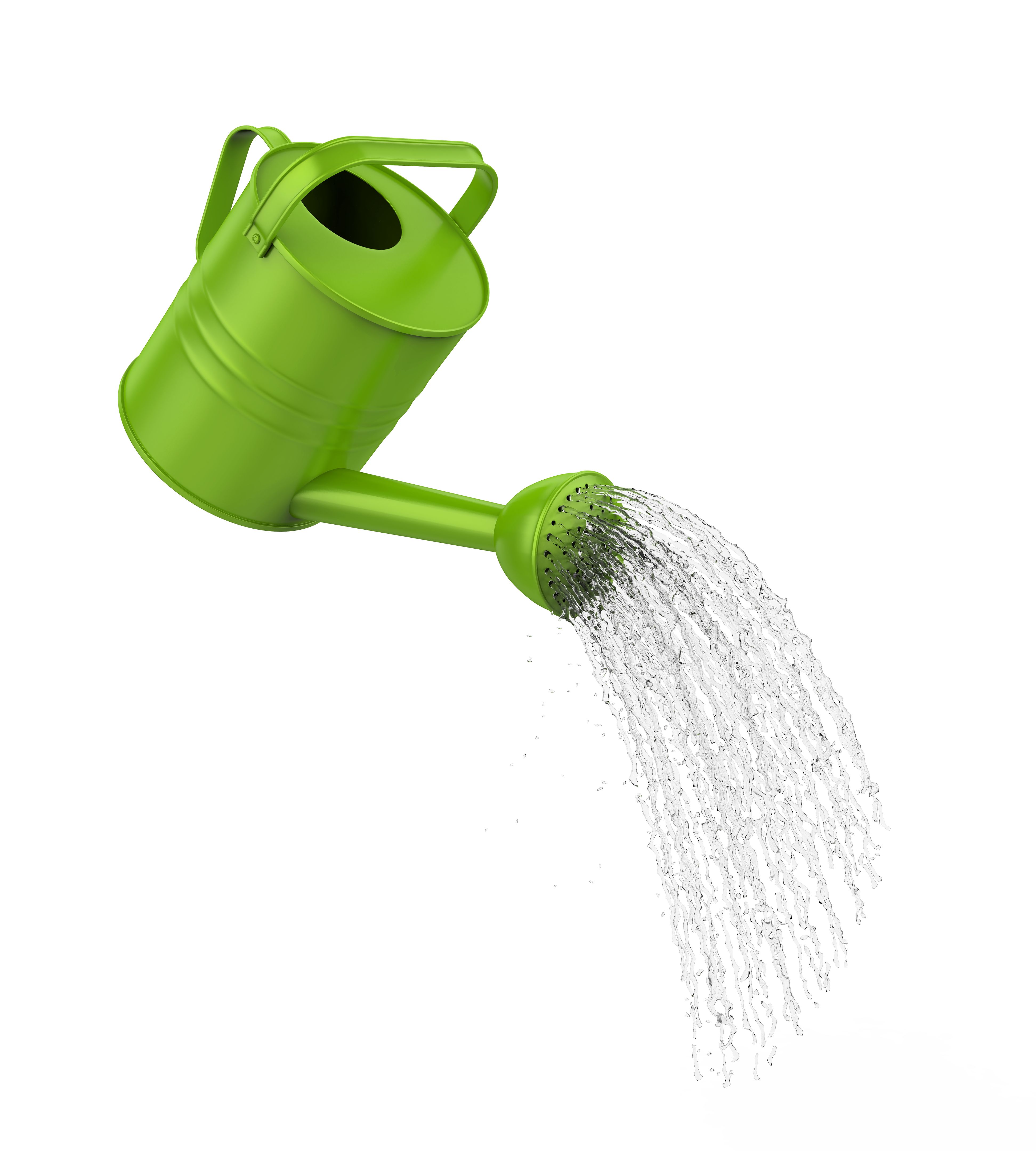
After planting, water the area lightly but regularly to keep the soil moist until the clover establishes. Clover requires less water compared to grass, so once established, you can reduce the frequency of watering. Remember, over-watering can lead to root rot.
Long-Term Care for Your Clover Lawn
Clover lawns are low-maintenance, but they still benefit from occasional care. Mow the lawn to a height of about 3 inches to keep it tidy and encourage new growth. Fertilization is typically unnecessary, as clover naturally enriches the soil with nitrogen.
Dealing with Pests and Diseases
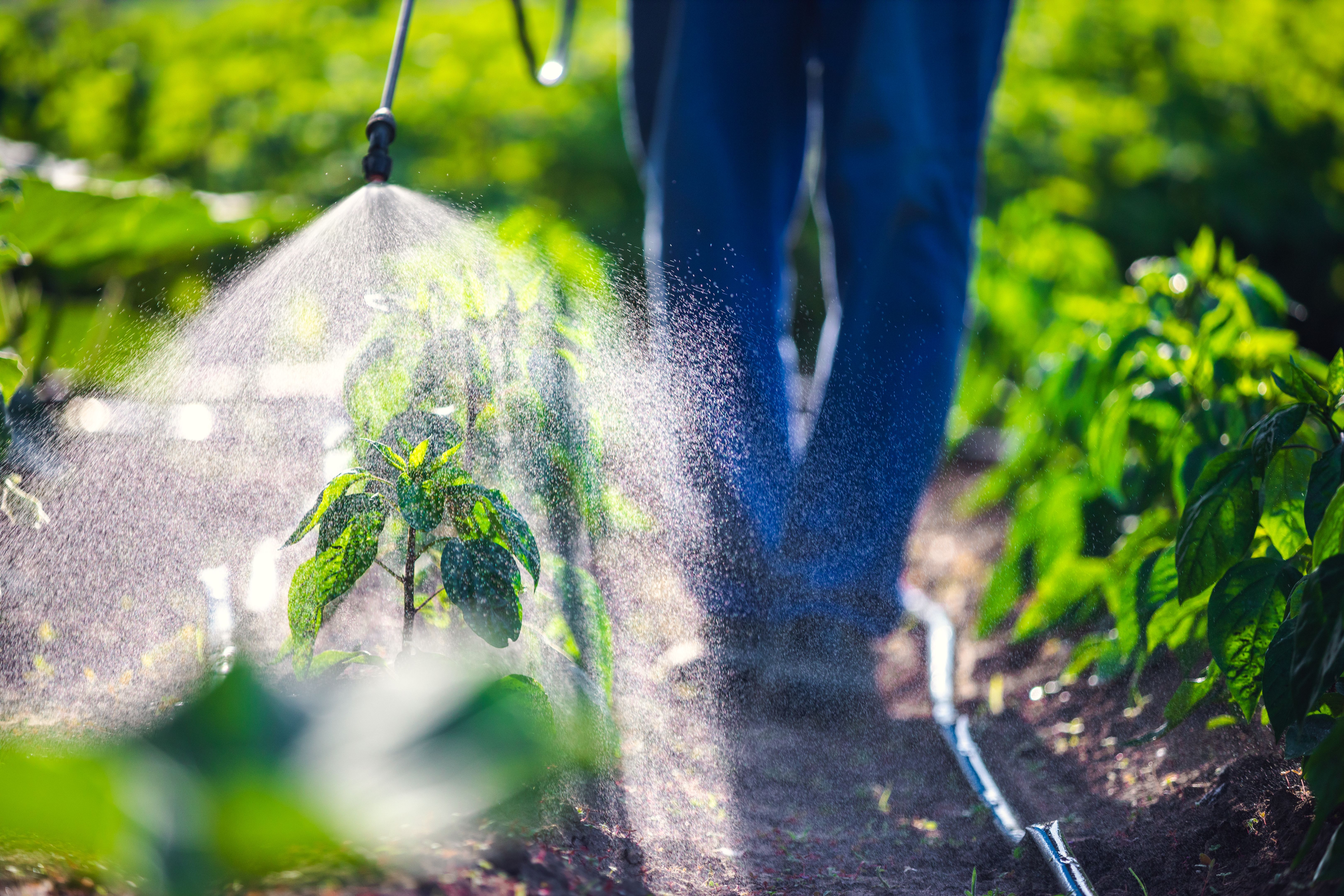
One of the advantages of clover is its resistance to common lawn pests. However, if you encounter issues, avoid chemical pesticides. Instead, opt for natural solutions like neem oil or insecticidal soap to protect your lawn without harming the environment.
Embrace the Beauty of Clover
By transitioning to a clover lawn, you'll not only enjoy a lush, green outdoor space but also contribute to a healthier environment. With its minimal maintenance needs and environmental benefits, a clover lawn is a beautiful and sustainable choice for any homeowner.