Expert Insights: Designing Your Perfect Clover Lawn


Understanding Clover Lawns
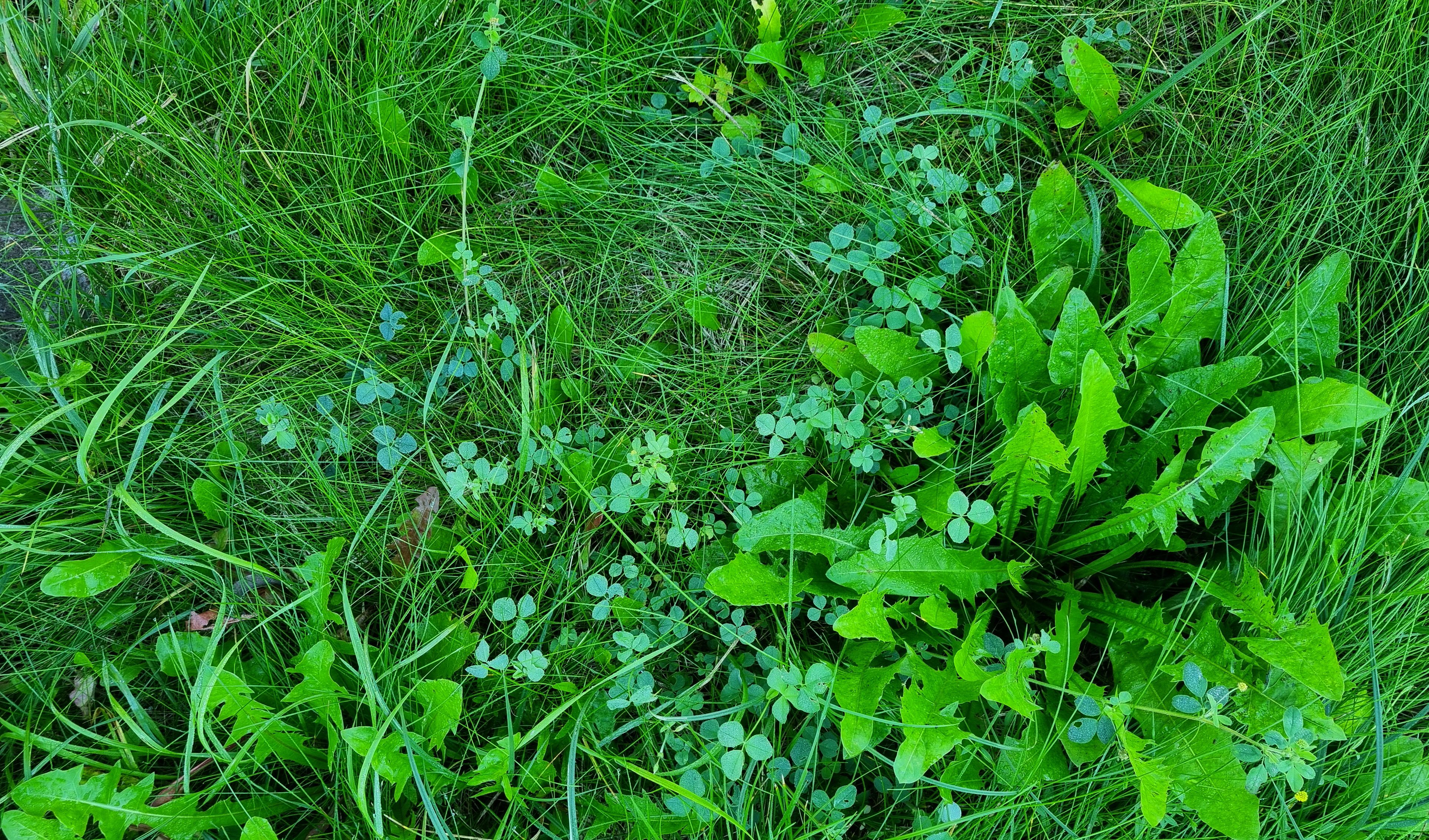
In recent years, clover lawns have gained popularity as an eco-friendly alternative to traditional grass lawns. Clover is a resilient plant that offers a lush, green appearance while requiring less maintenance. Its ability to fix nitrogen from the air enriches the soil, reducing the need for chemical fertilizers.
Choosing a clover lawn means embracing a more sustainable lifestyle. It's an excellent choice for those looking to reduce their environmental footprint. Clover is drought-tolerant, requiring less water than traditional grass, and it stays green even in the hottest months.
Benefits of Clover Lawns
Low Maintenance
One of the greatest advantages of clover lawns is their low maintenance needs. Clover grows well in different soil types and requires minimal mowing. It naturally repels pests, which means you can avoid using harmful pesticides.
Cost-Effective
Switching to a clover lawn can save you money in the long run. With reduced water usage and no need for fertilizers and pesticides, your monthly lawn care expenses will decrease. Plus, clover seeds are generally inexpensive compared to grass seed varieties.

Designing Your Clover Lawn
Selecting the Right Clover
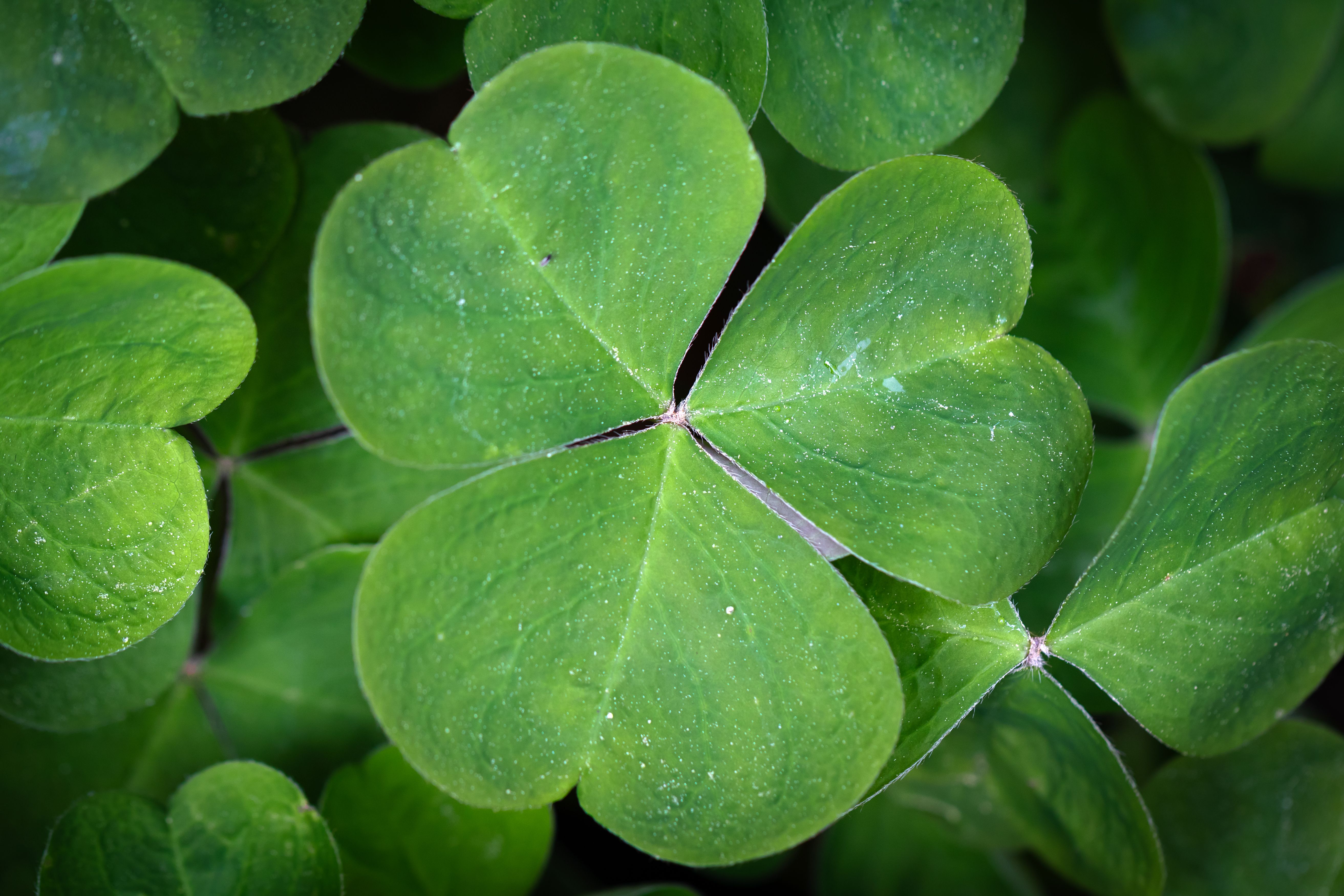
When designing your clover lawn, it's important to choose the right type of clover. White clover is the most common choice for lawns due to its aesthetic appeal and hardiness. However, microclover is also popular for its smaller leaves and denser growth pattern.
Preparation and Planting
Preparing the soil is a crucial step in establishing a successful clover lawn. Begin by removing any existing grass and weeds, then loosen the soil to improve aeration. Mixing clover seeds with sand before sowing can help distribute them evenly.
Maintaining Your Clover Lawn
Watering and Mowing
Clover lawns require less water than traditional lawns, but during dry spells, occasional watering may be necessary. Mow your clover lawn infrequently, allowing it to grow slightly taller than grass. This will help it retain moisture and suppress weeds.
Dealing with Weeds
While clover is naturally weed-resistant, some weeds may still appear. Regularly inspecting your lawn and hand-pulling any weeds can keep your clover lawn looking pristine. Avoid using herbicides, as they can harm the clover.

Conclusion
Designing a clover lawn is a rewarding endeavor that brings numerous environmental and cost benefits. By selecting the right clover, preparing your soil, and maintaining your lawn with minimal effort, you can enjoy a sustainable and beautiful outdoor space. Embrace the clover lawn trend and contribute to a greener planet!