Expert Insights: Designing a Clover Lawn That Enhances Your Property


Introduction to Clover Lawns
As homeowners seek sustainable and low-maintenance landscaping options, clover lawns are gaining popularity. These eco-friendly alternatives to traditional grass offer numerous benefits, including reduced water usage and minimal mowing. By integrating clover into your landscaping, you can create a lush, green space that enhances the aesthetic appeal of your property.
Clover lawns are not only visually appealing but also beneficial for the environment. They contribute to soil health and support local biodiversity. If you're considering a clover lawn, understanding the design and maintenance aspects is crucial for success.
Choosing the Right Clover Variety
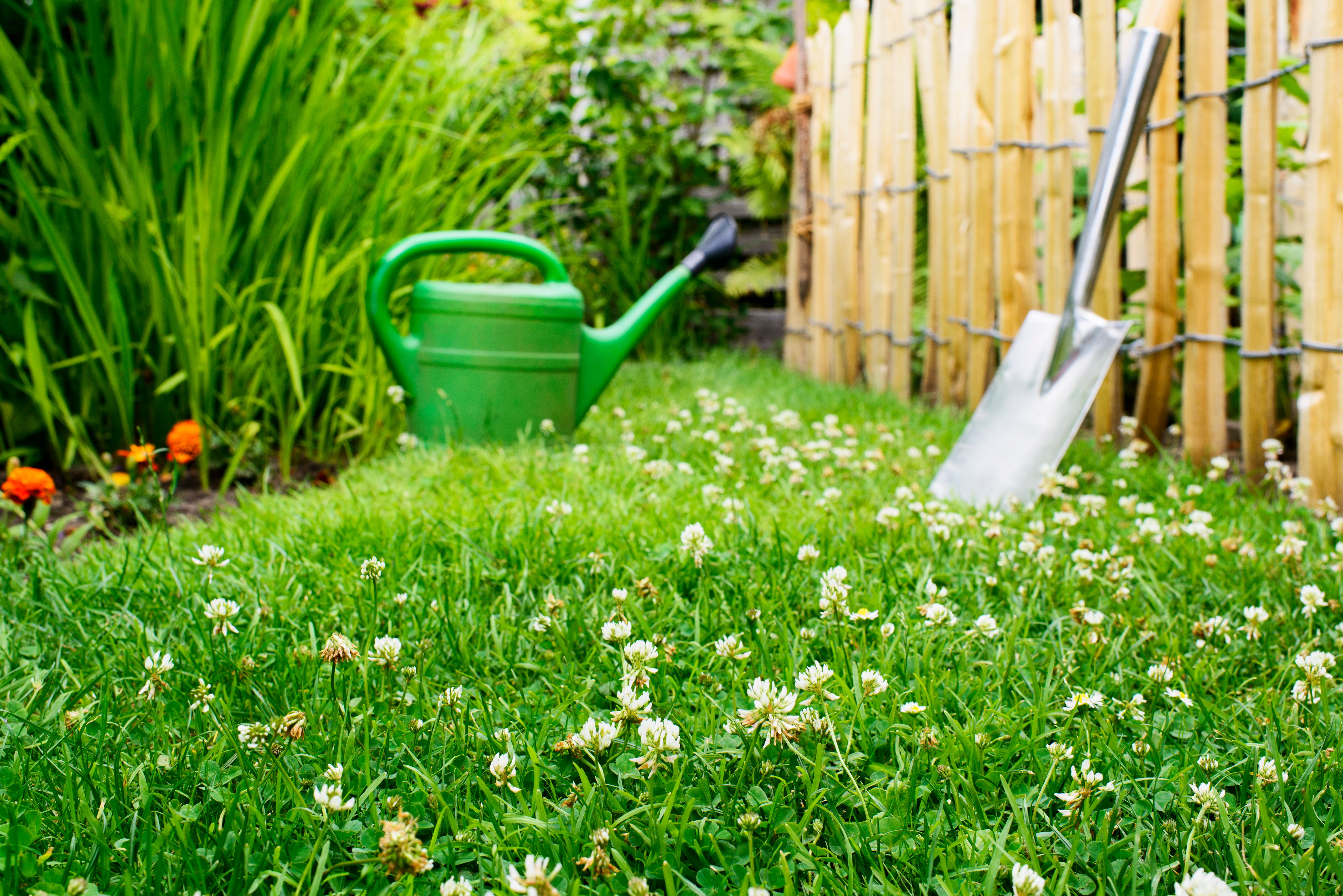
One of the first steps in designing a clover lawn is selecting the appropriate clover variety. Common choices include white clover and microclover. White clover is known for its resilience and ability to thrive in various conditions, while microclover offers a more refined appearance with smaller leaves and a denser growth pattern.
When selecting a clover variety, consider factors such as climate, soil type, and the desired aesthetic. Consulting with a local horticulturist or landscaping expert can provide valuable insights into the best choice for your region.
Benefits of Clover Lawns
Clover lawns offer several advantages that make them an attractive option for homeowners:
- Low Maintenance: Clover requires less frequent mowing than traditional grass, reducing upkeep time and costs.
- Drought Tolerance: Clover is more resilient to dry conditions, making it ideal for areas with water restrictions.
- Natural Fertilization: Clover naturally enriches the soil by fixing nitrogen, reducing the need for chemical fertilizers.
Designing Your Clover Lawn
When planning your clover lawn, consider the layout and integration with existing landscaping elements. Start by sketching a rough design, taking into account pathways, flower beds, and any other features you wish to incorporate.
One popular approach is to mix clover with grass to create a hybrid lawn. This not only enhances the visual appeal but also improves the lawn's resilience. Aim for a 5-10% clover mix for optimal results. This combination provides a soft, lush ground cover that is both practical and beautiful.
Planting and Maintenance Tips
After designing your clover lawn, the next step is planting. Begin by preparing the soil, ensuring it is well-drained and free of weeds. Sow the clover seeds evenly, and lightly rake them into the soil to promote germination.
Once established, clover lawns require minimal maintenance. Watering is typically only necessary during prolonged dry spells. Mowing can be done less frequently than with traditional grass, often just a few times a year.

Enhancing Curb Appeal
Clover lawns can significantly boost your property's curb appeal. The rich green color and dense growth create an inviting look that complements various architectural styles. Additionally, clover blooms produce small white or pink flowers, adding a touch of seasonal beauty.
For an added layer of interest, consider incorporating native plants and flowers around your clover lawn. This not only enhances visual appeal but also supports local wildlife, including pollinators like bees and butterflies.
Conclusion
Designing a clover lawn is a rewarding endeavor that offers both environmental and aesthetic benefits. By carefully selecting the right clover variety and integrating it thoughtfully into your landscape, you can create a beautiful, sustainable lawn that enhances your property's value and charm.
Embrace the trend of clover lawns and enjoy a greener, more eco-friendly outdoor space.