DIY Clover Lawn Installation: A Beginner's Guide


Why Choose a Clover Lawn?
Transforming your yard into a lush, green paradise can be both rewarding and environmentally friendly. A clover lawn is a popular choice due to its low maintenance and ecological benefits. Not only does clover require less water than traditional grass, but it also enriches the soil with nitrogen, reducing the need for fertilizers. Plus, it's soft underfoot and appealing to the eye.
Getting Started: Selecting the Right Clover
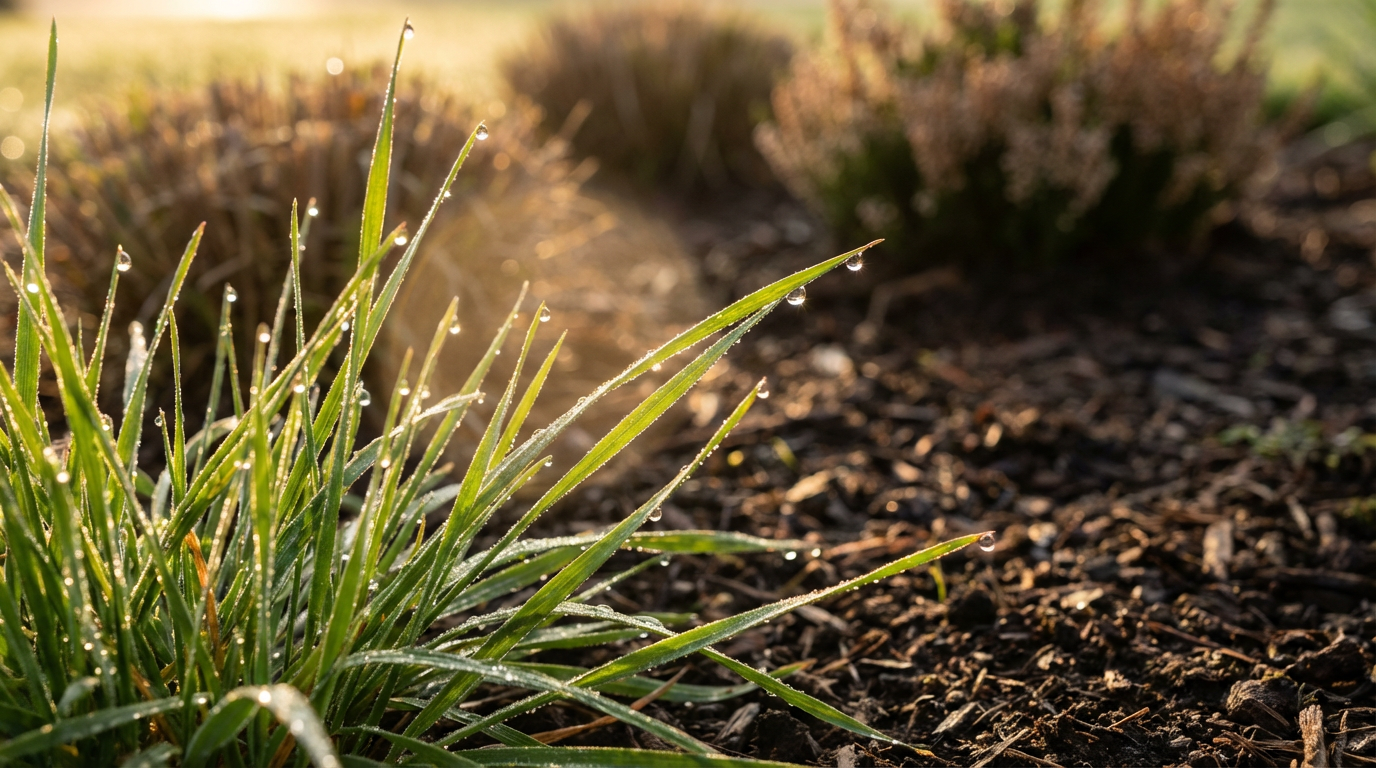
Before you begin, it's essential to choose the right type of clover for your lawn. The most common option is white clover, known for its resilience and ability to thrive in various climates. Consider your local environment and consult with a local nursery if you're unsure which variety will best suit your needs.
Tools and Materials You'll Need
Gathering the right tools and materials is crucial for a successful DIY clover lawn installation. Here's what you'll need:
- Clover seeds
- Rake
- Garden hose or sprinkler system
- Soil test kit
- Fertilizer (optional)
Preparing the Soil
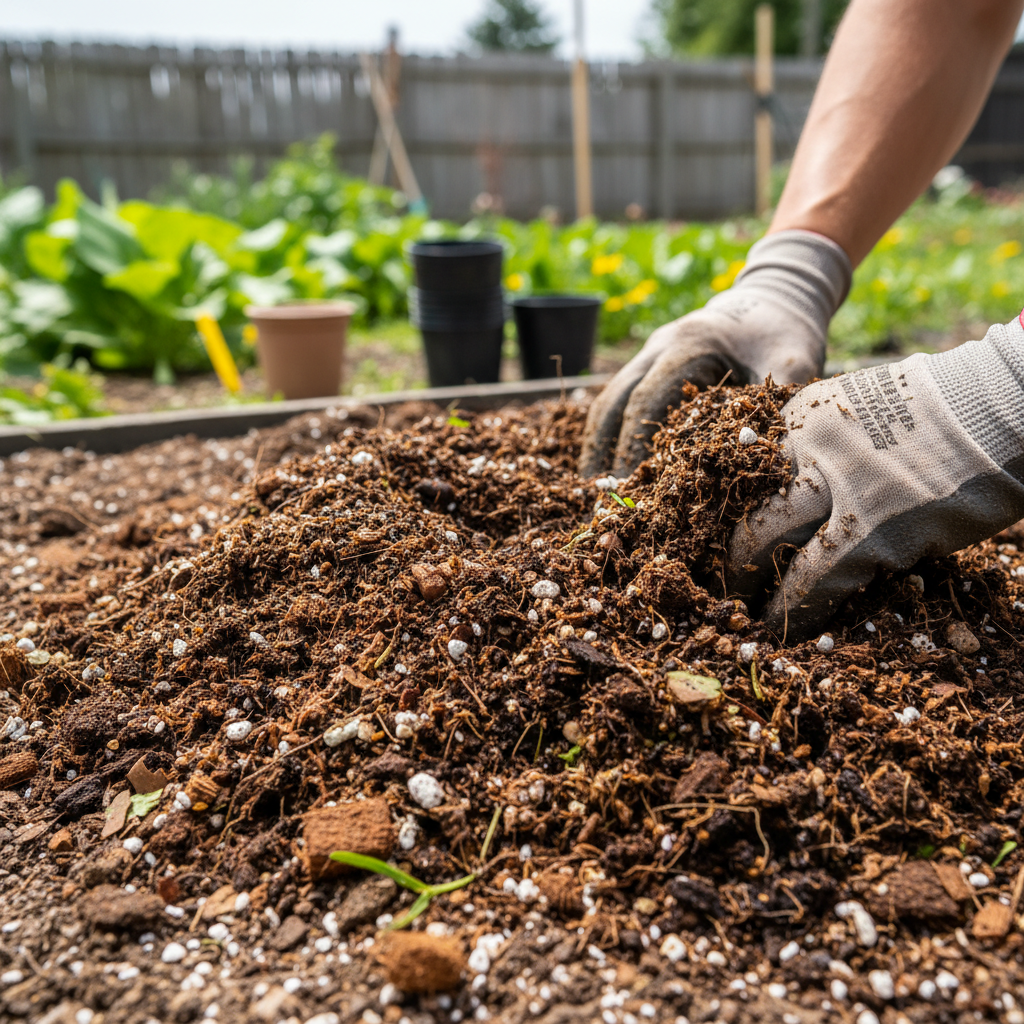
Proper soil preparation is key to ensuring that your clover lawn thrives. Start by testing your soil's pH level; clover prefers slightly acidic to neutral soil. Use a rake to remove any debris and loosen the top layer of soil, allowing the seeds to embed easily. If necessary, adjust the pH with lime or sulfur.
Sowing the Clover Seeds
Once your soil is ready, it's time to sow the clover seeds. For even coverage, mix the seeds with sand or soil and broadcast them over the area. Lightly rake the seeds into the soil, ensuring good seed-to-soil contact. Water the area gently to help the seeds settle.
Watering and Maintenance
After planting, water the seeds lightly but consistently to keep the soil moist. Clover is drought-resistant once established, but young seedlings require regular watering. Over time, reduce the frequency as the clover matures.
Dealing with Weeds and Pests
Clover naturally suppresses weeds, but some may still emerge. Hand-pull any unwanted plants to prevent them from taking over. As for pests, clover is relatively pest-resistant, but keep an eye out for any signs of trouble and address them promptly.
Enjoying Your New Clover Lawn
With minimal maintenance, your clover lawn will flourish into a vibrant and sustainable landscape. Not only will you enjoy its beauty, but you'll also appreciate its environmental benefits. A clover lawn is an excellent choice for those looking to create a more sustainable and low-maintenance yard.
Conclusion
Installing a DIY clover lawn is a straightforward and rewarding project for beginners. By following these steps and maintaining your lawn with care, you can enjoy a beautiful, eco-friendly yard that supports local biodiversity.