Designing Your Perfect Clover Lawn: Expert Tips and Ideas


Why Choose Clover for Your Lawn?
In recent years, clover lawns have gained popularity due to their numerous benefits. Unlike traditional grass lawns, clover requires less water, fertilizer, and mowing. This makes it an environmentally friendly and low-maintenance option.
Clover is also known for its ability to fix nitrogen in the soil, which means it can naturally enrich the ground, reducing the need for chemical fertilizers. If you're looking for a lush, green lawn that's both beautiful and sustainable, clover might be the perfect choice for you.
Types of Clover for Your Lawn
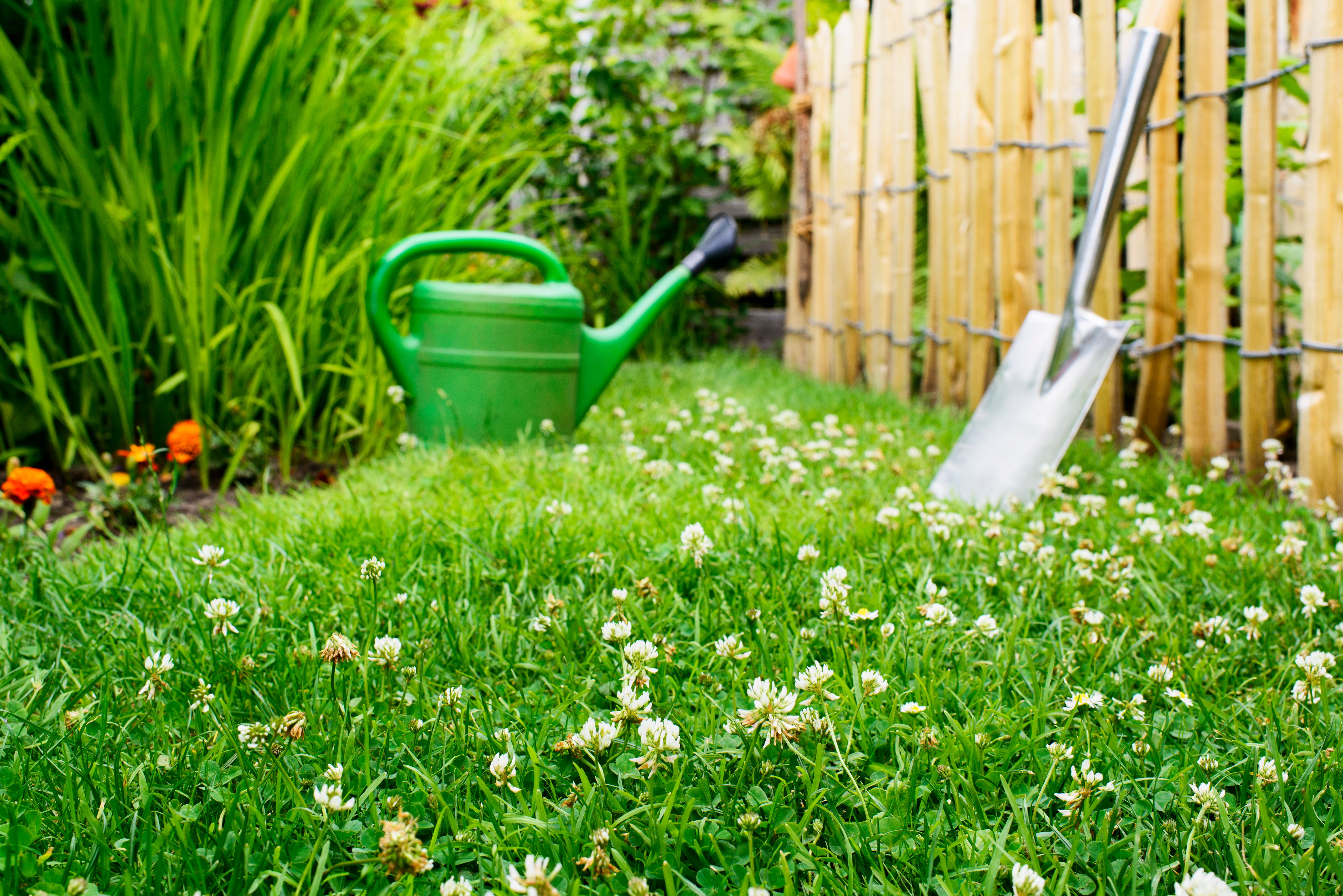
When designing a clover lawn, one of the first decisions you'll need to make is choosing the right type of clover. The most popular options are Dutch white clover and micro clover. Both offer unique benefits and can be selected based on your specific preferences and climate conditions.
Dutch white clover is hardy, tolerant of different soil types, and produces small white flowers. Micro clover, on the other hand, has smaller leaves and produces fewer flowers, making it a great choice for those who prefer a more uniform appearance.
Preparing Your Soil
Before planting clover, it's essential to prepare your soil properly. Start by removing any existing grass and weeds, as these can compete with clover for nutrients and water. You may also want to test the soil's pH level. Clover thrives in slightly acidic to neutral soil, with a pH of around 6.0 to 7.0.
If necessary, amend your soil with lime to adjust the pH level or add organic matter to improve soil structure and fertility. This preparation will help ensure that your clover lawn establishes quickly and grows healthily.

Planting Your Clover Lawn
Once your soil is prepared, it's time to plant your clover. The best time to sow clover seeds is during the early spring or late summer. These periods provide optimal growing conditions, with moderate temperatures and sufficient rainfall.
To plant the seeds, evenly distribute them across the soil surface and gently rake them in. Water the area lightly to help the seeds settle into the soil. It's crucial to keep the soil consistently moist until the clover is well-established.
Maintaining Your Clover Lawn
One of the main advantages of a clover lawn is its low maintenance requirements. Clover typically requires less frequent mowing than grass, and it stays green even during dry spells. However, regular mowing can help maintain a tidy appearance and promote denser growth.
Since clover naturally enriches the soil, it usually doesn't require additional fertilizer. However, if the lawn appears thin or lacks vibrancy, a light application of an organic fertilizer can help boost its health.

Enhancing Your Clover Lawn
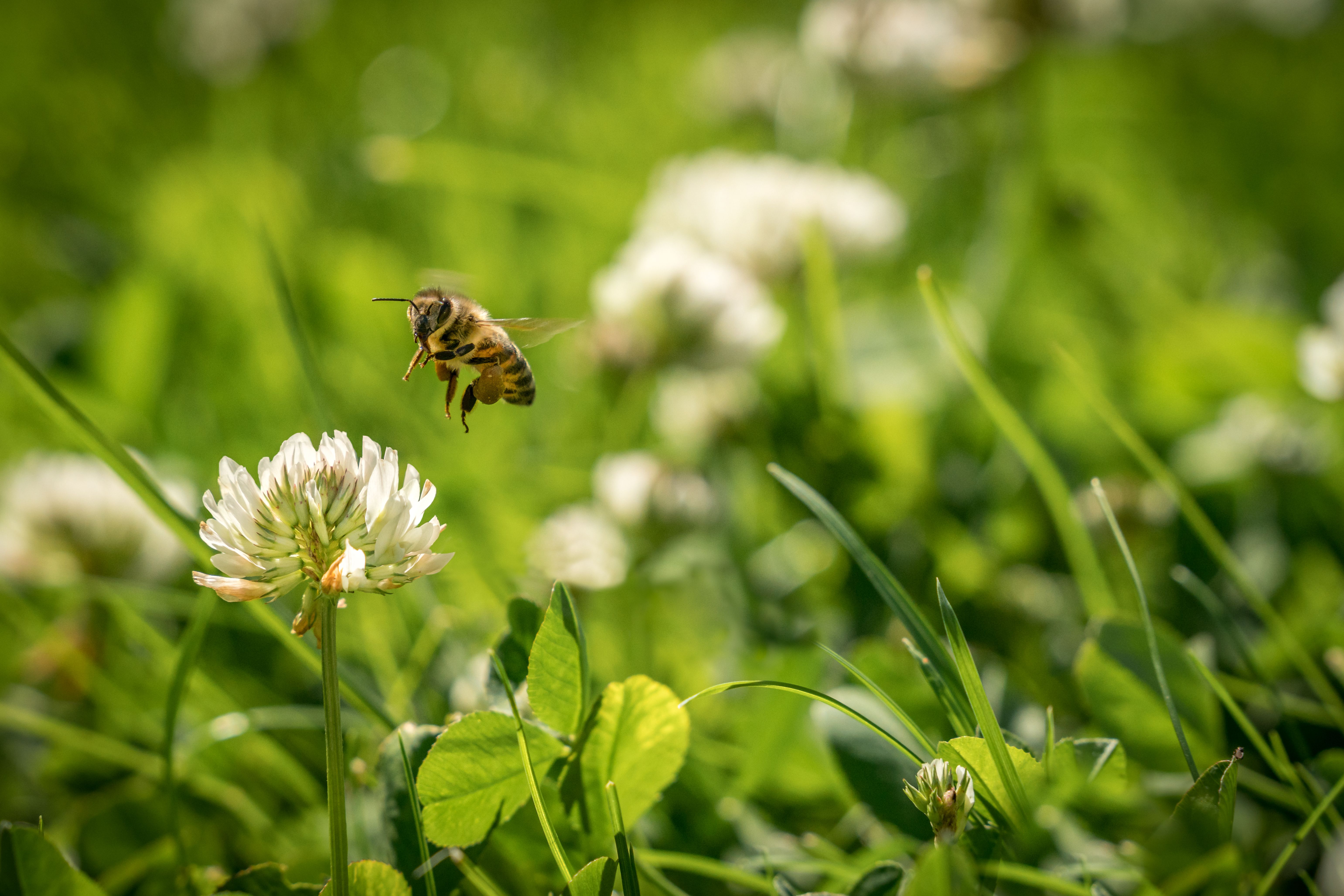
To further enhance the beauty of your clover lawn, consider incorporating other elements. Adding wildflowers can create a colorful and diverse landscape, attracting beneficial pollinators like bees and butterflies.
You can also create pathways using stepping stones or gravel to add texture and functionality to your lawn. This not only enhances the aesthetic appeal but provides practical routes through your garden.
Addressing Common Concerns
Some homeowners worry about the presence of bees due to clover's small flowers. If this is a concern, opt for micro clover, which produces fewer flowers, or mow regularly to keep flowers at bay.
Another common concern is weed invasion. Clover's dense growth habit can help suppress weeds, but if weeds become a problem, manual removal or spot treatment with natural herbicides can be effective solutions.
Conclusion
Designing your perfect clover lawn involves selecting the right type of clover, preparing the soil, and maintaining it with minimal effort. By following these expert tips and ideas, you can create a lawn that's not only beautiful but also kind to the environment.
Embrace the unique advantages of clover, and enjoy a lush, green space that's both sustainable and visually appealing. Whether you're starting from scratch or converting an existing lawn, clover could be the perfect fit for your garden.