Designing Your Dream Clover Lawn: Expert Tips and Insights


Introduction to Clover Lawns
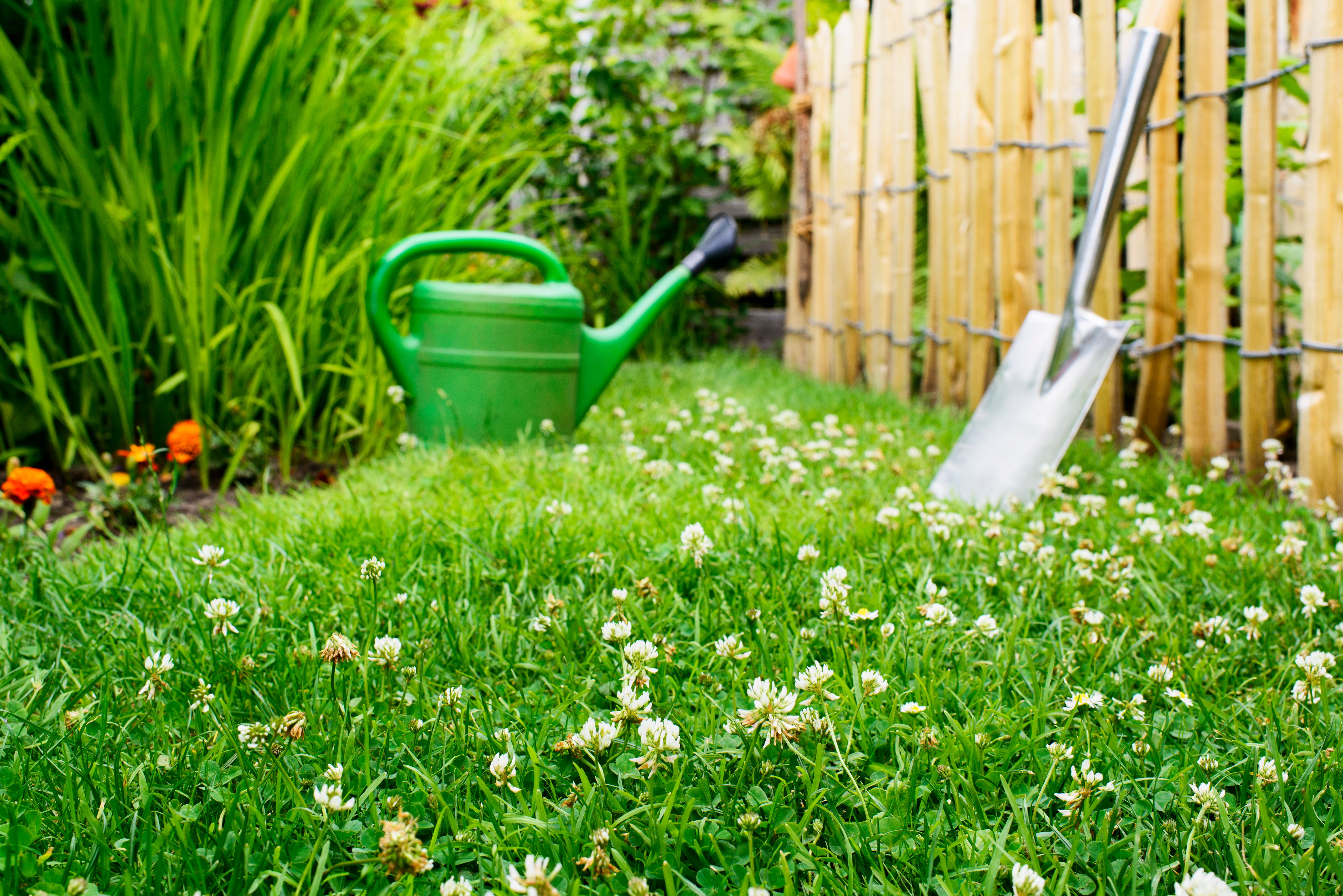
In recent years, clover lawns have gained popularity as a sustainable and low-maintenance alternative to traditional grass lawns. Clover, particularly white clover, is not only visually appealing but also environmentally beneficial. Its ability to fix nitrogen in the soil reduces the need for chemical fertilizers, making it an eco-friendly choice for homeowners looking to create a green oasis.
Benefits of Choosing Clover
One of the primary advantages of clover lawns is their resilience. Clover is drought-tolerant and requires less water compared to conventional grass, which can significantly reduce your water bill. Furthermore, clover is resistant to most pests and diseases, minimizing the need for pesticides.
Another benefit of clover is its soft texture. Walking barefoot on a clover lawn feels like a natural massage, adding to its charm. Additionally, clover blooms with small white flowers, providing a habitat for pollinators like bees, which is crucial for maintaining biodiversity.
Planning Your Clover Lawn
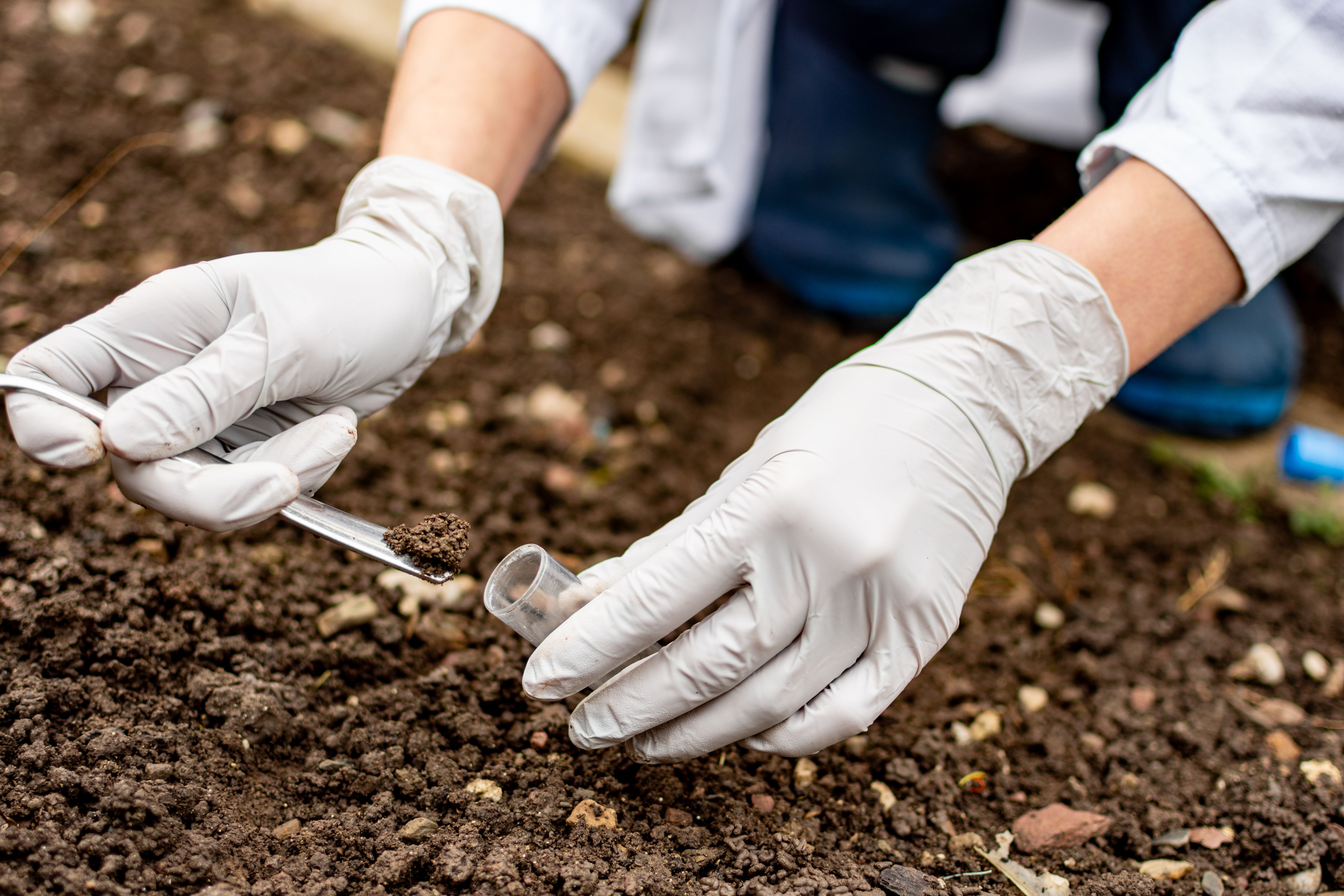
Before planting clover, it's essential to assess the condition of your soil. Clover thrives in a variety of soil types, but it prefers slightly acidic to neutral pH levels. Conduct a soil test to determine its pH and adjust accordingly using lime or sulfur if needed.
Next, consider the layout and size of your lawn. Clover can be grown as a standalone lawn or mixed with grass for a more traditional look. Decide on the proportion that suits your aesthetic preferences and practical needs.
Planting Clover
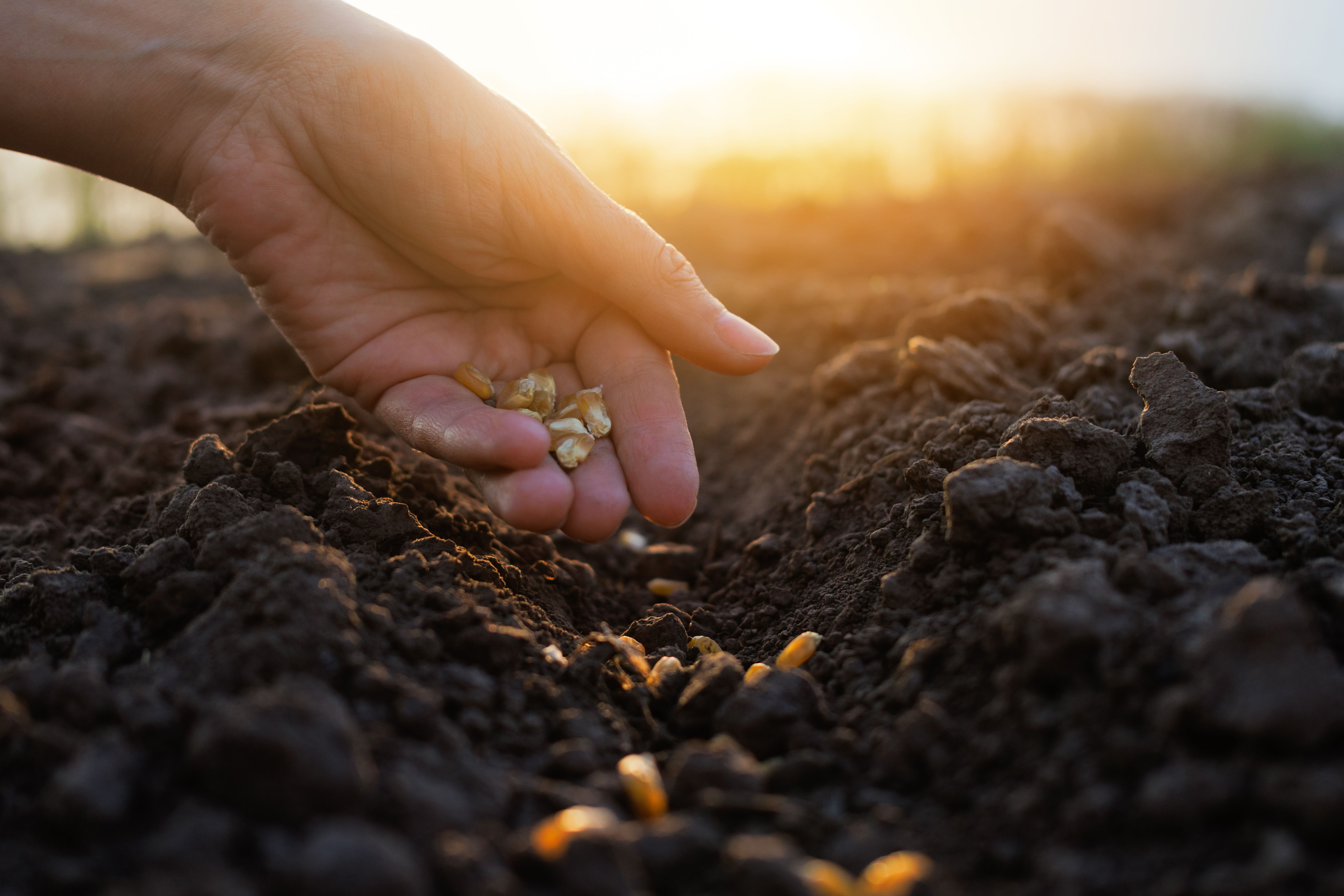
Planting clover is a straightforward process. First, prepare the soil by removing weeds and debris. Then, use a rake to loosen the top layer of soil. Clover seeds are small, so mix them with sand or sawdust to ensure even distribution.
Spread the seeds evenly across the prepared area and gently rake them into the soil. Water the area lightly to help the seeds settle. Clover germinates quickly, and you should see sprouts within a few weeks.
Maintenance Tips
Clover lawns require minimal maintenance compared to traditional grass. They rarely need mowing, but if you prefer a manicured look, mow the clover to a height of about 3 inches. This height helps maintain its health and encourages growth.
Watering is only necessary during extended dry spells, as clover is drought-resistant. Fertilizing is generally unnecessary, but if you choose to, opt for a low-nitrogen fertilizer to avoid overwhelming the plants.
Conclusion: Transform Your Lawn
Designing a clover lawn is an excellent way to enhance your outdoor space while promoting sustainability. With its numerous benefits and low-maintenance requirements, clover offers a practical and eco-friendly solution. By following these expert tips, you can create a lush, green haven that not only looks beautiful but also supports the environment.