Debunking Myths About Clover Lawns


As eco-friendly gardening gains popularity, clover lawns are emerging as a sustainable alternative to traditional grass lawns. However, many misconceptions surround this trend, causing some homeowners to hesitate. In this post, we will debunk common myths about clover lawns and explore why they might be the perfect choice for your yard.
Myth 1: Clover Lawns Attract More Pests
One prevalent myth is that clover lawns attract more pests than grass lawns. In reality, clover can actually help repel certain pests. Clover is known to attract beneficial insects like bees and butterflies, which support pollination and deter harmful pests. Moreover, clover's dense growth can crowd out weeds, reducing the need for chemical pesticides.
Myth 2: Clover Lawns Require Constant Maintenance
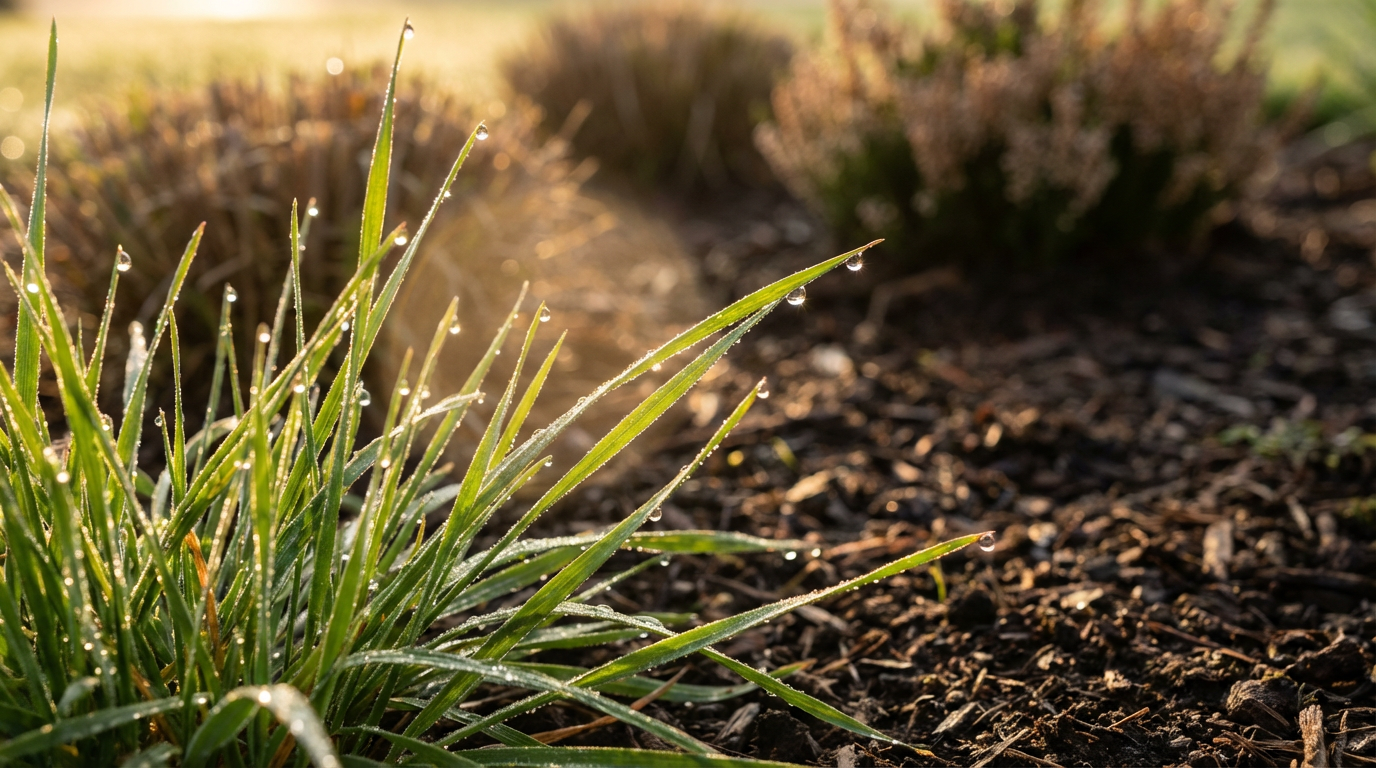
Another misconception is that clover lawns demand excessive maintenance. Clover is a hardy plant that requires less upkeep than traditional grass. It is drought-tolerant, meaning it thrives with minimal watering. Clover also enriches the soil with nitrogen, reducing the need for fertilization. Its natural resilience makes it an ideal low-maintenance option.
Easy Care Tips for Clover Lawns
- Water sparingly, only during prolonged dry spells.
- Mow less frequently to encourage growth.
- Avoid heavy foot traffic to prevent damage.

Myth 3: Clover Lawns Look Unkempt
Some people believe that clover lawns look unkempt compared to manicured grass lawns. On the contrary, clover provides a lush, green carpet that is visually appealing. Its small white or pink flowers add a touch of charm, creating a natural and inviting landscape. Clover’s uniform height and color contribute to a neat appearance.
Designing with Clover
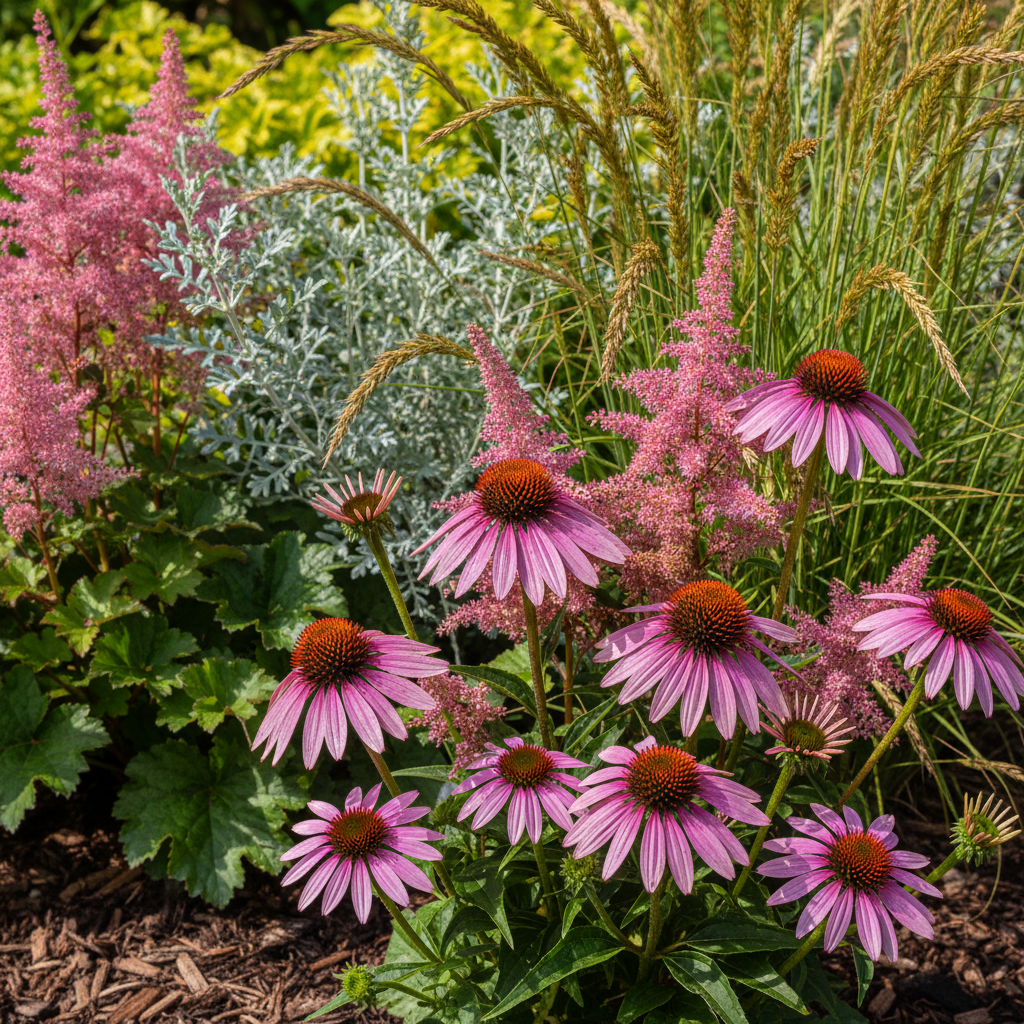
Consider mixing clover with other ground covers for a dynamic look. Combining clover with wildflowers or ornamental grasses can enhance your lawn's aesthetic appeal while promoting biodiversity.
Myth 4: Clover Lawns Are Short-Lived
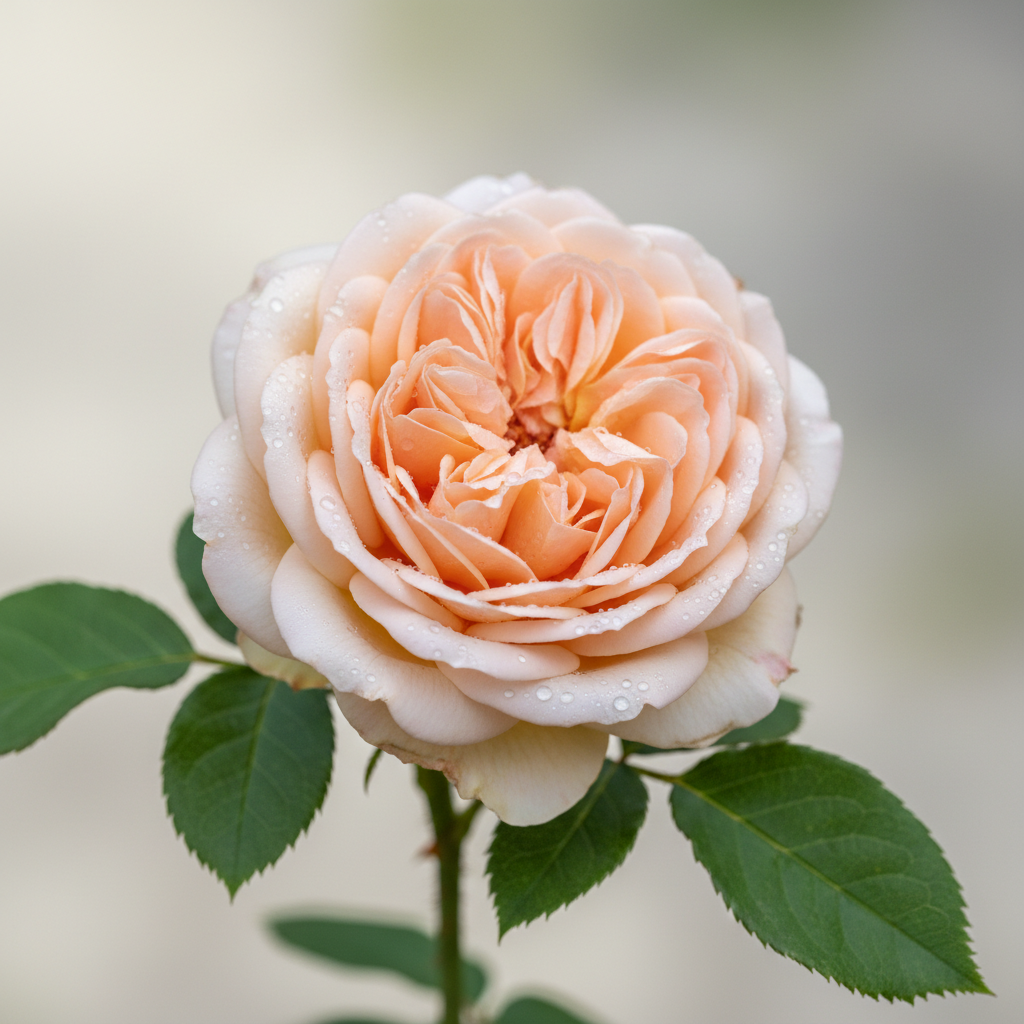
A common concern is that clover lawns do not last as long as traditional grass. In fact, clover is a perennial plant that can thrive for many years with the right care. Its ability to reseed itself ensures that it continues to grow and fill in bare spots over time. With minimal intervention, clover can provide a long-lasting, vibrant lawn.
Prolonging Clover Longevity
- Allow clover to flower and reseed naturally.
- Mix with other clover varieties for diversity.
- Practice seasonal overseeding to maintain density.
In conclusion, clover lawns offer numerous benefits, from low maintenance to ecological advantages. By understanding and debunking these myths, homeowners can make informed decisions about incorporating clover into their landscapes. Embrace the beauty and sustainability of clover lawns and enjoy a greener, healthier environment.