Common Misconceptions About Clover Lawns Debunked


Introduction to Clover Lawns
Clover lawns have been gaining popularity as an eco-friendly alternative to traditional grass lawns. However, despite their growing acceptance, several misconceptions persist about their maintenance, appearance, and benefits. This blog post aims to debunk these myths and provide clear, factual information about clover lawns.
Misconception 1: Clover Lawns Are High Maintenance
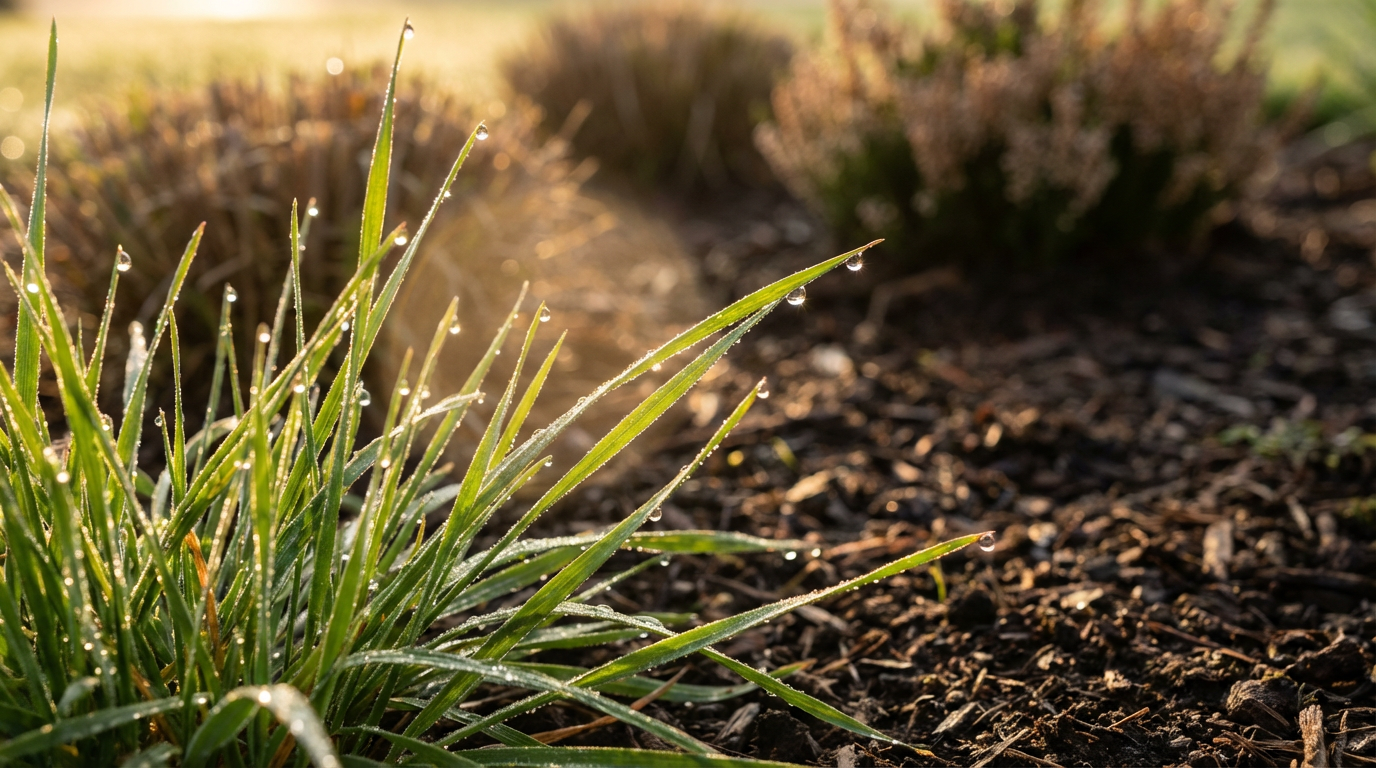
A common belief is that clover lawns require a lot of upkeep. On the contrary, clover is quite low maintenance compared to traditional grass. Clover requires less frequent mowing, as it grows slower and stays shorter than most grass species. Additionally, clover is drought-resistant and doesn't need as much water, making it a sustainable choice.
Watering Requirements
Unlike grass lawns that demand regular watering, especially in dry seasons, clover can thrive with minimal irrigation. This characteristic not only conserves water but also saves time and effort in lawn care.
Misconception 2: Clover Lawns Are Not Aesthetically Pleasing
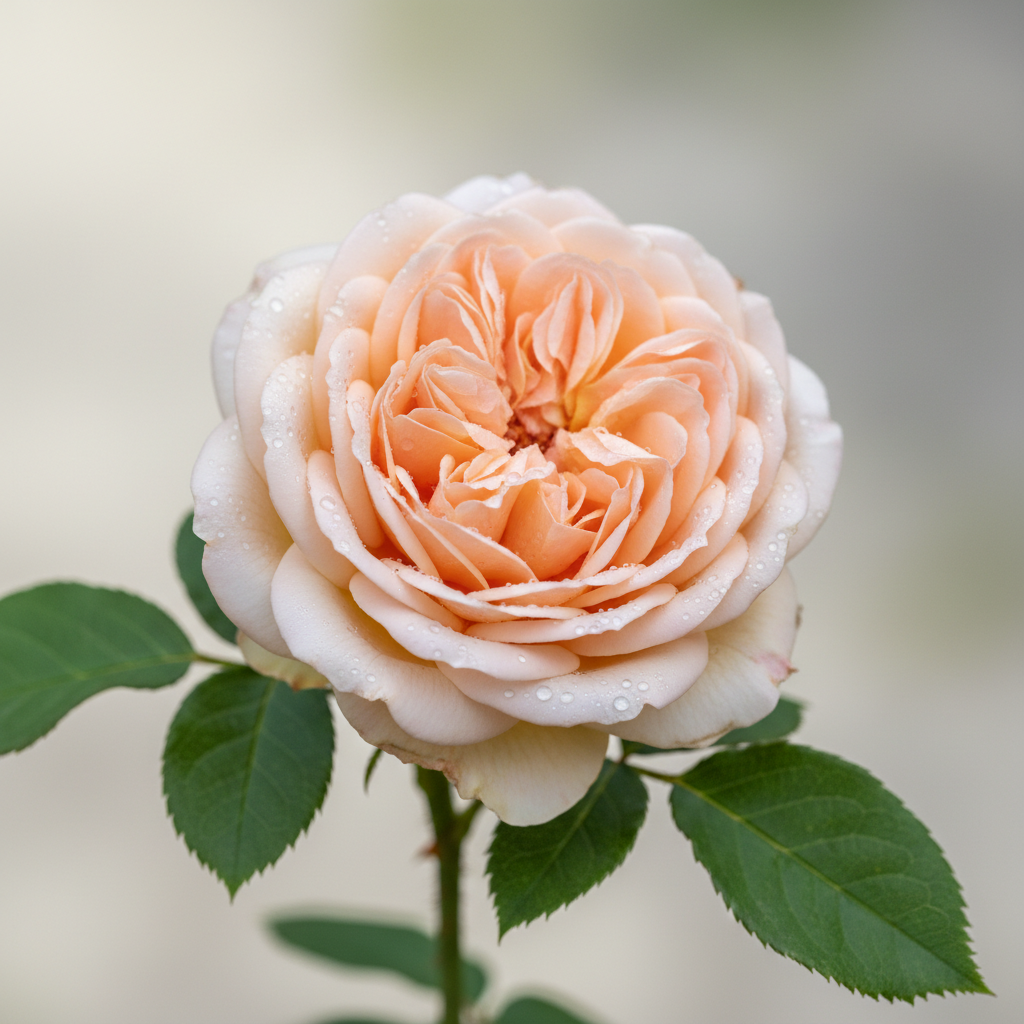
Some people assume that clover lawns lack the aesthetic appeal of traditional grass. However, clover offers a lush, green appearance with the added charm of small, white flowers. These blooms can attract pollinators, adding life and movement to your garden.
Varieties and Colors
Clover comes in different varieties, with some offering unique colors and textures. This diversity allows homeowners to customize their lawns to suit personal tastes, creating visually appealing landscapes.
Misconception 3: Clover Lawns Attract Pests
Many people worry that clover will attract pests to their lawns. In reality, clover can actually deter certain pests. It is known to naturally repel some insects due to its dense growth and ability to fix nitrogen in the soil, promoting healthier plants.
Beneficial Insects
Clover attracts beneficial insects like bees and butterflies, which are crucial for pollination. By supporting these pollinators, clover lawns contribute to a healthier ecosystem.

Misconception 4: Clover Lawns Are Invasive
There is a misconception that clover will overtake and invade other areas of the garden. While clover does spread, it is not considered invasive. Its growth is manageable and can be easily controlled with regular mowing and maintenance.
Integration with Other Plants
Clover can complement other plants in your garden, integrating well with native species. It enriches the soil with nitrogen, benefiting the surrounding plants and enhancing overall garden health.
Conclusion
Clover lawns offer an eco-friendly and aesthetically pleasing alternative to traditional grass lawns. By debunking these common misconceptions, we hope more homeowners will consider the advantages of clover, contributing to sustainable gardening practices.