Clover vs. Traditional Grass Lawns: A Comparative Guide


Introduction
When it comes to choosing the right ground cover for your yard, the debate between clover and traditional grass lawns is a common one. Each option offers unique benefits and drawbacks, and understanding these can help you make an informed decision for your home landscape.
Environmental Impact
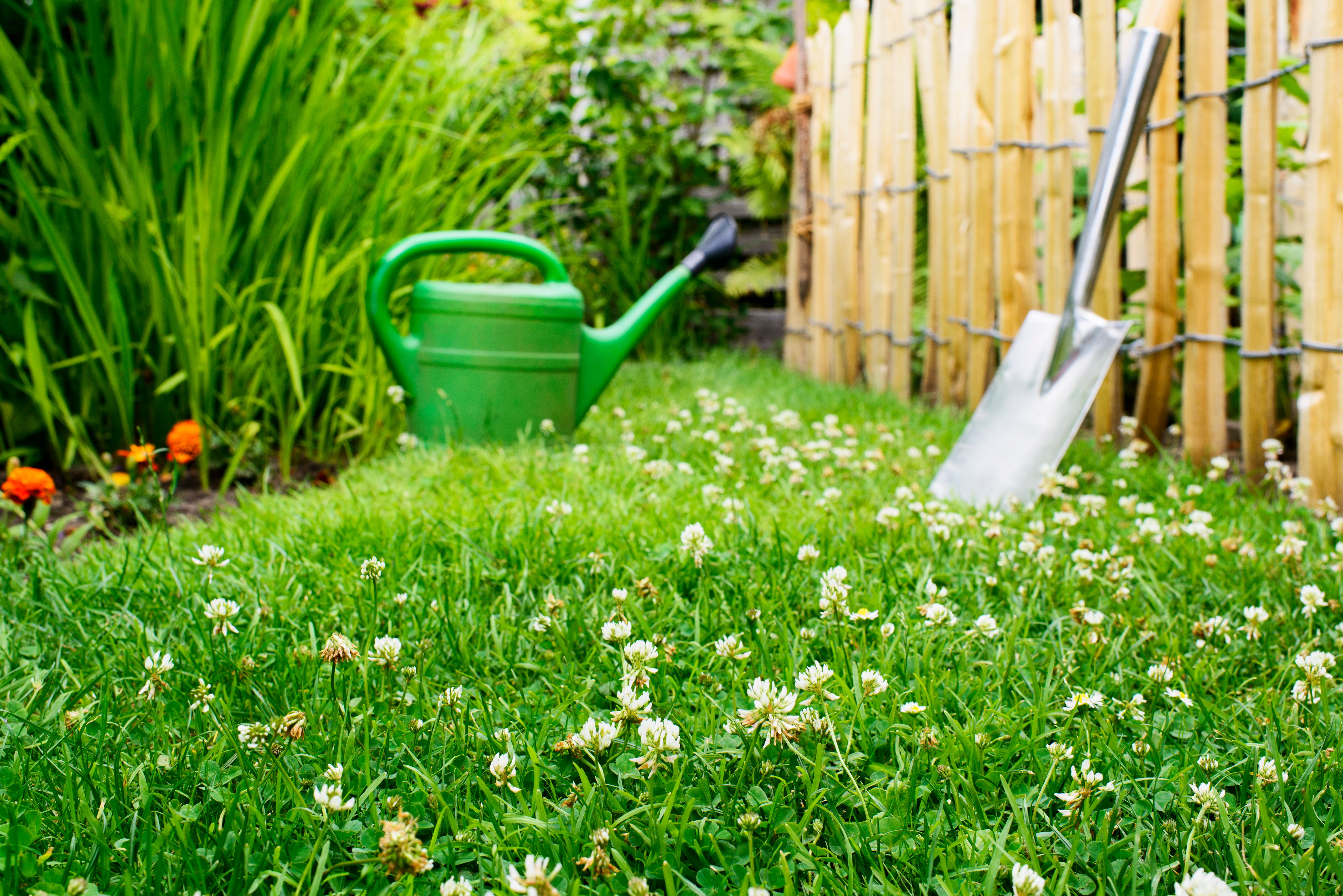
Clover lawns are often praised for their positive environmental impact. Clover, particularly white clover, is a nitrogen-fixing plant, which means it naturally enriches the soil without the need for chemical fertilizers. This can lead to healthier soil and reduced pollution from lawn chemicals.
In contrast, traditional grass lawns typically require more frequent fertilization, watering, and chemical treatments to maintain their lush appearance. This increased maintenance can contribute to water waste and chemical runoff into local waterways.
Maintenance Requirements
Clover lawns are generally low-maintenance. They require less frequent mowing than grass lawns and can thrive with minimal watering. This makes them an ideal choice for homeowners looking to reduce their yard work and water usage.
On the other hand, traditional grass lawns often demand regular mowing, watering, and fertilization. This can result in higher costs and more time spent maintaining your yard.
Cost Considerations
When it comes to cost, clover lawns can be a more economical choice. The reduced need for fertilizers, pesticides, and water can lead to significant savings over time. Additionally, clover seeds are generally inexpensive and easy to plant.
Grass lawns, while potentially more expensive due to maintenance needs, can offer a classic aesthetic that many homeowners find appealing, potentially increasing property value.
Aesthetic Appeal
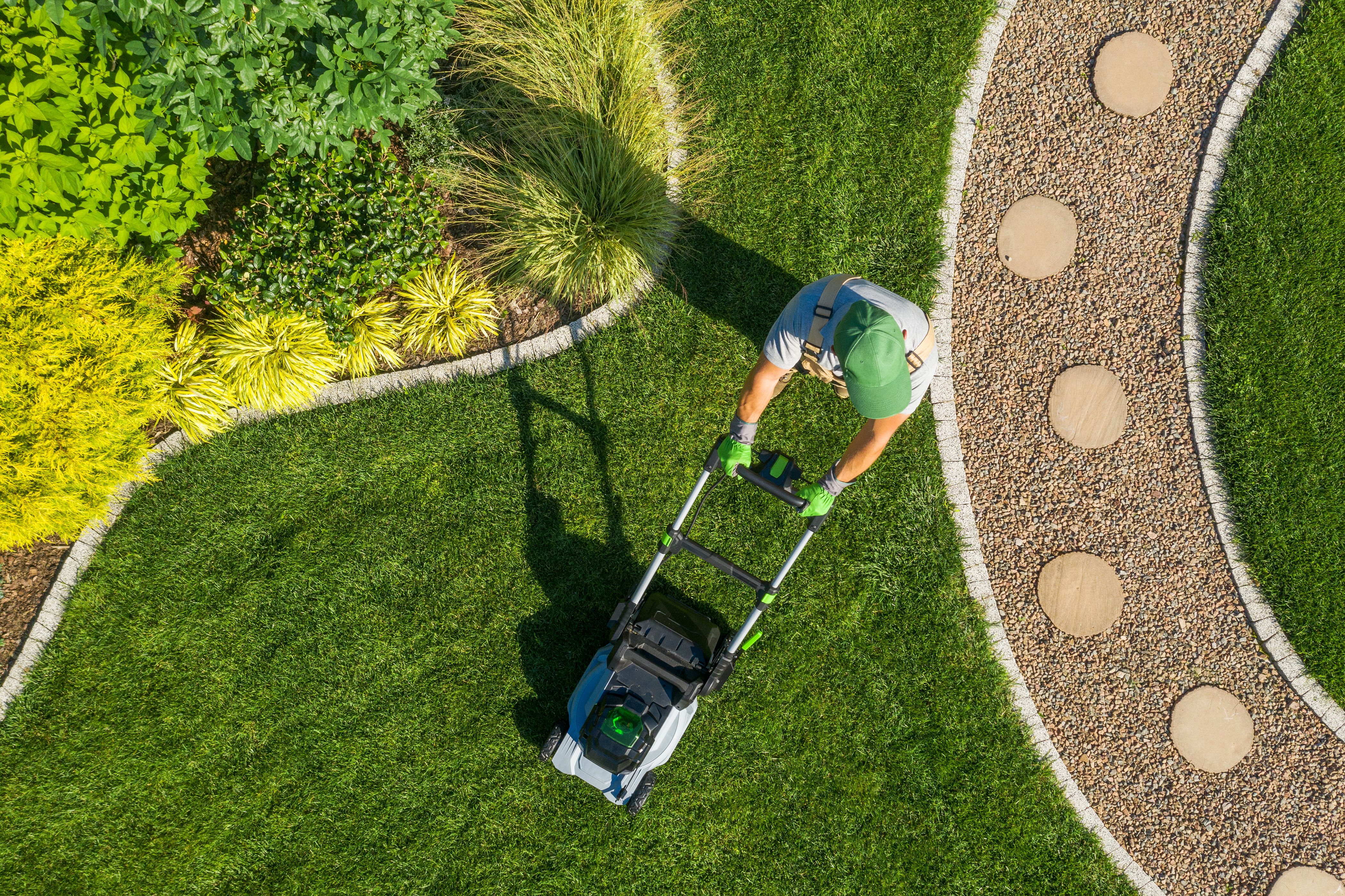
Both clover and grass lawns offer unique visual appeal. Clover provides a lush, green carpet with the added benefit of small, white flowers that attract pollinators like bees and butterflies. This can add a lively, natural beauty to your yard.
Traditional grass lawns offer a classic, uniform look that's often associated with well-maintained properties. They provide a soft surface for activities and are versatile for landscaping designs.
Durability and Use
Clover is generally more tolerant of foot traffic and can quickly recover from damage, making it a durable choice for active families and pets. However, it can become patchy in high-traffic areas over time.
Grass lawns can handle moderate foot traffic but may require more care to prevent wear and tear. Certain grass varieties, however, are bred to be more resilient and can withstand heavy use.
Conclusion
Choosing between a clover and a traditional grass lawn depends on your environmental priorities, aesthetic preferences, and maintenance willingness. Both options offer distinct advantages, and your choice should align with your lifestyle and values.
Ultimately, whether you opt for the eco-friendly benefits of clover or the classic look of grass, a well-maintained lawn can enhance the beauty and enjoyment of your outdoor space.