Clover Lawns: The Eco-Friendly Choice for Water Conservation


As water conservation becomes an increasingly important issue, many homeowners are exploring alternatives to traditional grass lawns. One such alternative is the clover lawn, a sustainable option that offers numerous environmental benefits. Clover lawns not only enhance the aesthetic appeal of your yard but also contribute significantly to water conservation efforts.
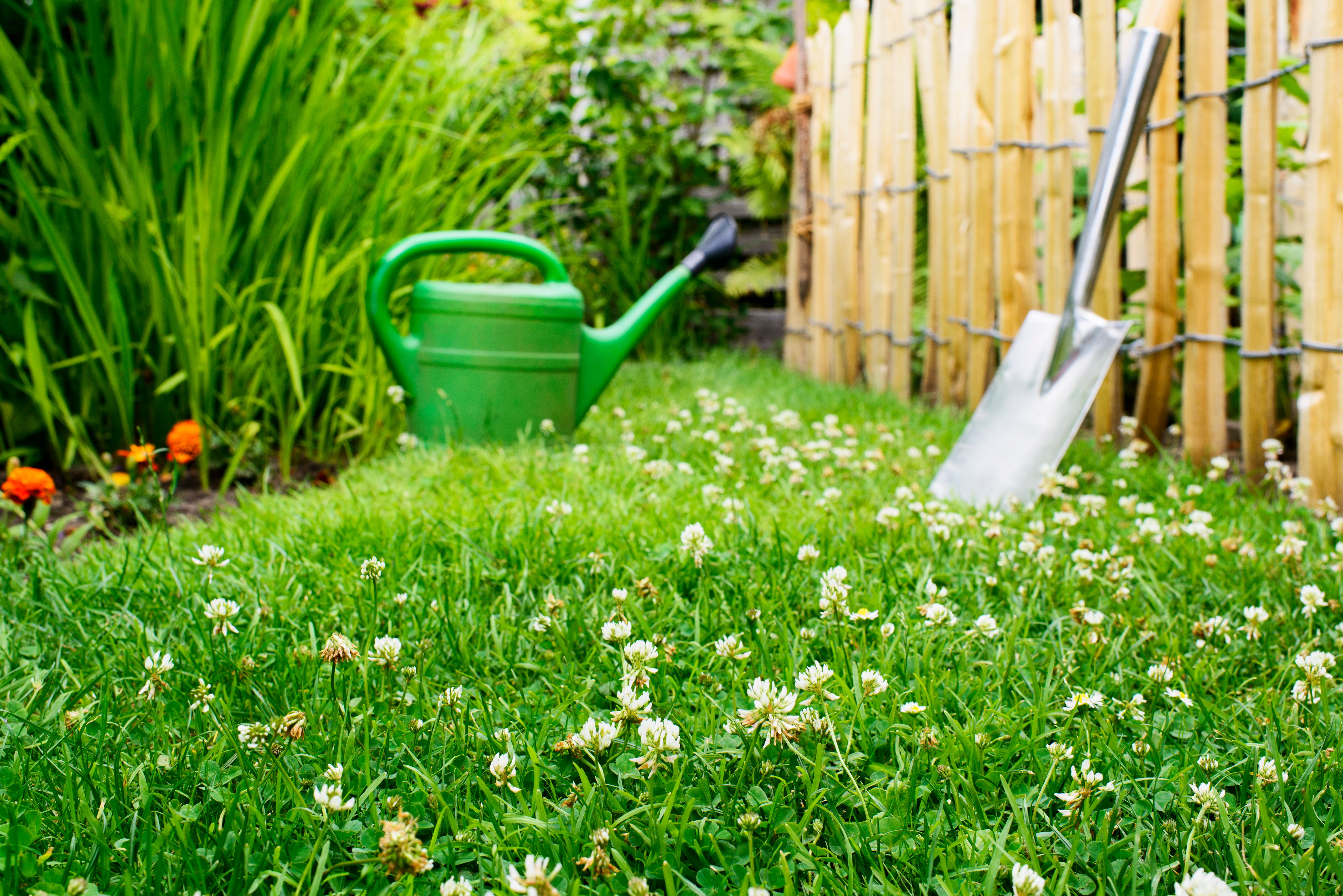
Why Choose Clover Lawns?
Clover lawns are gaining popularity due to their low maintenance and eco-friendly nature. Unlike traditional grass, clover requires less water, which is crucial in areas prone to drought or water restrictions. This makes it an ideal choice for environmentally conscious homeowners looking to reduce their water usage.
Moreover, clover is a hardy plant that can thrive in various soil conditions, making it a versatile option for different climates. Its deep root system allows it to access water more efficiently, further reducing the need for frequent watering.
Benefits of Clover Lawns
There are numerous advantages to planting clover in your yard. Some of the most notable benefits include:
- Water Conservation: Clover requires significantly less water than traditional grass, making it a sustainable choice.
- Nitrogen Fixation: Clover naturally enriches the soil by fixing nitrogen, reducing the need for chemical fertilizers.
- Pest Resistance: Clover is naturally resistant to many common lawn pests, reducing the need for pesticides.

Maintaining a Clover Lawn
One of the greatest advantages of a clover lawn is its low maintenance requirements. Clover does not need to be mowed as frequently as grass, allowing homeowners to save time and energy. Additionally, its lush green appearance remains vibrant throughout the growing season, providing a visually appealing lawn with minimal effort.
To establish a clover lawn, it is recommended to mix clover seeds with grass seeds. This combination provides a balanced appearance while ensuring the benefits of clover are maximized. Regular mowing can be reduced, and watering is only necessary during prolonged dry spells.
Environmental Impact
By choosing clover over traditional grass, homeowners can significantly reduce their carbon footprint. The reduced need for mowing means less fuel consumption and lower emissions, while the decrease in fertilizer and pesticide use contributes to healthier local ecosystems.

Clover lawns also support biodiversity by attracting pollinators such as bees and butterflies. This not only enhances the health of your garden but also supports local wildlife populations, contributing to a more balanced ecosystem.
Conclusion
Incorporating clover into your lawn is a simple yet effective way to contribute to water conservation and environmental sustainability. Its numerous benefits, from reduced water usage to enhanced soil health, make it an attractive option for any homeowner looking to make a positive environmental impact. By opting for a clover lawn, you are taking a step towards a greener, more sustainable future.