Clover Lawn Maintenance: Tips for Keeping Your Eco-Lawn Thriving


Understanding Clover Lawns
Clover lawns have gained popularity as an eco-friendly alternative to traditional grass lawns. Not only do they require less maintenance, but they also provide environmental benefits such as improved soil health and biodiversity. Clover, particularly white clover, is a resilient plant that can thrive in various conditions, making it a great choice for homeowners looking to reduce their lawn care efforts.
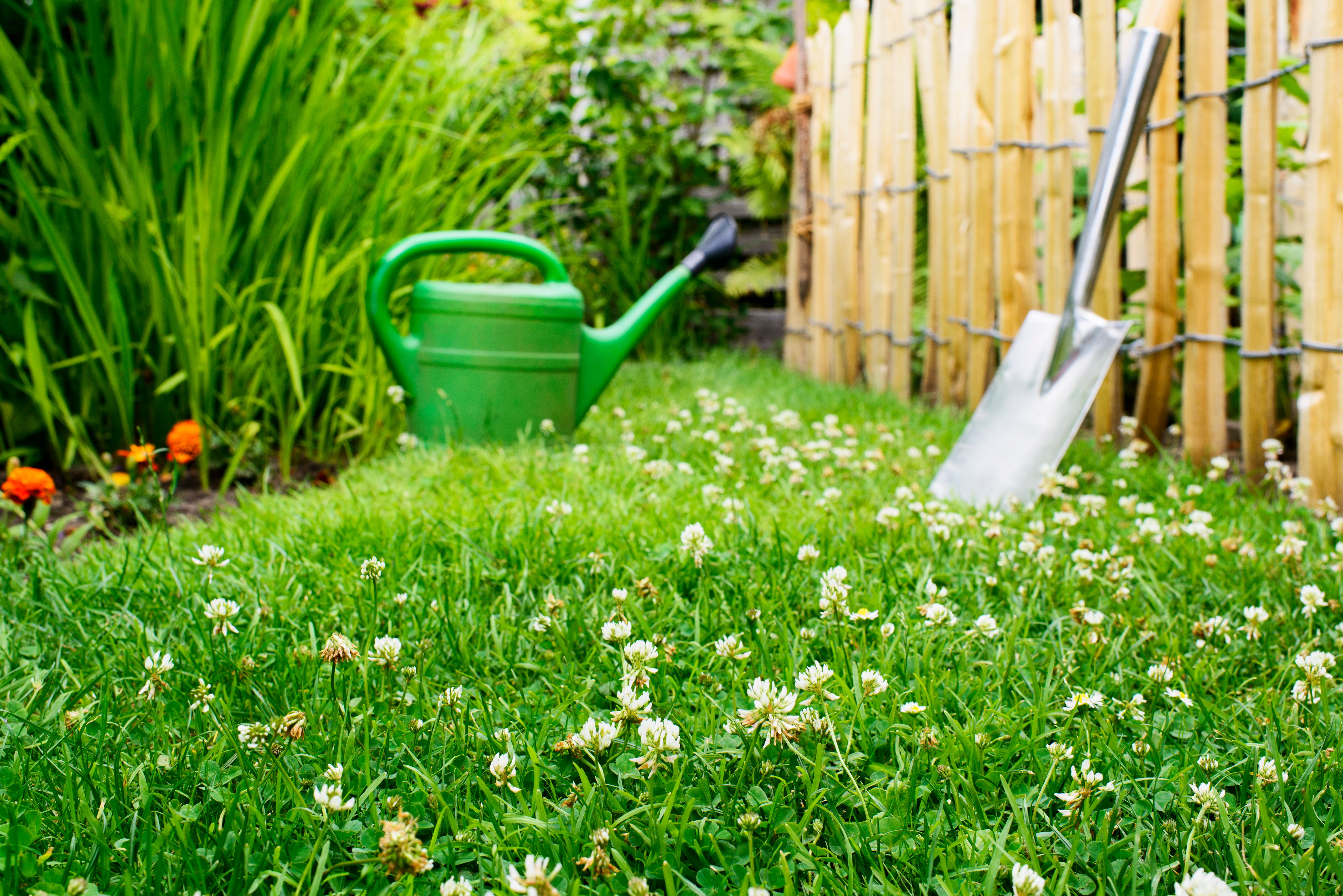
One of the primary advantages of clover lawns is their ability to fix nitrogen in the soil, reducing the need for chemical fertilizers. This natural fertilization helps keep your lawn lush and green with minimal intervention. Additionally, clover is drought-tolerant, which means it requires less water compared to traditional grasses.
Choosing the Right Clover
When establishing a clover lawn, selecting the appropriate type of clover is crucial. White clover is the most commonly used variety due to its low-growing habit and ability to blend well with grass. However, other types such as microclover can also be a great option for those who prefer a finer texture and smaller leaves.
Consider your climate and soil conditions when choosing clover. For instance, microclover is more suitable for cooler climates, while white clover can adapt to a wider range of conditions. Researching and selecting the right clover will ensure your lawn thrives throughout the year.
Planting and Establishment
Planting clover is a straightforward process. Begin by preparing the soil, ensuring it is free of weeds and debris. Clover seeds should be sown evenly across the lawn area. For best results, mix clover seed with soil and spread it using a lawn spreader.

Water the area lightly to encourage germination. Clover establishes quickly, usually within a few weeks. During this period, keep the soil consistently moist to promote root development. Once established, clover requires minimal watering, contributing to its sustainability as a lawn choice.
Maintaining Your Clover Lawn
One of the main benefits of a clover lawn is its low maintenance requirements. However, some care is necessary to keep it looking its best. Regular mowing is essential to maintain the desired height and prevent flowering if you prefer a more uniform appearance.
- Mow the lawn to about 3 inches high.
- Water sparingly, as clover is drought-resistant.
- Avoid harsh chemicals, as clover is sensitive to some herbicides.

To promote a dense and healthy lawn, consider overseeding with clover every couple of years. This helps fill in any bare spots and maintains the lawn's lush appearance.
Dealing with Pests and Diseases
Clover lawns are generally resistant to many common lawn pests and diseases. However, keeping an eye on potential issues is wise. Regular inspection can help catch any problems early, preventing them from spreading.
For pest control, natural methods such as introducing beneficial insects can be effective. Maintaining good lawn hygiene by removing debris and avoiding overwatering can also reduce disease risks.
Benefits of Clover Lawns
Beyond their aesthetic appeal, clover lawns offer numerous benefits. They support pollinators like bees, which are crucial for maintaining biodiversity. Clover’s ability to thrive with less water and no synthetic fertilizers makes it an environmentally sustainable choice.
By choosing a clover lawn, you're not only creating a beautiful outdoor space but also contributing positively to the environment. With minimal maintenance, you can enjoy a thriving, eco-friendly lawn for years to come.