Clover Lawn Maintenance: Tips for a Healthy and Vibrant Yard


Introduction to Clover Lawns
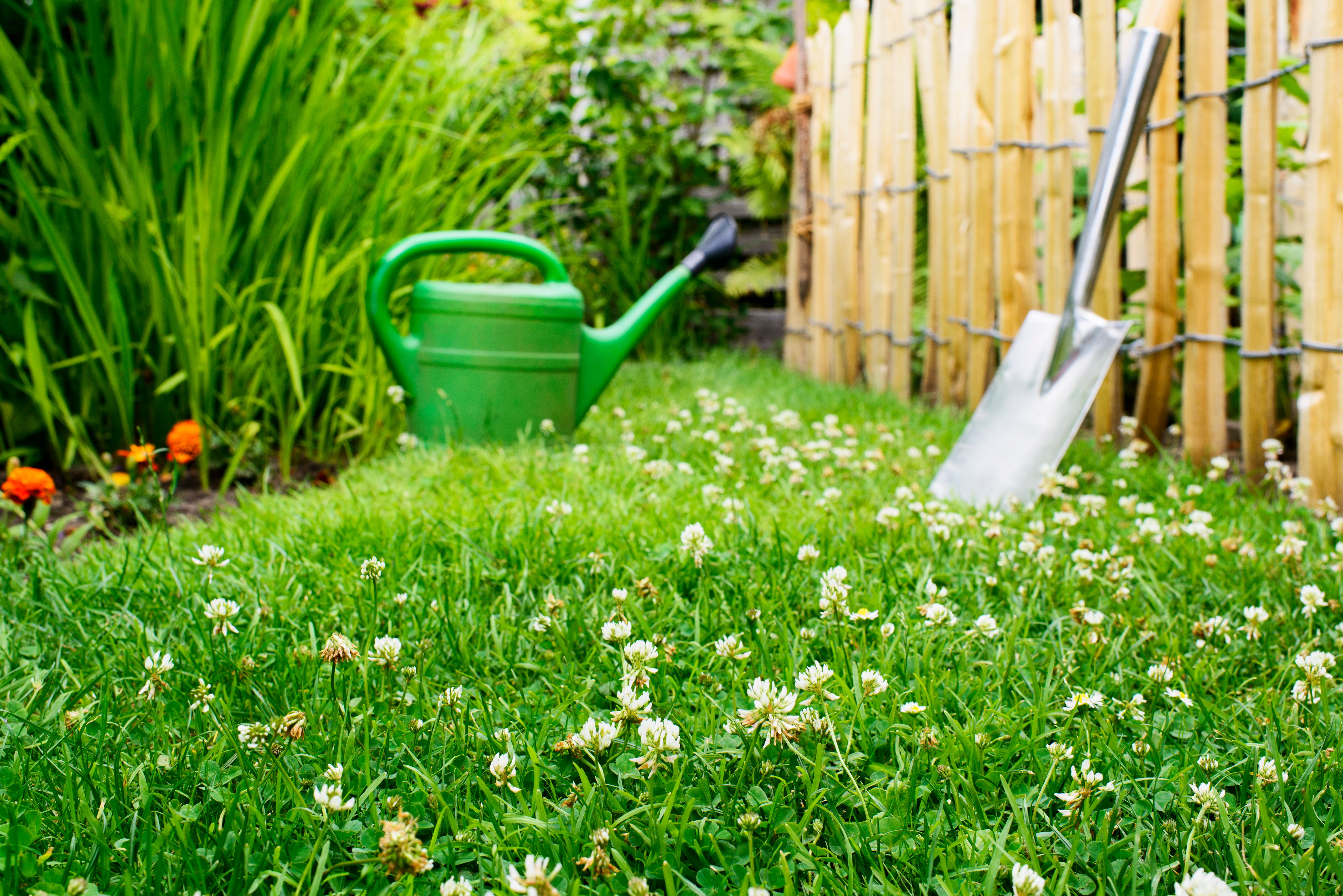
Clover lawns are becoming an increasingly popular choice for homeowners looking for a low-maintenance, eco-friendly alternative to traditional grass lawns. Clover provides a lush, green appearance and offers several benefits that make it an ideal choice for various climates and landscapes.
Not only does clover require less water and fertilizer than traditional grass, but it also attracts pollinators and improves soil health. In this blog, we'll explore tips for maintaining a healthy and vibrant clover lawn.
Why Choose Clover?
One of the main advantages of clover is its ability to thrive in poor soil conditions. Clover naturally fixes nitrogen in the soil, reducing the need for chemical fertilizers. This quality makes it a sustainable and environmentally friendly option.
Additionally, clover is drought-resistant and requires less frequent mowing. Its dense growth pattern helps to outcompete weeds, keeping your lawn looking pristine with minimal effort.
Benefits of Clover Lawns
- Low Maintenance: Requires less mowing and watering.
- Eco-Friendly: Reduces the need for fertilizers and pesticides.
- Attracts Pollinators: Supports bees and other beneficial insects.
Establishing Your Clover Lawn
Starting a clover lawn can be as simple as overseeding your existing grass lawn with clover seeds. Choose a clover variety that suits your climate and soil type. White clover is a popular choice for many regions due to its adaptability.
To begin, mow your existing lawn closely and rake away any debris. Spread the clover seeds evenly across the area, ensuring good soil contact. Lightly water the area to help the seeds establish.
Seeding Tips
- Choose the right clover variety for your region.
- Mow and prepare the lawn by removing debris.
- Distribute seeds evenly and water lightly.

Maintaining a Healthy Clover Lawn
Once established, clover lawns require minimal maintenance. Regular mowing, although less frequent than grass, will help maintain a tidy appearance. Set your mower to a higher setting to avoid cutting the clover too short.
Watering is generally only necessary during prolonged dry spells. Clover's deep root system helps it to access moisture, making it more drought-resistant than grass.
Pest and Weed Management
Clover naturally suppresses weeds, but occasional weeding might still be necessary. Avoid using broadleaf herbicides, as they can damage clover. Instead, focus on maintaining healthy soil and proper mowing practices to keep pests and weeds at bay.
Conclusion
Incorporating clover into your lawn can lead to a healthier, more sustainable yard with less effort and chemical intervention. By following these tips, you can enjoy a lush, green lawn that benefits both your home and the environment.
Whether you're looking to reduce your lawn maintenance or contribute to a healthier ecosystem, clover lawns offer a beautiful and practical solution. Consider making the switch and enjoy the numerous benefits that clover provides.