Clover Lawn Installation: A Step-by-Step Guide for Beginners


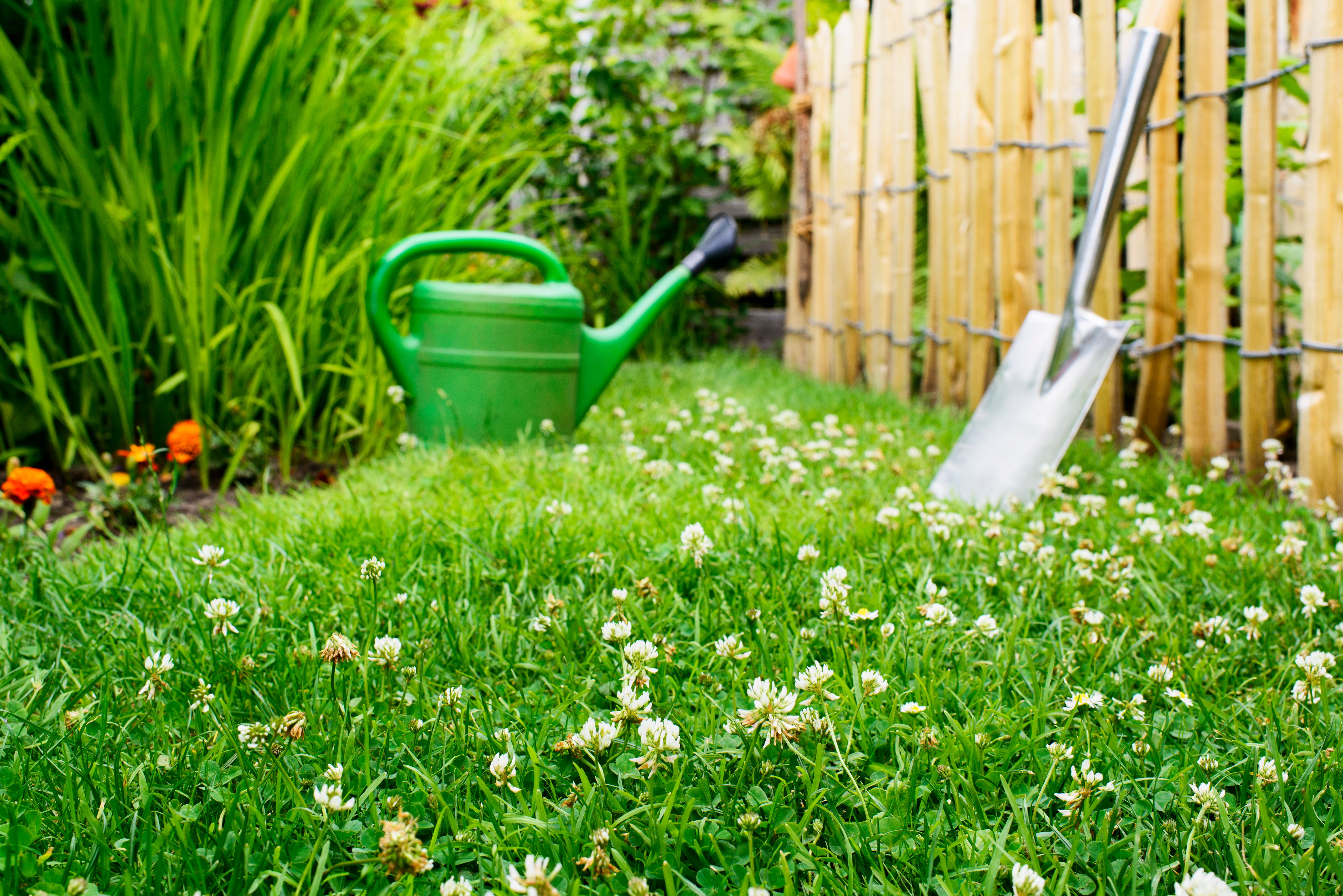
Transforming your yard into a lush, green space doesn't have to be a daunting task. Opting for a clover lawn offers a low-maintenance, eco-friendly alternative to traditional grass. If you're new to gardening, this step-by-step guide will help you install a clover lawn successfully.
Why Choose Clover?
Clover is an excellent choice for those looking to reduce lawn maintenance. It requires less mowing, watering, and fertilizing compared to traditional grass. Additionally, clover is drought-tolerant and naturally enriches the soil with nitrogen, which benefits surrounding plants.
Moreover, clover is resilient and can withstand foot traffic, making it ideal for families and pet owners. Its soft texture and vibrant green color can enhance the aesthetic appeal of your yard.
Preparing Your Lawn
Remove Existing Grass
Before sowing clover, it's essential to remove the existing grass and weeds. You can do this by using a sod cutter or by applying an organic herbicide. This step ensures that the clover seeds have a clean slate to germinate.
Test and Amend the Soil
Testing your soil’s pH level is crucial, as clover thrives in a slightly acidic to neutral pH (6.0-7.0). You can purchase a soil testing kit from your local garden store. If needed, amend the soil with lime to increase the pH or sulfur to decrease it.

Planting Clover Seeds
Select the Right Clover Variety
Common clover varieties include White Dutch, Microclover, and Red Clover. White Dutch is popular for lawns due to its low growth and ability to spread quickly. Consider your climate and lawn needs when selecting the type of clover to plant.
Sow the Seeds
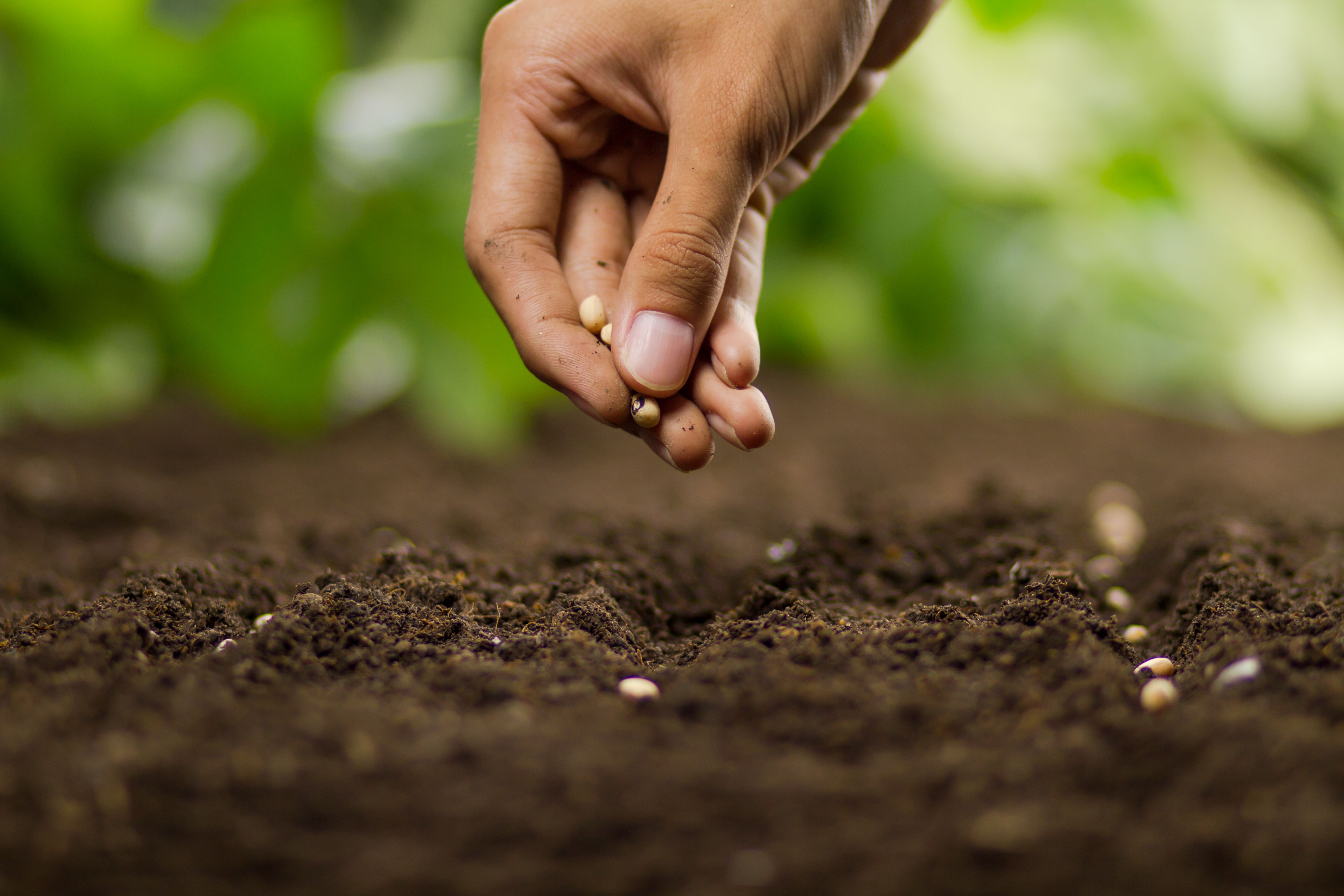
Spring or early fall is the best time to sow clover seeds. Scatter the seeds evenly across the lawn using a seed spreader. For best results, mix clover seeds with sand to ensure even distribution. Lightly rake the area afterward to cover the seeds with a thin layer of soil.
Maintaining Your Clover Lawn
Watering and Fertilizing
Water the lawn lightly immediately after sowing and keep the soil consistently moist until the clover is established. Clover typically requires less water than grass, so once established, you can reduce the frequency of watering.
Clover naturally fertilizes itself, reducing the need for additional fertilizers. If you choose to fertilize, opt for a low-nitrogen fertilizer to avoid overwhelming the clover.
Mowing and Weeding
Clover lawns require minimal mowing. Mow the lawn to a height of 3 inches to encourage density and control weeds. Regular mowing can also prevent the clover from flowering if you prefer a more uniform look.
Embrace the Benefits
By installing a clover lawn, you’re not only creating a beautiful and sustainable landscape, but you’re also contributing to a more eco-friendly environment. Enjoy the benefits of reduced maintenance, improved soil health, and a lush, green yard with your new clover lawn.